Daylight Saving Time Begins
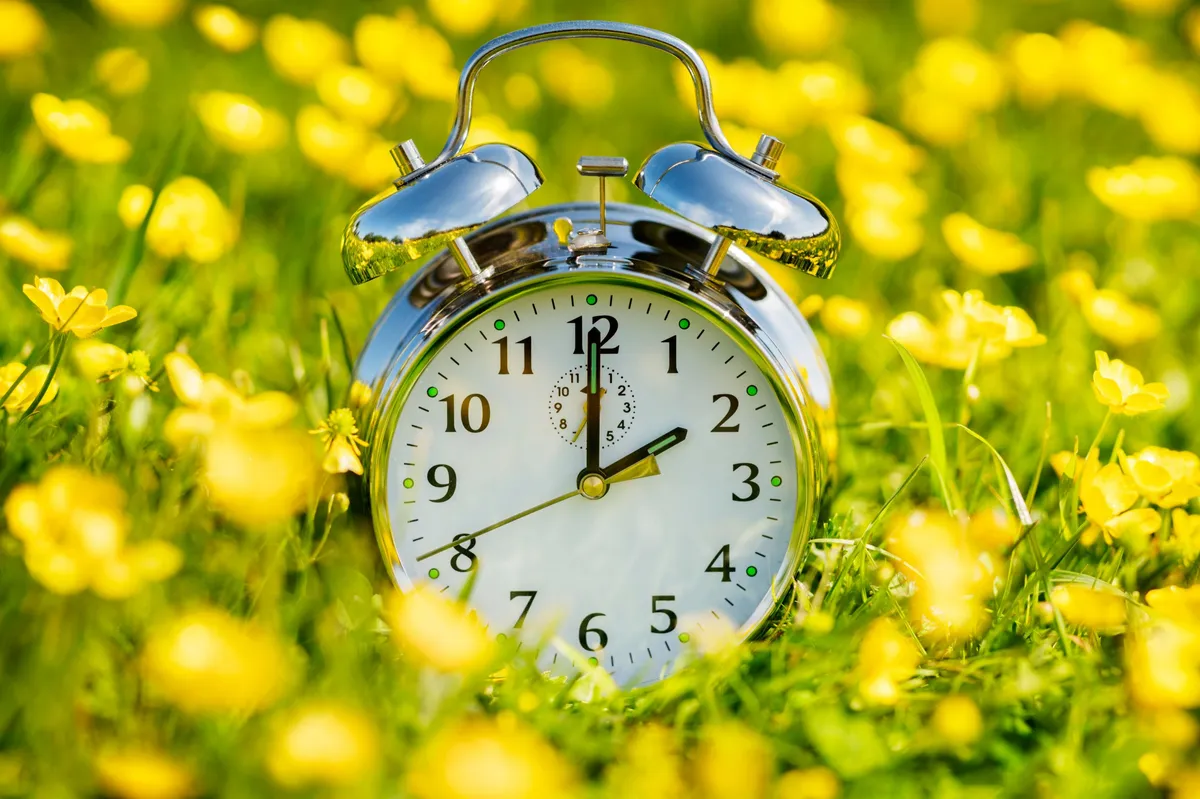
Daylight Saving Time for 2026 is set to commence on Sunday, March 8, at 2 a.m. local time in most parts of the United States. This annual event signifies the moment when clocks spring forward, resulting in most Americans losing an hour of sleep.
The practice of daylight saving time was first adopted in the U.S. in 1918 during World War I, aimed at conserving fuel. Since then, the start date for daylight saving time has shifted, and since 2007, it has been standardized to the second Sunday in March.
Duration and Impact
In 2026, daylight saving time will be in effect for a total of 238 days, concluding on the first Sunday of November, which falls on November 1. This extended period is designed to make better use of daylight during the longer days of summer.
Exceptions to the Rule
Notably, only two states in the U.S., Hawaii and Arizona (excluding the Navajo Nation), do not observe daylight saving time. This means that residents in these states will not experience the clock change, maintaining their standard time year-round.
International Comparisons
In the United Kingdom, clocks will go forward at 1 a.m. on the last Sunday in March, which in 2026 will be March 29. This difference in timing highlights how various regions adapt their timekeeping practices to suit local needs.
Public Perception and Future Considerations
Looking Ahead
As the date draws nearer, observers will be keen to see if any changes to the current daylight saving time legislation will be proposed or enacted. Details remain unconfirmed regarding potential shifts in policy or public opinion on this time-honored tradition.