Mojtaba Khamenei Appointed as Supreme Leader of Iran
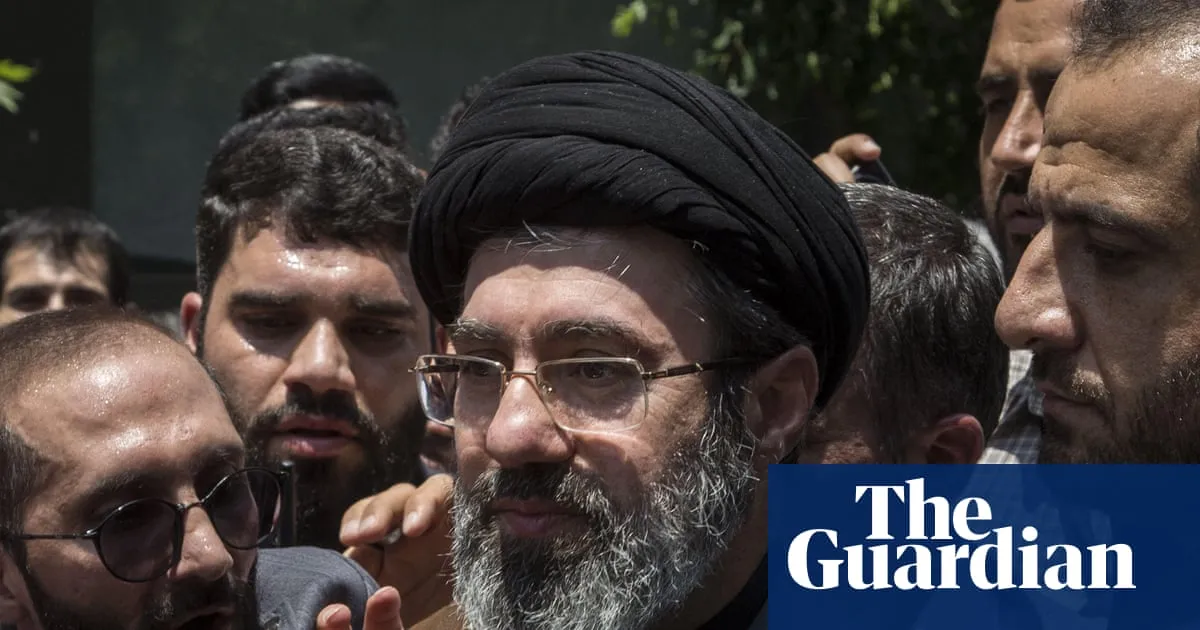
What does the appointment of Mojtaba Khamenei as Iran’s Supreme Leader signify for the country’s future? This transition marks a significant moment in Iranian history, as Mojtaba Khamenei has been chosen to succeed his father, Ali Khamenei, who was killed in a US-Israeli strike on February 28, 2026.
Mojtaba Khamenei’s ascension to this powerful position is particularly notable as it is the first time since the 1979 Islamic revolution that the supreme leadership has passed from father to son. Despite his familial ties to the previous leader, Mojtaba Khamenei has never held elected office or formally occupied a senior position within Iran’s government. His appointment was announced by the clerical body responsible for selecting Iran’s highest authority, the 88-member Assembly of Experts.
Throughout his life, Mojtaba Khamenei has remained largely out of public view, yet he has cultivated close relationships with conservative clerics and the Islamic Revolutionary Guard Corps (IRGC). His leadership is expected to continue the ideological line established by Ayatollah Ruhollah Khomeini, the founder of the Islamic Republic. Analysts suggest that he is likely to adopt his father’s positions regarding the United States and Israel, leading to expectations of a confrontational approach.
The geopolitical landscape surrounding Mojtaba Khamenei’s leadership is fraught with tension. Following the assassination of his father, Iran is poised to navigate a significant crisis. The IRGC has already threatened to attack oil facilities in neighboring countries amid escalating conflict, indicating a potentially volatile period ahead. Furthermore, US President Donald Trump has stated that Iran’s next supreme leader would not last long without his approval, adding another layer of complexity to the situation.
As the new Supreme Leader, Mojtaba Khamenei faces the challenge of consolidating power while addressing the internal and external pressures facing Iran. His leadership will be closely monitored both domestically and internationally, as the Iranian populace and global powers assess his ability to steer the country through this tumultuous time.
While the future remains uncertain, Mojtaba Khamenei’s appointment is a pivotal moment for Iran, marking a continuation of a legacy that has shaped the nation for decades. Details remain unconfirmed regarding how his leadership will unfold, but the implications of his rise to power are already being felt across the region.
In summary, Mojtaba Khamenei’s appointment as Supreme Leader represents not only a familial succession but also a critical juncture for Iran as it grapples with both internal dynamics and external threats.