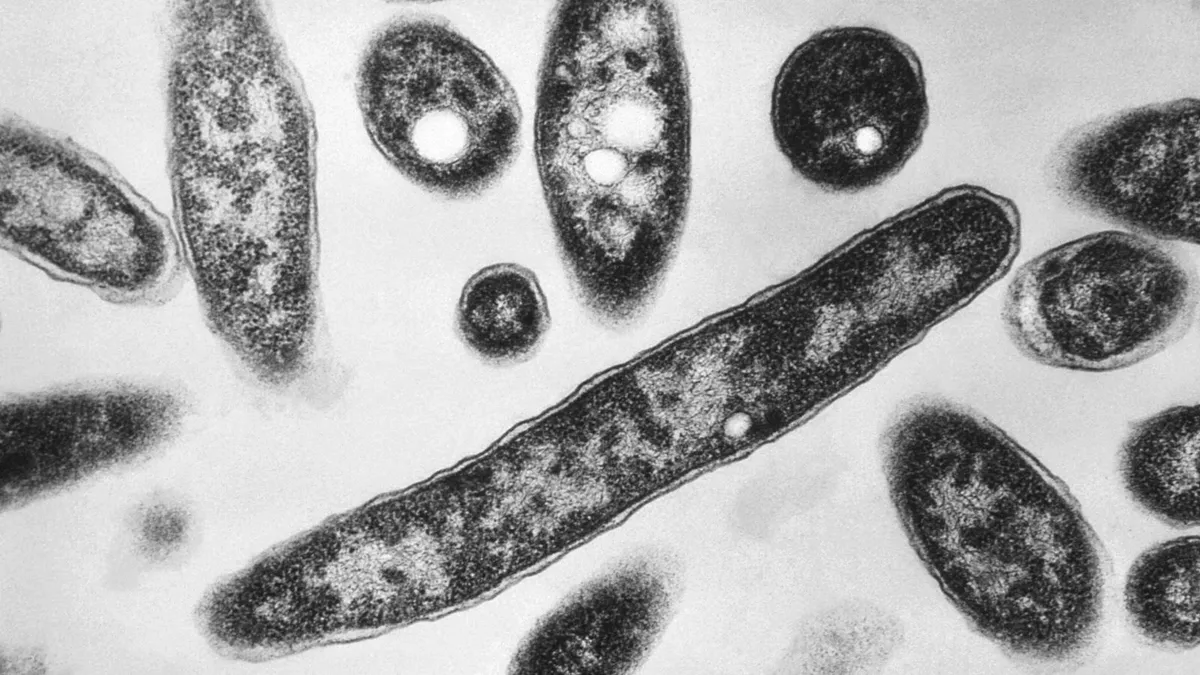
Background on Legionnaires’ Disease
Legionnaires’ disease is a severe form of pneumonia caused by the inhalation of tiny droplets of water that contain Legionella bacteria. This bacterium is widely distributed in the environment, particularly in large water systems within buildings. If these systems are not properly maintained, the bacteria can multiply, posing a risk to individuals who may come into contact with contaminated water.
The disease is not typically transmitted from person to person, and the overall risk to public health is considered low. Symptoms often resemble those of flu, including muscle aches, tiredness, headaches, dry cough, and fever. Treatment usually involves antibiotics, which are effective in managing the illness.
Current Investigation in London
Recently, specialists from the UK’s Health Security Agency (UKHSA) have launched an investigation into a cluster of Legionnaires’ disease cases linked to north and southwest London. As of now, a common source for these infections has not yet been confirmed. Janice Lo from the UKHSA stated, “At this stage, a common source has not yet been confirmed, but we are undertaking further investigations, with partners, that will provide us with more information.” This indicates that health officials are actively working to identify the source of the outbreak.
The investigation comes amid heightened awareness of Legionnaires’ disease, particularly following incidents earlier this year. Notably, in 2023, asylum seekers were removed from the Bibby Stockholm barge in Dorset after Legionella bacteria was discovered in the vessel’s water system. Such events have raised concerns about water safety and the potential for outbreaks in various settings.
Legionnaires’ disease has been a public health concern for decades, with notable incidents in the past highlighting its severity. For instance, in 2019, two British holidaymakers tragically died from the disease after staying at the same hotel in Bulgaria. These cases underscore the importance of vigilant monitoring and maintenance of water systems to prevent the proliferation of Legionella bacteria.
As the investigation in London continues, health officials are likely to increase their outreach and communication efforts to ensure that the public is informed about the risks and symptoms associated with Legionnaires’ disease. Observers are closely monitoring the situation, as any new developments could significantly impact public health strategies in the region.
Details remain unconfirmed regarding the specific sources and circumstances of the current cases, but the UKHSA’s proactive approach aims to mitigate any potential risks to the community. The agency’s ongoing collaboration with local partners will be crucial in addressing this emerging health concern.