Recent Developments
On March 10, 2026, oil prices experienced a notable decline, falling to approximately $91.70 a barrel following remarks from former President Donald Trump, who suggested that the Iran war could conclude “very soon.” This statement has prompted market reactions, with Brent crude previously surging to a high of $119.50 a barrel before retreating below the $90 mark.
The Strait of Hormuz, a critical passage for global oil and gas transport, sees about a fifth of the world’s oil and seaborne gas tankers. Trump’s comments have led to a temporary lift in sanctions on certain oil-producing countries, aimed at stabilizing energy prices amidst ongoing tensions.
Geopolitical Context
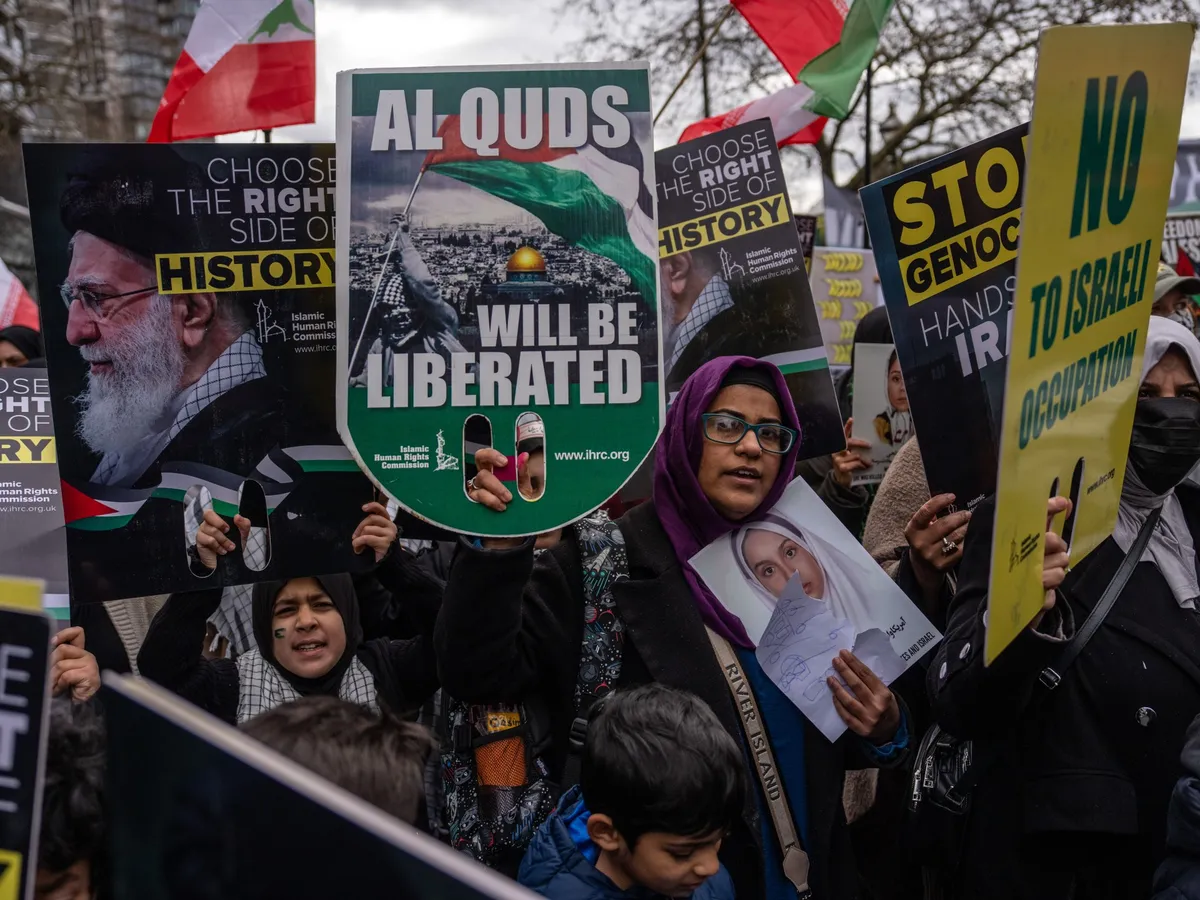
The backdrop to these developments includes the US and Israel’s joint military strikes on Iran, initiated on February 28, 2026. Iran has responded with threats to halt oil exports entirely if attacks continue, stating it would not allow “one litre of oil” to be exported.
Market analysts warn that if the Strait of Hormuz remains closed for an extended period, crude oil prices could escalate to $150 or even $200 a barrel. The conflict has already caused significant disruptions in global energy markets, with predictions suggesting oil prices could stabilize at around $135 a barrel if the conflict persists for four months.
In response to Trump’s comments, the FTSE 100 index opened higher by approximately 1.4%, reflecting investor optimism regarding a potential resolution to the conflict. However, the overall impact on global energy supplies remains uncertain, particularly given the ongoing Israeli strikes on Iranian oil facilities.
Trump has asserted that the US has “already won in many ways” in its conflict with Iran, but the long-term ramifications of the war on global oil prices and energy security are still unclear. Details remain unconfirmed regarding which specific countries will benefit from the sanctions relief announced by Trump.
As the situation evolves, the international community continues to monitor the potential for further escalation and its implications for global energy markets.