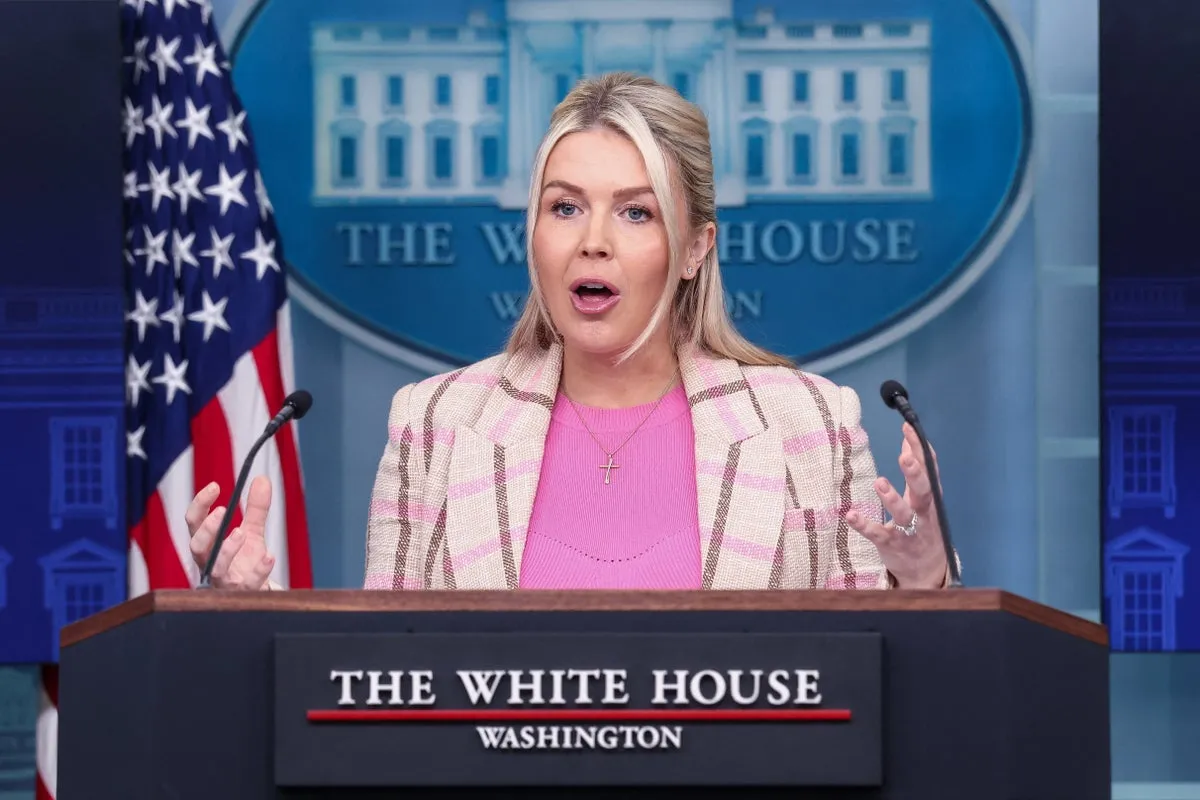
Karoline Leavitt Addresses Gas Prices Amid Iran Conflict
On March 10, 2026, Karoline Leavitt, the White House Press Secretary, stated that the recent surge in gas prices is a temporary phenomenon, attributing it to the ongoing military conflict with Iran. As of March 8, gas prices had climbed to an average of $3.54 per gallon, marking a 19 percent increase from the previous day, while California motorists are facing prices as high as $5.20 per gallon.
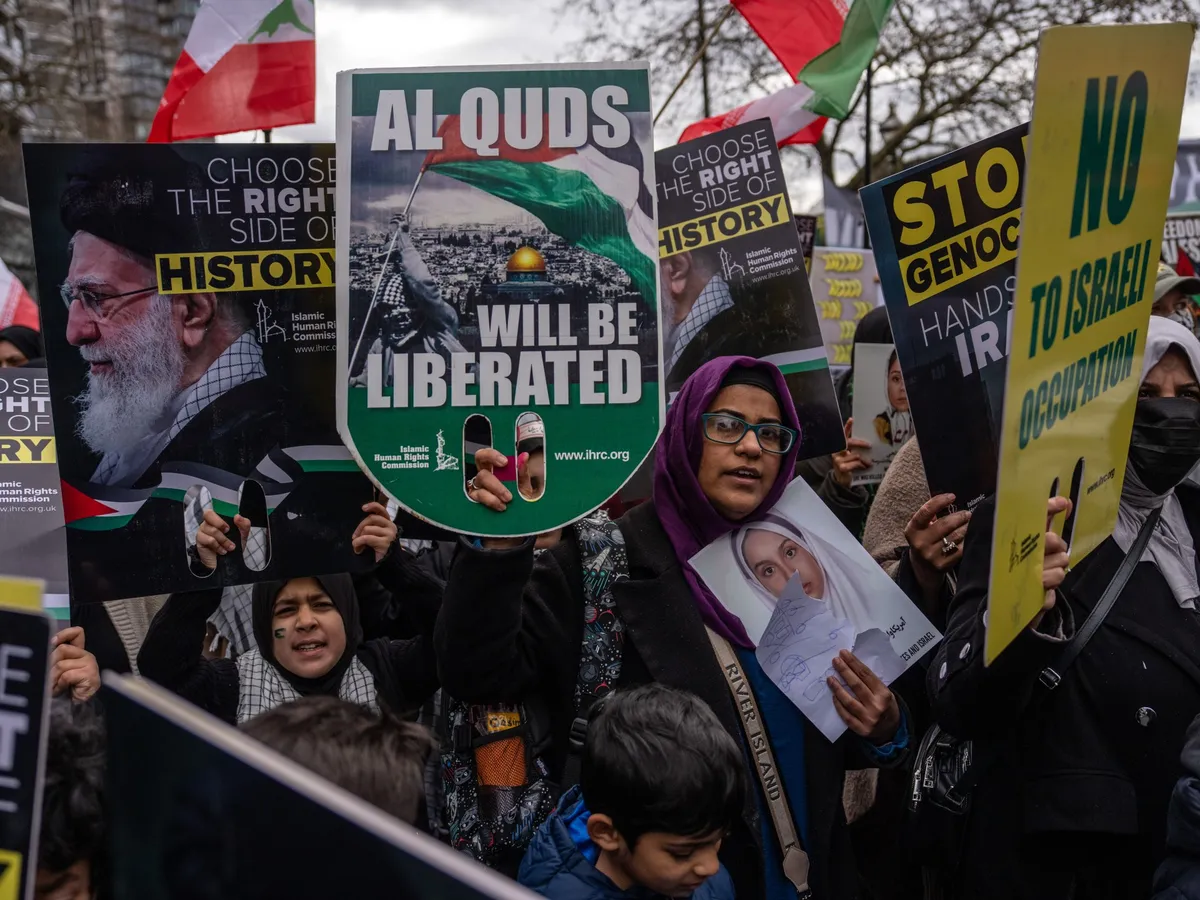
Leavitt emphasized that the ongoing war with Iran, which has seen American and Israeli warplanes conducting bombing campaigns, would ultimately lead to lower gas prices in the long term. “The ongoing war with Iran would ‘result in lower gas prices in the long term,'” she asserted, suggesting that the current spikes are a short-term issue.
On March 7, 2026, gas prices had already reached an average of $3.48 per gallon, reflecting a 17 percent increase. This surge in prices is largely attributed to disruptions in the flow of crude oil from the Persian Gulf, particularly due to Iran’s threats to shipping in the strategically vital Strait of Hormuz.
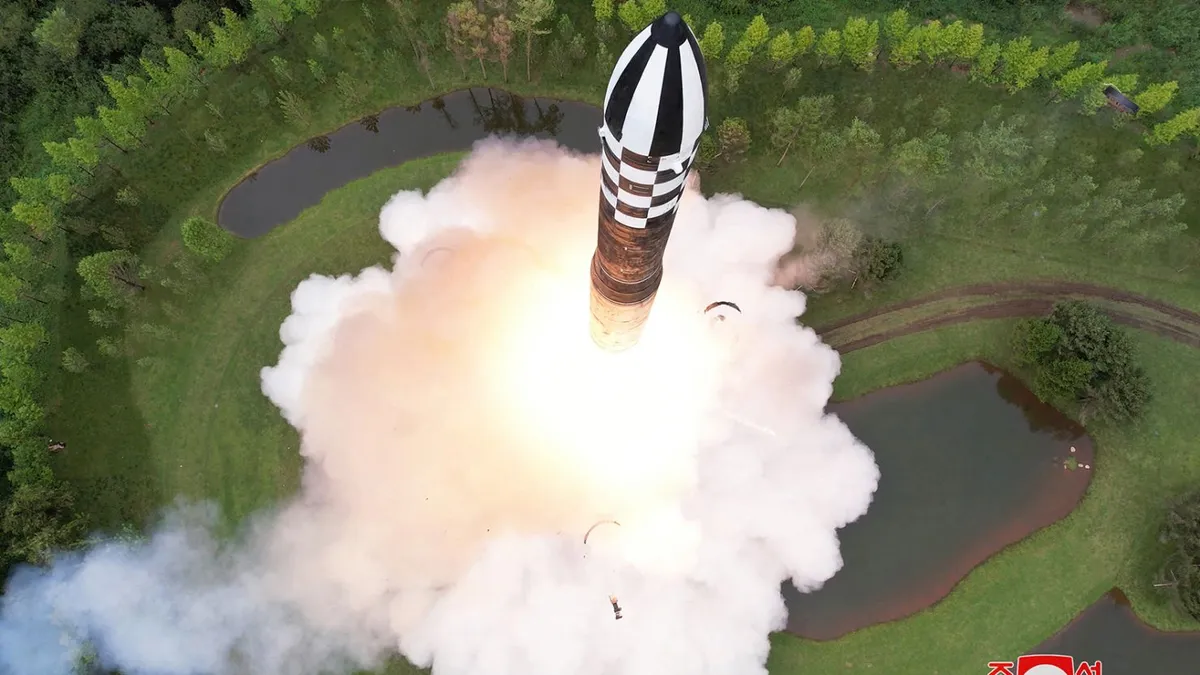
Oil prices have soared beyond $100 per barrel as a result of these disruptions, prompting the Trump administration to offer insurance for tankers attempting to navigate the Strait of Hormuz. Leavitt reiterated President Trump’s strong stance on the matter, stating, “The Military consequences to Iran will be at a level never seen before,” highlighting the administration’s commitment to maintaining freedom of navigation in the region.
Leavitt also mentioned that the U.S. military is actively drawing up options to ensure the Strait of Hormuz remains open, a crucial passage for global oil shipments. “The President and his energy team are closely watching the markets, speaking with industry leaders, and the US military is drawing up additional options to continue keeping the Strait of Hormuz open,” she noted.
The U.S.-Israeli war on Iran has undoubtedly had significant implications for American consumers, with rising gas prices affecting households across the nation. In contrast, motorists in Kansas are currently paying an average of $2.92 per gallon, illustrating the regional disparities in fuel costs.
As the situation evolves, observers are keenly awaiting further developments regarding the conflict and its impact on the energy market. While Leavitt’s statements provide some reassurance about future price stability, details remain unconfirmed regarding the timeline for any potential decreases in gas prices as the military objectives of Operation Epic Fury are pursued.