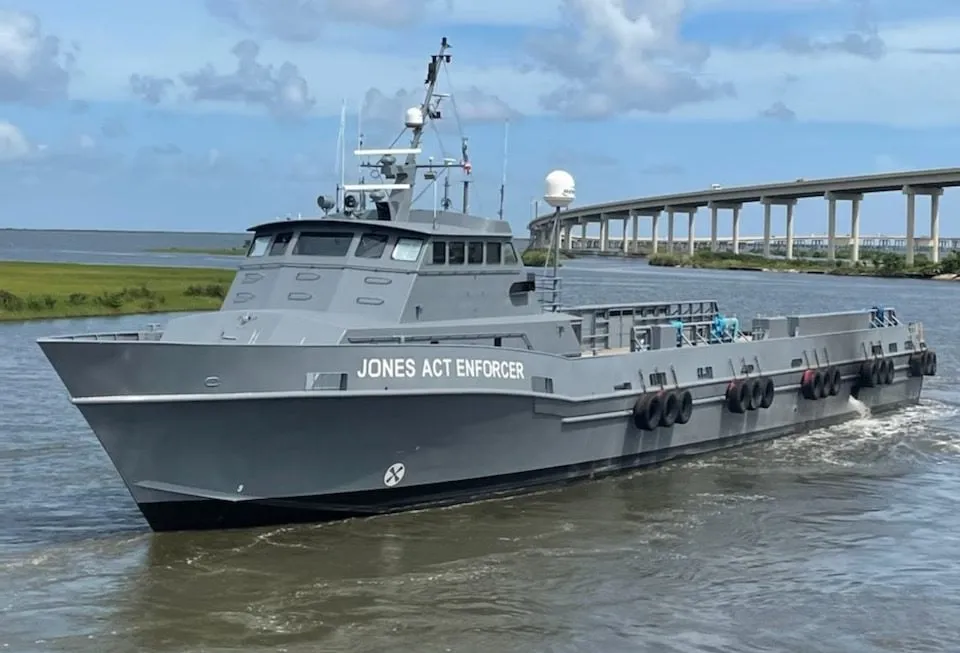
Before recent developments, there were growing concerns regarding US demands for British military involvement in the Middle East, particularly in keeping shipping lanes open. Many anticipated that the UK would align closely with US military strategies, potentially escalating its role in the region.
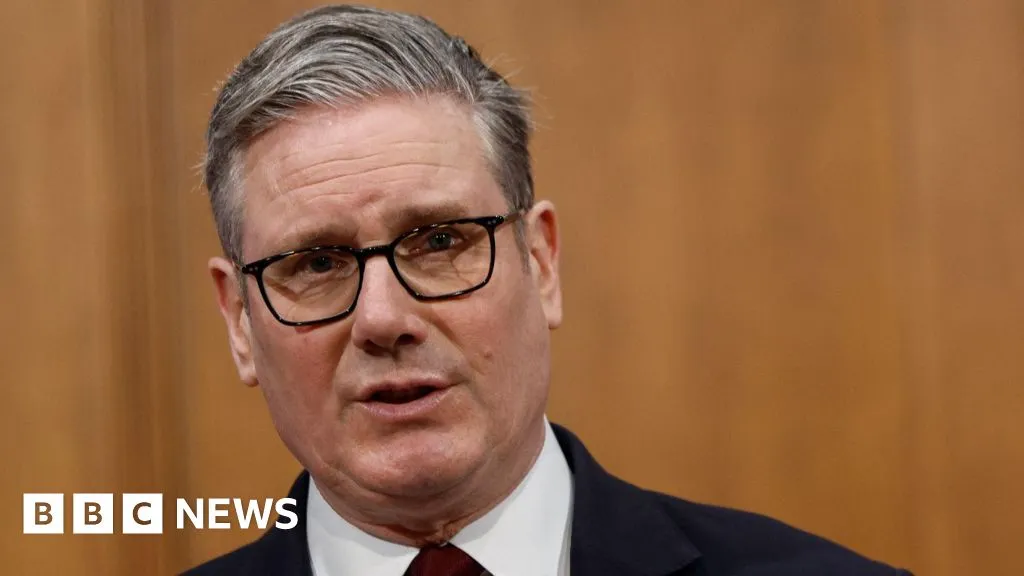
However, on March 16, 2026, Keir Starmer made a decisive statement, asserting that the UK will not be drawn into the wider war in the Middle East. He emphasized the importance of de-escalation, stating, “We will not be drawn into the wider war.” This marked a significant shift in the UK’s foreign policy approach.
Starmer’s announcement included immediate measures to support UK households, particularly those reliant on heating oil amid rising costs. He revealed a £53 million government support package aimed at assisting these households, indicating a direct response to the cost of living crisis exacerbated by international tensions.
In addition to financial support, Starmer highlighted the need for targeted assistance for lower-income households facing energy bill increases. He noted, “The best way, though, to do this is to de-escalate and reduce the conflict, because that is the most effective way to deal with the cost of living.” This approach contrasts sharply with the expectations of increased military involvement.
Starmer also mentioned that the UK is collaborating with allies to develop a viable plan to reopen shipping lanes in the Strait of Hormuz, showcasing a commitment to diplomatic solutions over military action. He stated, “I want to see an end to this war as quickly as possible, because the longer it goes on, the more dangerous the situation becomes.”
Moreover, Starmer’s discussions with Donald Trump regarding the situation in the Middle East further illustrate the delicate balance he seeks to maintain between international relations and domestic priorities.
Experts have noted that Starmer’s decision not to join the initial US offensive aligns with principles shared by the British public, reflecting a cautious approach to foreign entanglements. This strategy may resonate with voters who are increasingly concerned about the implications of military involvement abroad.
Starmer also stressed the necessity for the UK to invest in renewable energy sources to gain control over its energy supply, stating, “We should go further and faster in relation to renewables.” This focus on sustainability is part of a broader strategy to address both immediate and long-term energy challenges.
As the situation evolves, the implications of Starmer’s decisions will likely continue to unfold, impacting both UK foreign policy and domestic economic conditions. Details remain unconfirmed regarding the full extent of the UK’s future involvement in the Middle East.