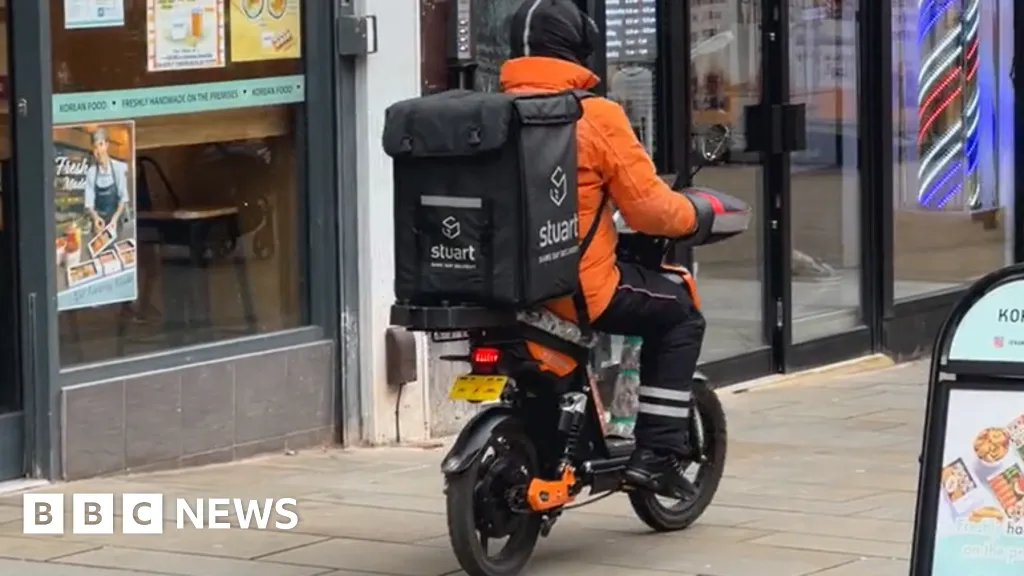
The landscape of delivery services in the UK is evolving, with rapid grocery delivery gaining significant awareness among consumers. Currently, 67% of British adults report having heard of these services, indicating a growing recognition of their potential. However, despite this awareness, actual usage remains limited, with only 13% of users utilizing rapid grocery delivery services less than once a month.
Most rapid delivery orders are relatively small, as 31% of users typically spend between £20 and £29.99 per order. This trend reflects a focus on purchasing everyday essentials, with 65% of users opting for items like milk, bread, and eggs through these services. Such patterns highlight the convenience these services offer for routine shopping needs.
Despite the apparent benefits, several barriers hinder broader adoption of rapid grocery delivery. A significant 47% of respondents believe that these services are not necessary for regular shopping, while 40% cite high delivery fees as a deterrent. These factors contribute to the limited frequency of use, even among those who are aware of the options available.
Major players in the market, such as Amazon and Tesco, are actively expanding their rapid delivery offerings. Amazon has launched Amazon Now, providing grocery deliveries in approximately 30 minutes in select areas of London. Meanwhile, Tesco has expanded its Whoosh service, which can deliver from stores in as little as 20 minutes, reaching over 70% of UK households.
The ongoing developments in the delivery sector reflect a broader trend towards convenience in consumer shopping habits. However, the challenges of necessity and cost remain significant hurdles that companies must address to enhance adoption rates.
As the market evolves, the future of rapid grocery delivery in the UK remains uncertain. Companies will need to navigate these barriers effectively to increase usage and meet consumer demands. Further developments in service offerings and pricing strategies are expected as businesses seek to capitalize on the growing awareness of delivery services.
In summary, while rapid grocery delivery services are becoming more recognized in the UK, their actual usage is constrained by various factors. The market’s evolution will depend on how well these challenges are addressed in the coming months and years.