How it unfolded
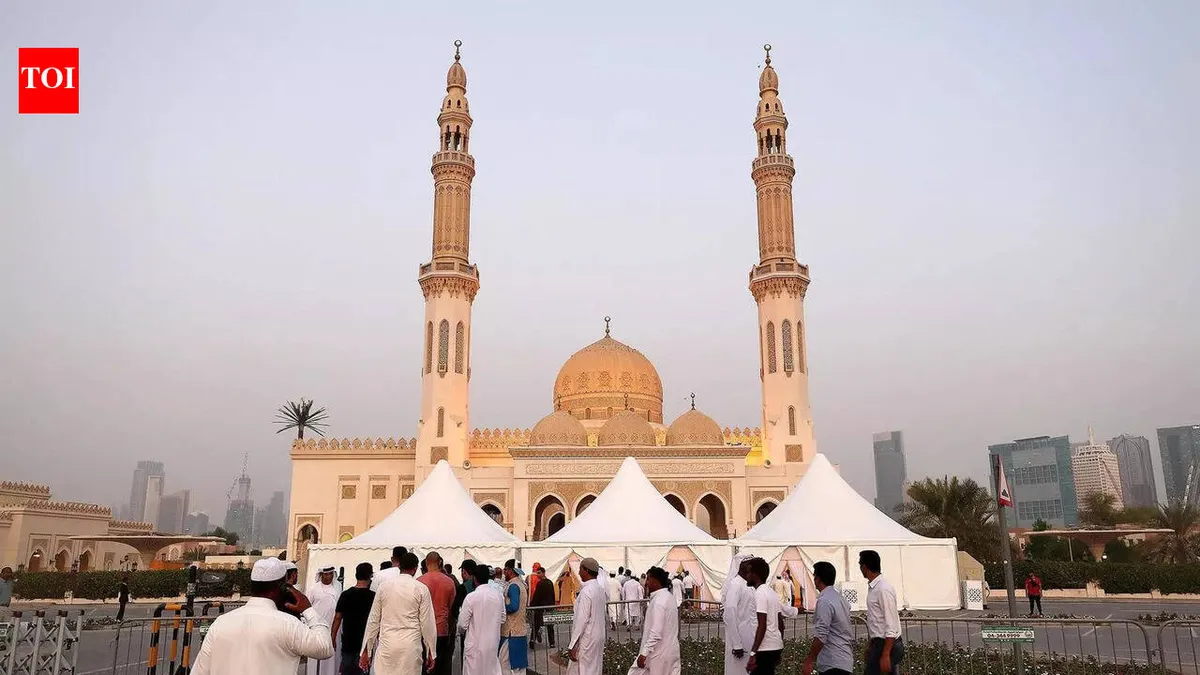
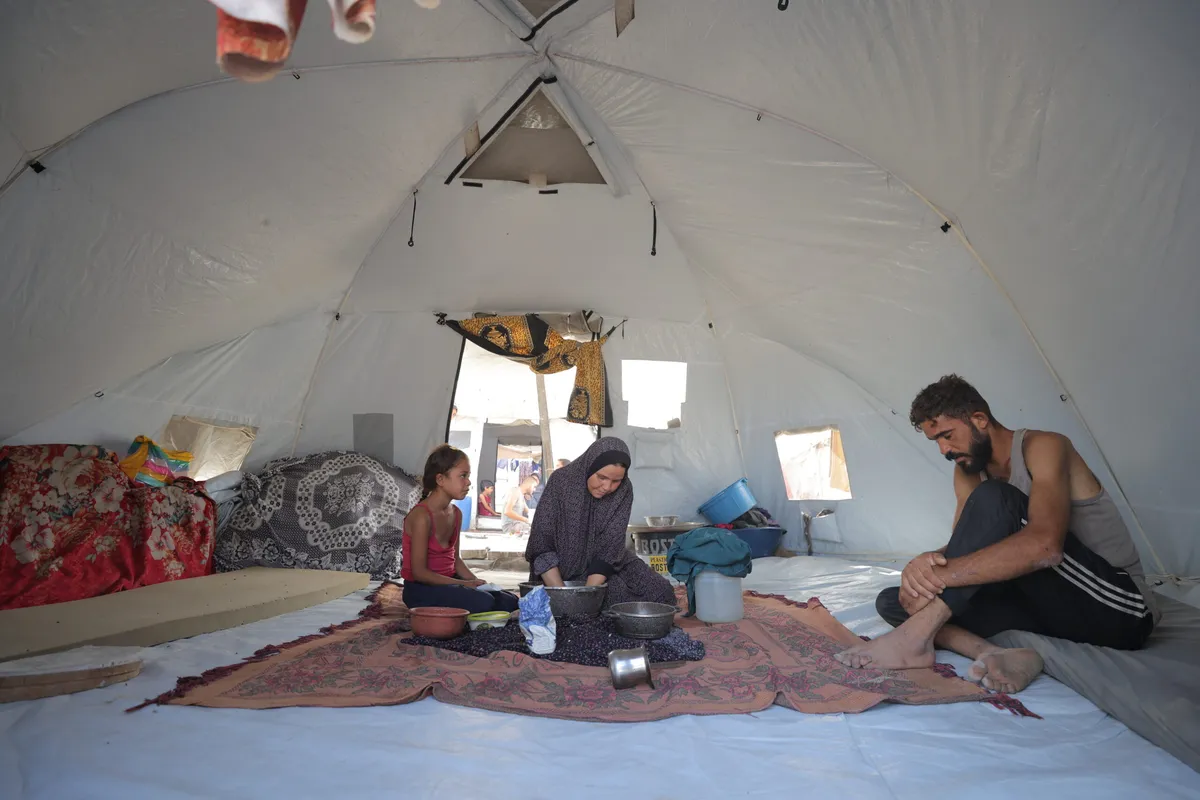
As Ramadan approached in 2026, the atmosphere in Gaza was markedly different from previous years. This year marked the first Ramadan since a ceasefire was established, allowing families to observe the holy month without the constant sound of bombardment. An Islamic Relief aid worker noted, “This year we fast without the sound of bombardment. That alone changes everything.” This shift has provided a glimmer of hope for many families in the region.
During this sacred month, many families in Gaza rely heavily on food parcels and shared hot meals. Islamic Relief has been at the forefront of these efforts, distributing fresh vegetables and essential food items to those in need. The organization recognizes that the majority of families in Gaza continue to depend on such aid, especially during Ramadan when communal meals hold significant cultural and spiritual importance.
The humanitarian situation in the Middle East remains dire, with ongoing conflicts leading to a staggering $1 billion a day cost. Currently, 19 million people are internally displaced across the region, highlighting the urgent need for support. Islamic Relief’s initiatives, particularly during Ramadan, aim to alleviate some of this burden, providing essential resources to those most affected.
In addition to Islamic Relief’s efforts, the International Organization for Migration (IOM) has launched the “Share the Blessings” campaign, which aims to support over 600,000 people in Gaza. Annabel Turner, a communications officer at IOM, emphasized the importance of Zakat in these efforts, stating, “Zakat provides a structured system of support that can quickly reach those most affected.” This structured approach is vital in ensuring that aid is delivered efficiently and effectively.
Islamic Relief Canada has also played a crucial role, raising an impressive 33.87 million Canadian dollars in Zakat funds in 2025. These funds are instrumental in sustaining the ongoing humanitarian efforts in Gaza, particularly during Ramadan when the demand for assistance peaks. The UN estimates that $4.06 billion is required to deliver life-saving support to 3 million people in the Occupied Palestinian Territory in 2026, underscoring the scale of the crisis.
Healthcare remains another critical area of concern. The Syrian American Medical Society (SAMS) supports over 65 healthcare facilities across Syria, delivering more than three million medical services in 2025. Dr. Abdulfatah Elshaar, chairman of SAMS Foundation, highlighted the importance of accessible healthcare, stating, “Access to free healthcare removes one of the largest financial burdens vulnerable families face.” This sentiment resonates deeply in Gaza, where the healthcare system has been severely strained by ongoing conflicts.
As Ramadan progresses, the efforts of organizations like Islamic Relief, IOM, and SAMS are more crucial than ever. Volunteers, such as Mazin from Shambat, express a deep sense of purpose in their work, believing that their contributions are not just about providing food but also about fostering community and resilience. “We believe our rizq – our provision from God – actually comes from the guests of the kitchen, because their prayers bring us ease and success,” he shared, reflecting the spirit of giving that characterizes Ramadan.
As the situation evolves, the commitment of these organizations to support the people of Gaza remains steadfast. The combination of local and international efforts during this holy month highlights the importance of solidarity and compassion in the face of adversity. The ongoing humanitarian crisis in the region necessitates continued support and awareness, ensuring that those in need receive the assistance they require to survive and thrive.