The identity of Banksy, the elusive street artist known for his provocative works, has long been a topic of speculation and intrigue. For years, the public and art enthusiasts alike have debated the true identity of this cultural icon, with various theories suggesting different individuals. The most prominent theory linked Banksy to musician Robert Del Naja, but this has now been disproven.
On March 15, 2026, a decisive moment occurred when a Reuters investigation identified Banksy as Robin Gunningham. This revelation has shifted the landscape of public perception regarding the artist, who has maintained anonymity throughout his career. Gunningham, now 51, changed his name to David Jones in 2008, further complicating the narrative surrounding his identity.
The investigation provided compelling evidence, including a trip to Ukraine where Gunningham was photographed in 2022 and a 2000 NYPD arrest record. These details have added weight to the claims made about his identity, leading to widespread discussion in the art community and beyond.
As a direct effect of this revelation, Banksy’s lawyer, Mark Stephens, has publicly disputed the details of the investigation, stating, “My client does not accept that many of the details contained within your enquiry are correct.” This legal pushback highlights the contentious nature of Banksy’s identity and the implications it has for artistic freedom.
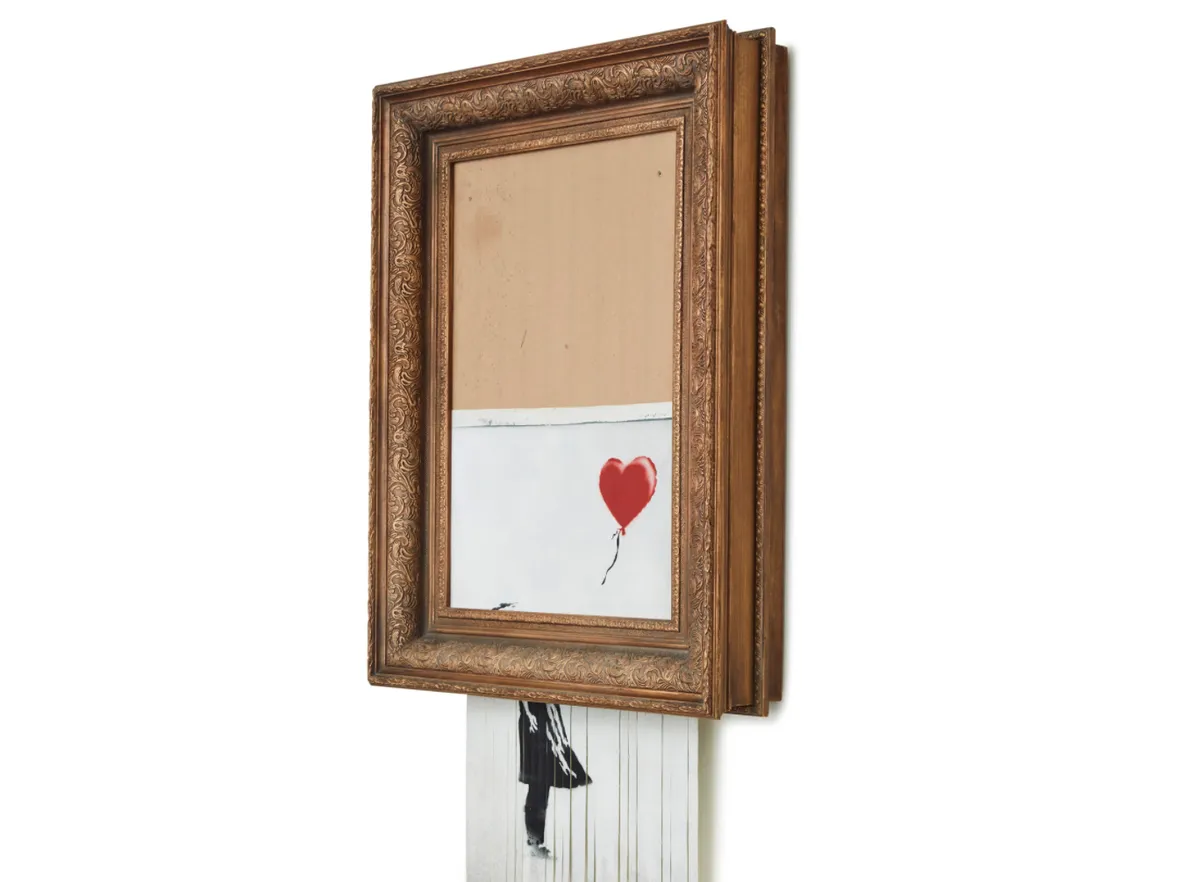
Moreover, the public’s fascination with Banksy’s identity has only intensified. The artist’s works, such as the auction of “Love is in the Bin” which sold for $25.4 million in 2021, underscore the financial stakes involved in his anonymity. The art market’s interest in Banksy reflects a broader cultural obsession with understanding the person behind the art.
Experts argue that Banksy’s anonymity serves vital societal interests, allowing him to address political and social issues without the constraints of personal identity. As Stephens noted, “Working anonymously or under a pseudonym serves vital societal interests.” This perspective raises questions about the role of anonymity in art and its impact on freedom of expression.
The public’s deep interest in Banksy’s identity is not merely about curiosity; it reflects a desire to connect with a figure who has had a profound influence on culture and political discourse. As one observer remarked, “The public has a deep interest in understanding the identity and career of a figure with his profound and enduring influence on culture, the art industry and international political discourse.”
In the wake of this investigation, the art world is left to grapple with the implications of Banksy’s unmasking. The artist’s recent mural outside the High Court in London, created in September 2025, serves as a reminder of his ongoing relevance and the conversations surrounding his work.
As the narrative unfolds, the complexities of Banksy’s identity and the legal challenges that may arise continue to shape the discourse around his art. Details remain unconfirmed, and the future of Banksy’s anonymity remains uncertain.