Who is involved
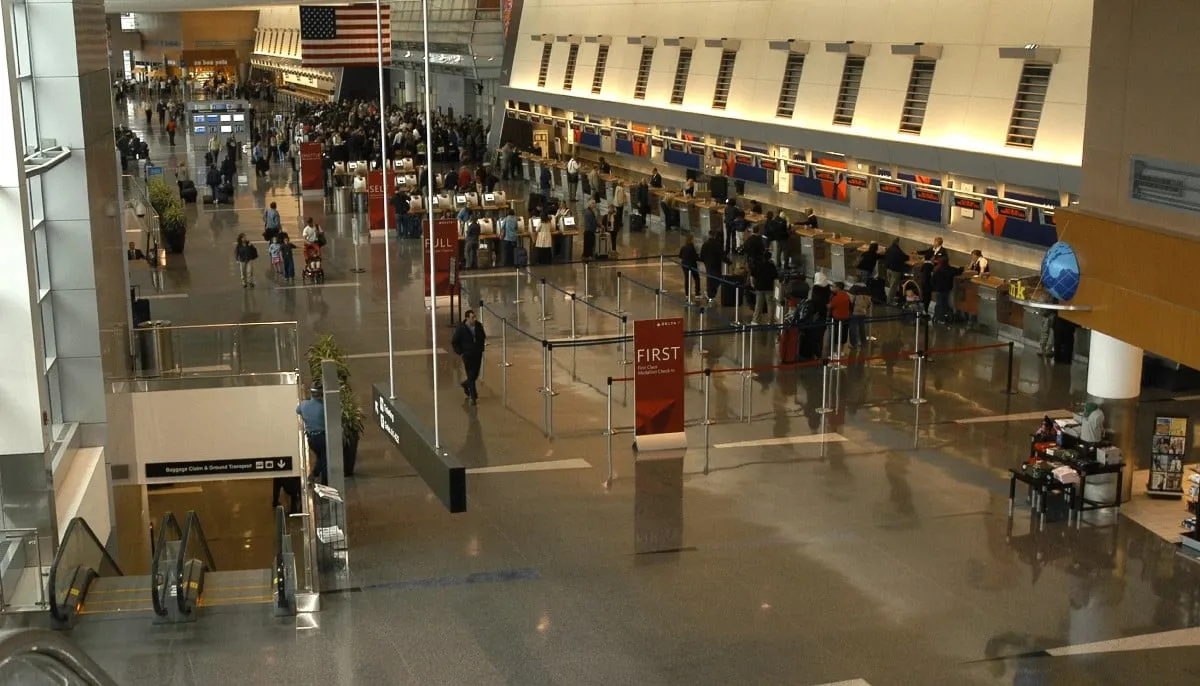
On March 16, 2026, Logan Airport in Boston was significantly impacted by severe weather conditions, leading to a dramatic shift in travel expectations. Prior to this event, travelers had booked their flights with confidence, anticipating smooth journeys. However, as the day unfolded, the situation quickly deteriorated, resulting in widespread cancellations and delays.
By late evening on March 16, Logan Airport recorded 279 cancellations and 339 delays. The situation was not isolated to Boston; nationwide, over 5,400 flights were canceled due to the same severe weather conditions. The decisive moment came when all remaining flights from Boston to New York were canceled by midday, leaving many travelers stranded and frustrated.
The immediate effects of this weather crisis were felt by airlines and passengers alike. JetBlue, one of the major carriers operating out of Logan Airport, canceled approximately 240 flights systemwide through Tuesday, March 17, 2026. Passengers like Maeve Higgins expressed their dismay, stating, “We booked our trip two months ago, and everything was good, and then this morning we had our flight get canceled one time, rescheduled it, and then it got canceled again.” Such sentiments echoed throughout the terminal as travelers grappled with unexpected changes to their plans.
Massport reported that most delays were attributed to weather-related issues, with no TSA problems contributing to the chaos. The National Weather Service had issued a high wind warning for eastern Massachusetts and Rhode Island, predicting wind gusts that could potentially reach 70 miles per hour. This alarming forecast underscored the severity of the situation and prompted airlines to allow itinerary changes for affected passengers.
Lauren Price, another traveler caught in the turmoil, shared her predicament: “The hotel is non-refundable, so we are just going to go there for as many days as we can get.” This highlights the financial implications of such weather disruptions, as travelers faced not only logistical challenges but also potential monetary losses due to non-refundable bookings.
JetBlue officials addressed the situation, emphasizing the safety of their customers and crew members as their top priority. They stated, “Due to high winds and rain, delays are expected,” indicating that the airline was closely monitoring the storm’s progression to determine if further operational adjustments would be necessary. This proactive approach reflects the industry’s commitment to safety amidst challenging circumstances.
As the day progressed, the ripple effects of the severe weather were felt across the aviation industry, with many airlines grappling with the fallout from the cancellations and delays. Travelers were left to navigate the complexities of rescheduling flights and finding alternative accommodations, all while dealing with the uncertainty of the weather’s impact on future travel plans.
In summary, the events of March 16, 2026, at Boston Airport serve as a stark reminder of how quickly circumstances can change in the world of air travel. With severe weather disrupting operations, passengers found themselves facing unexpected challenges, highlighting the need for flexibility and preparedness in the face of nature’s unpredictability.