How it unfolded
As London prepares for a series of tube strikes scheduled for March to May, the potential impact on the city’s transport system and hospitality sector is significant. The first strike is set to take place on March 24, coinciding with major events, including Arsenal’s Champions League quarter-final against Chelsea and the Women’s Champions League match at the Emirates Stadium, where over 30,000 fans are expected.
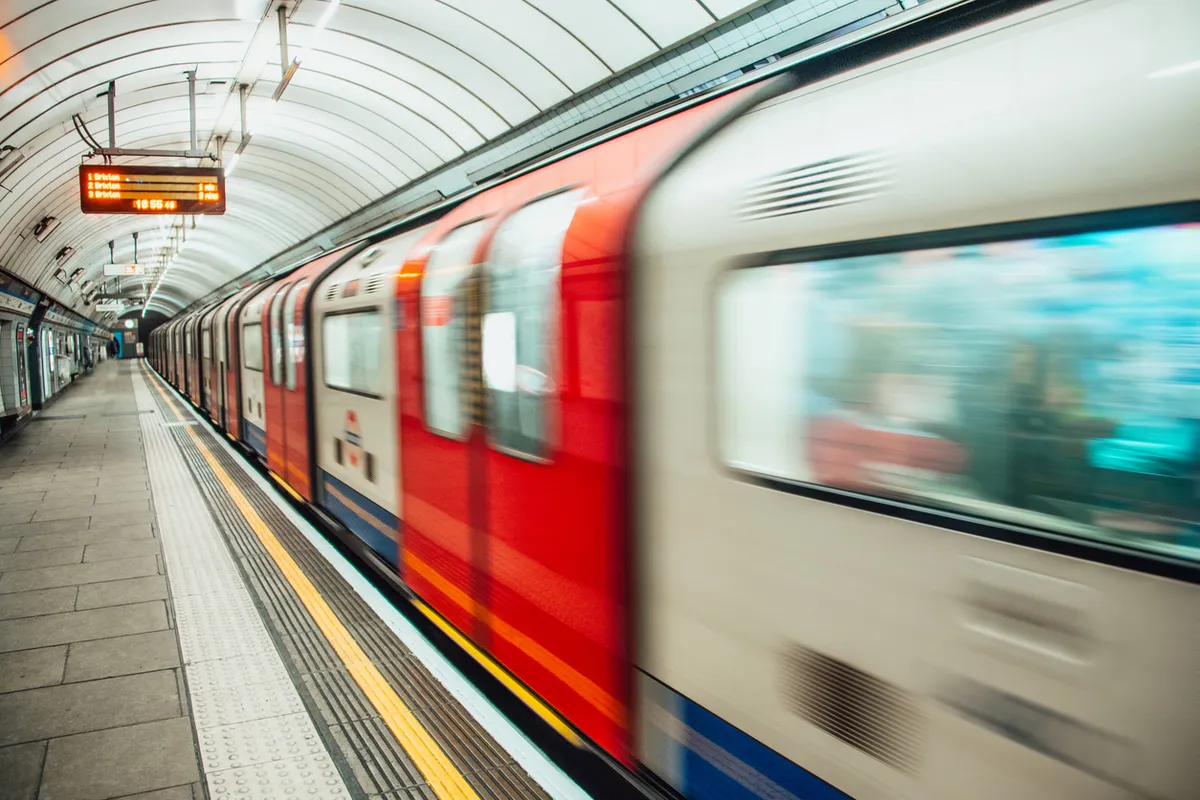
The strikes will continue with additional dates on March 26, April 21, and May 19 and 21, affecting all Tube lines. The RMT union has called for these strikes as part of ongoing disputes over working conditions, with Transport for London (TfL) suggesting that the RMT should consider adjusting working hours to fit within a four-day schedule instead of five.
Previous tube strikes have shown a dramatic effect on the hospitality industry. During a strike in September 2025, hospitality bookings fell by as much as 67%, and walk-in visits dropped nearly 70%. This trend raises concerns for bars and restaurants in London, particularly during the upcoming strike days when significant events are scheduled. A week of walkouts could cost London venues up to £110 million in lost trade.
Champa Magesh from Access Hospitality noted, “We’ve seen from previous strikes just how significant the impact can be on hospitality businesses, with bookings dropping by 67%.” Such statistics highlight the vulnerability of the hospitality sector to transport disruptions, especially in a city where many rely on public transport to reach venues.
On March 27, England’s friendly match against Uruguay will also coincide with a tube strike, further complicating travel for fans. The strikes are expected to create chaos for those attending the game, with many needing to find alternative transport options. The RMT union’s decision to strike during these high-profile events underscores the seriousness of the ongoing negotiations.
As the strike dates approach, the uncertainty surrounding the situation remains. While the RMT union has not indicated any willingness to back down, the potential for negotiations remains. Details remain unconfirmed regarding any last-minute agreements that could avert the strikes.
With the strikes set to impact all Tube lines, Londoners and visitors alike are bracing for travel disruptions. The implications for hospitality businesses are particularly concerning, as they could face significant losses during a critical time for trade. The outcome of these strikes will be closely monitored by both the public and industry stakeholders.
In summary, the upcoming tube strikes in London are poised to disrupt not only the transport system but also the hospitality sector, particularly during key events. The financial repercussions for businesses could be severe, and the situation remains fluid as negotiations continue.