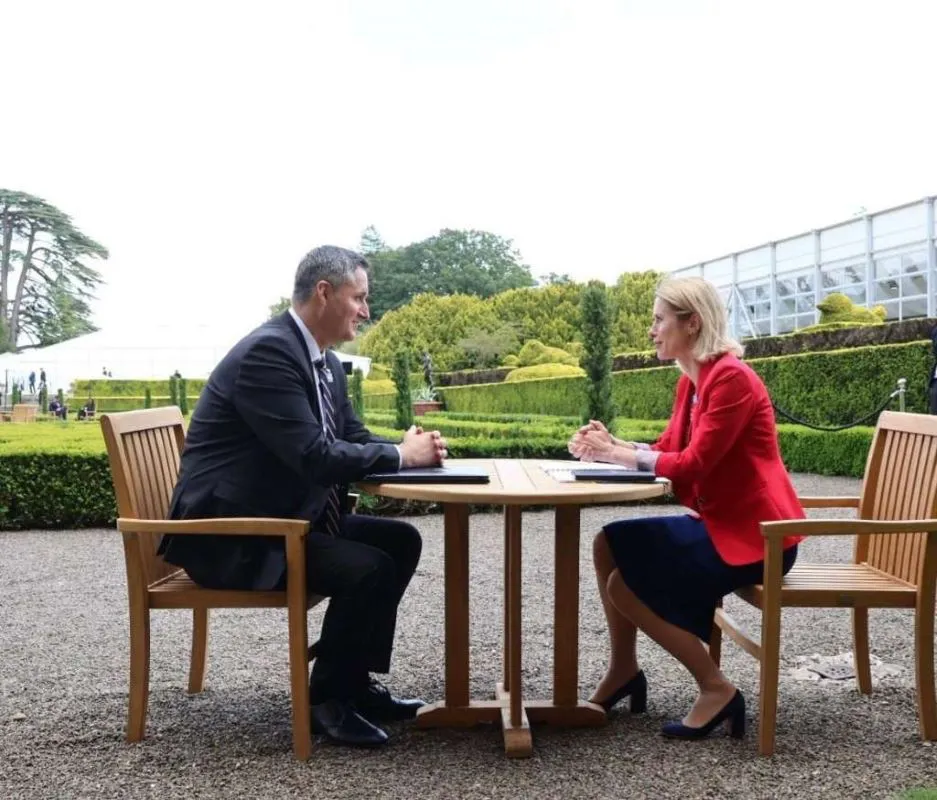
Kaja Kallas, the High Representative of the European Union for Foreign Affairs and Security Policy, delivered a keynote speech at the 2026 Conference on Countering Foreign Information Manipulation and Interference in Brussels. During her address, she underscored the EU’s disinterest in pursuing energy deals with Russia, highlighting the need for Europe to remain vigilant against external threats to democracy.
Kallas pointed out that Russia’s financial support for pro-Russian voices in Moldova is estimated to be between 200 and 300 million euro. She emphasized that nearly 80% of Europeans are concerned about disinformation affecting voter choices, while over 60% worry about external pressures on their democracies.
In her remarks, Kallas stated, “Democracy is based on trust. If we cannot tell what is true and what is not, we are easily manipulated.” This statement reflects her broader concern regarding the integrity of information in the context of rising disinformation campaigns.
Kallas also noted that Russia and China invested up to 11 billion euro in information manipulation last year, indicating a significant threat to democratic processes across Europe. She urged European nations to be proactive in countering these manipulative tactics.
Furthermore, Kallas remarked, “I don’t see this appetite. And when we talk to Russia, of course, the most important thing is to first agree what we want to talk to them about.” This comment suggests a cautious approach to diplomatic engagement with Russia, emphasizing the need for clarity in negotiations.
In light of the ongoing geopolitical tensions, Kallas warned, “We have seen this before. So we have to be very vigilant and not actually give Russia what they want, because their appetite will only grow.” This statement underscores the EU’s commitment to maintaining a strong stance against Russian influence.
The conference served as a platform for discussing the implications of foreign information manipulation on democracy, with Kallas advocating for enhanced measures to protect the integrity of electoral processes.
As the EU continues to navigate complex relationships with neighboring countries, the emphasis on information integrity remains a critical focus for Kallas and her colleagues.