Key moments
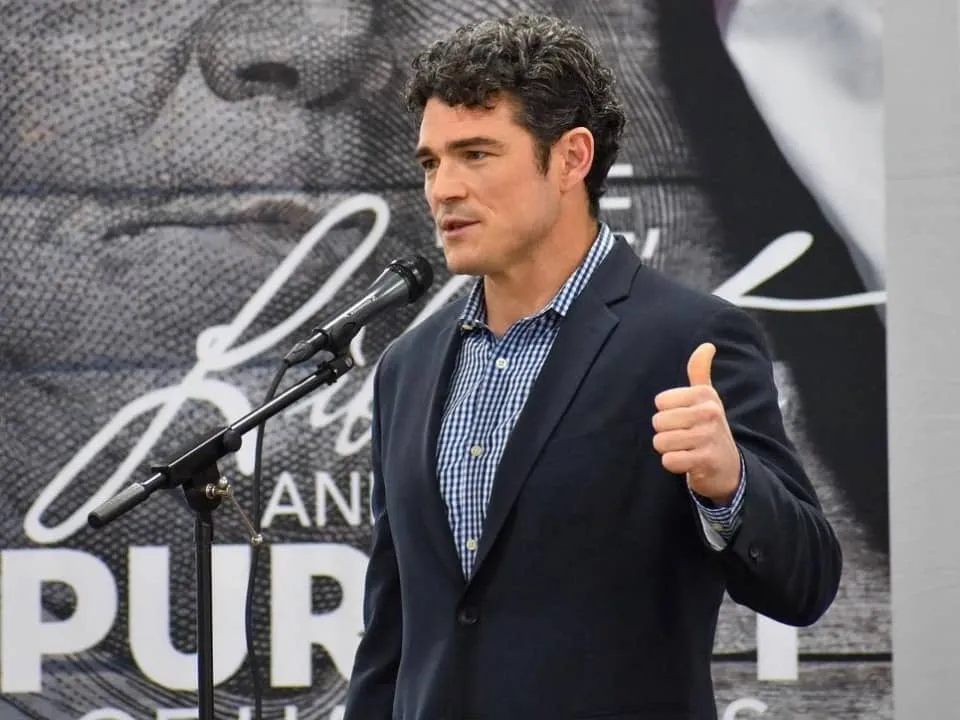
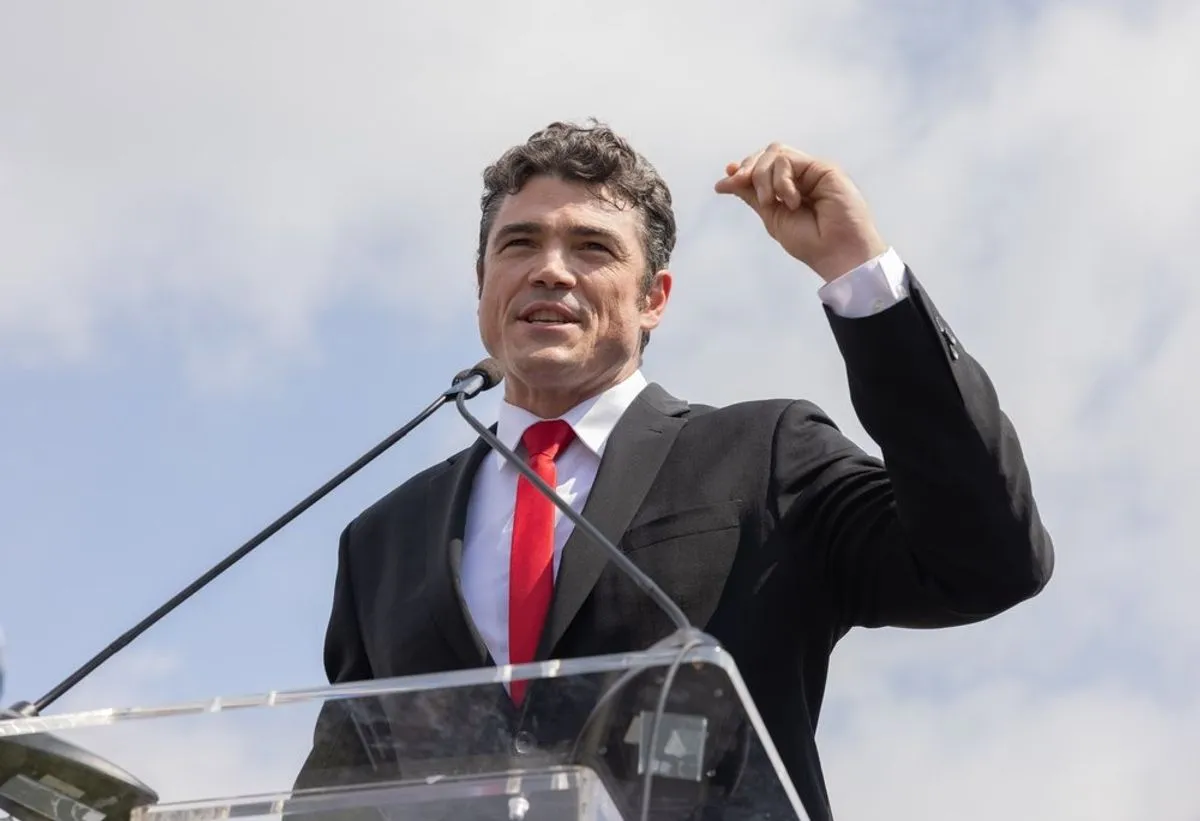
Joe Kent has resigned as the director of the National Counterterrorism Center, a position he held for less than eight months. His resignation, announced on social media platform X, marks a significant moment in the ongoing debate over U.S. military involvement in the Iran war. Kent’s departure is notable not only for its timing but also for the strong statements he made regarding U.S. foreign policy.
In his resignation letter, Kent expressed his inability to support the ongoing war in Iran, stating, “I cannot in good conscience support the ongoing war in Iran.” He further claimed that Iran posed no imminent threat to the United States and criticized the influence of Israel on U.S. foreign policy, asserting that the war was initiated due to pressure from Israel and its powerful American lobby.
Kent’s military background is significant; he completed 11 combat deployments as a former soldier with the U.S. Army Special Forces. His personal experiences, particularly the loss of his wife, Shannon Kent, who was killed in a suicide bombing in Syria in 2019, have shaped his views on military intervention. This context adds depth to his resignation and the concerns he raised.
His resignation is the highest-profile rebuke of the Iran war from within the Trump administration, highlighting a division among Republicans regarding military engagement in the Middle East. Kent’s confirmation by the Senate was a narrow one, passing with a vote of 52 to 44, indicating that his views may not align with the broader party consensus.
Reactions to Kent’s resignation have been mixed. Donald Trump, the former president, remarked that he always thought Kent was weak on security, stating, “I always thought he was a nice guy, but I always thought he was weak on security.” This comment reflects the tension within the party regarding national security and foreign policy strategies.
Conversely, some supporters have defended Kent’s stance. Tucker Carlson, a prominent media figure, praised Kent, saying, “Joe is the bravest man I know, and he can’t be dismissed as a nut.” This support underscores the complexities of the political landscape surrounding military intervention and the differing opinions within the Republican Party.
As the situation evolves, Kent’s resignation may prompt further discussions about U.S. military policy in the region and the influence of foreign nations on American decisions. Details remain unconfirmed regarding the immediate implications of his resignation on the National Counterterrorism Center and U.S. foreign policy moving forward.