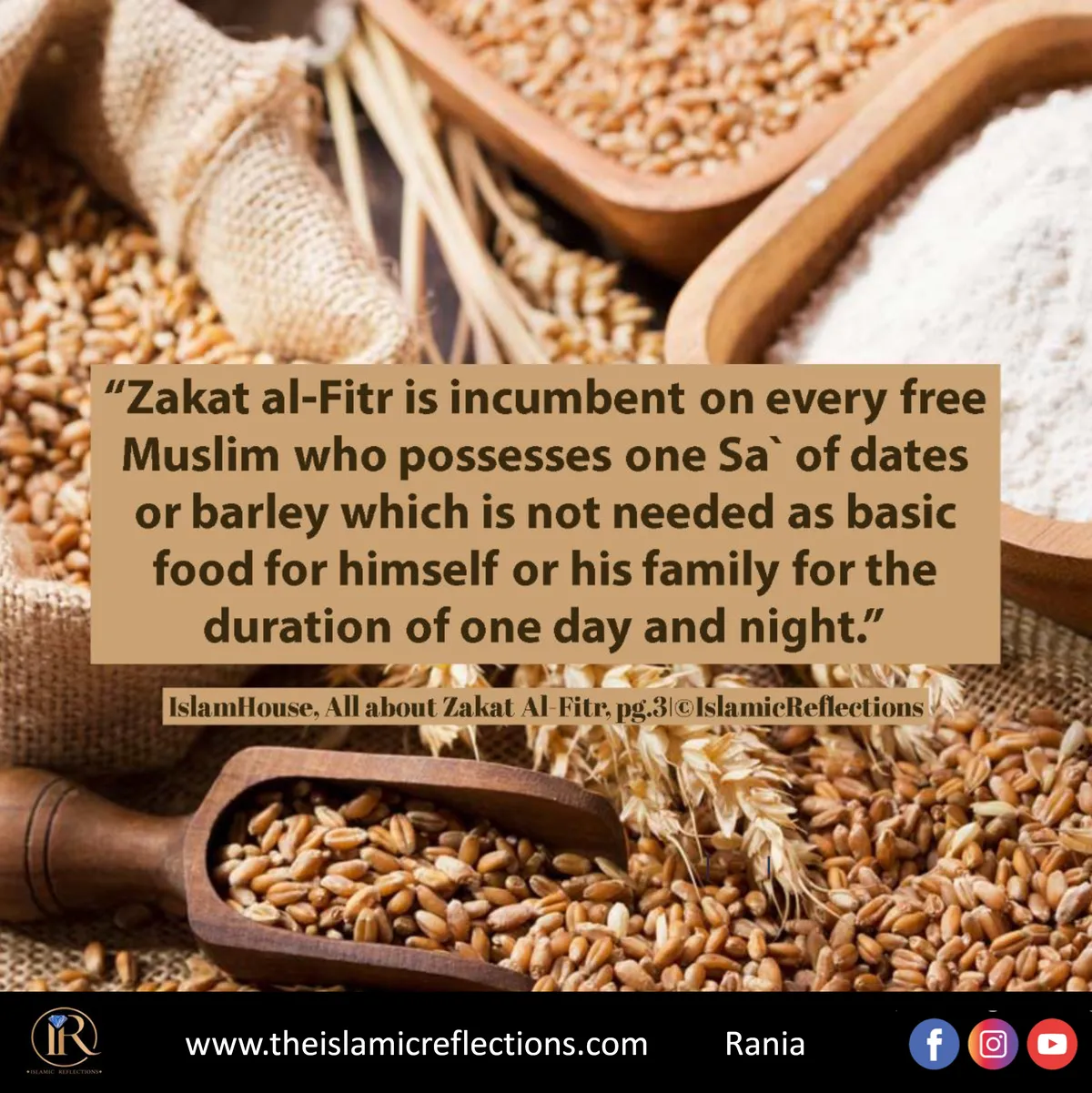
Zakat al Fitr is an obligatory form of charity that every adult Muslim with financial means must pay. This practice ensures that all members of the community, especially the poor and needy, can partake in the joy of Eid celebrations. The head of the household typically pays Zakat al Fitr on behalf of the entire family, including dependents such as children.
Traditionally, Zakat al Fitr can be given in the form of 2.5 kilograms of staple food or a cash equivalent. For the year 2026, the cash equivalent is estimated to be Dh25, which is approximately $7 per person. This amount is intended to provide sufficient support to those in need.
The timing of Zakat al Fitr is crucial; it must be paid after the Fajr prayer on the day of Eid and before the Eid prayer begins. This ensures that the assistance reaches the needy in a timely manner, allowing them to enjoy the festivities without hunger.
Historically, Sadaqah al-Fitr was instituted in the second year after Hijrah, coinciding with the year that fasting during Ramadan became obligatory. The practice serves as a mechanism of social solidarity, emphasizing that no Muslim should be left hungry during Eid.
The default recipients of Zakat al Fitr are the poor and needy, and it can be distributed through government-backed zakat funds and recognized charitable organizations. This distribution method helps to ensure that the aid reaches those who require it most.
The significance of Zakat al Fitr extends beyond mere charity; it is a form of purification for the fasting person, as noted by Abdullāh ibn ‘Abbās (RA), who stated that it serves as food for the poor and a means to cleanse oneself from idle talk and obscenities.
Moreover, the aim of Zakat al Fitr is not to humiliate recipients but to integrate them into the joy of the festival. This principle highlights the importance of community and support during significant religious occasions.
As Eid approaches, the emphasis on fulfilling this obligation grows, with many families preparing to ensure that they meet their Zakat al Fitr responsibilities. The act of giving not only uplifts the recipients but also reinforces the bonds within the community.
In summary, Zakat al Fitr is a vital aspect of Islamic practice that embodies the values of charity, community support, and social responsibility. It plays a crucial role in ensuring that all Muslims can celebrate Eid with dignity and joy.