Who is involved
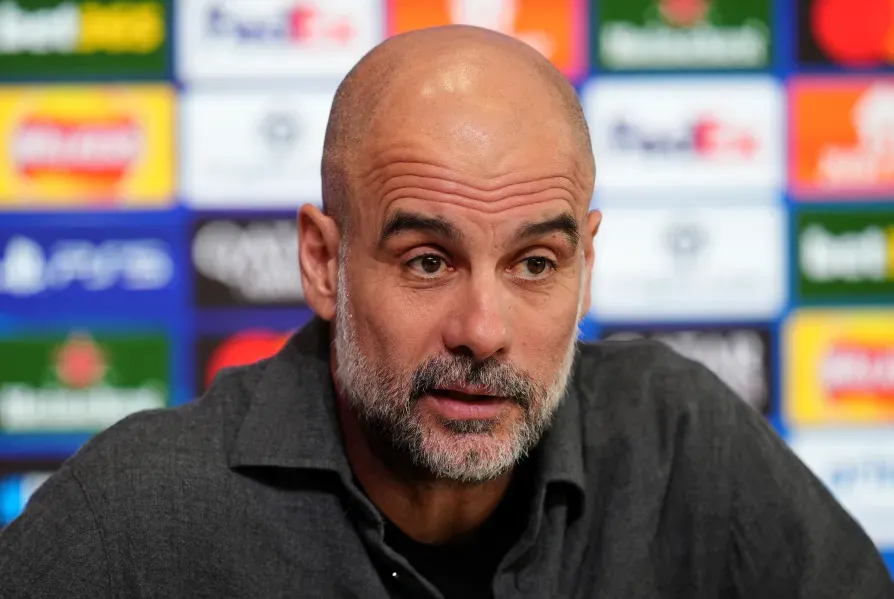
Pep Guardiola, the renowned manager of Manchester City, has found himself in a challenging position as his team continues to face setbacks in the Champions League. Expectations were high for City, especially after their recent successes in domestic competitions. However, the team’s inability to progress in Europe has raised concerns about their overall readiness and competitiveness on the international stage.
Before the recent developments, Guardiola’s tenure at Manchester City was marked by a series of triumphs, including multiple Premier League titles and domestic cup victories. The prevailing expectation was that City would eventually conquer Europe, especially given the significant investments made in the squad. Fans and analysts alike believed that the team was on the cusp of greatness, capable of matching the likes of Real Madrid, who have a storied history in the Champions League.
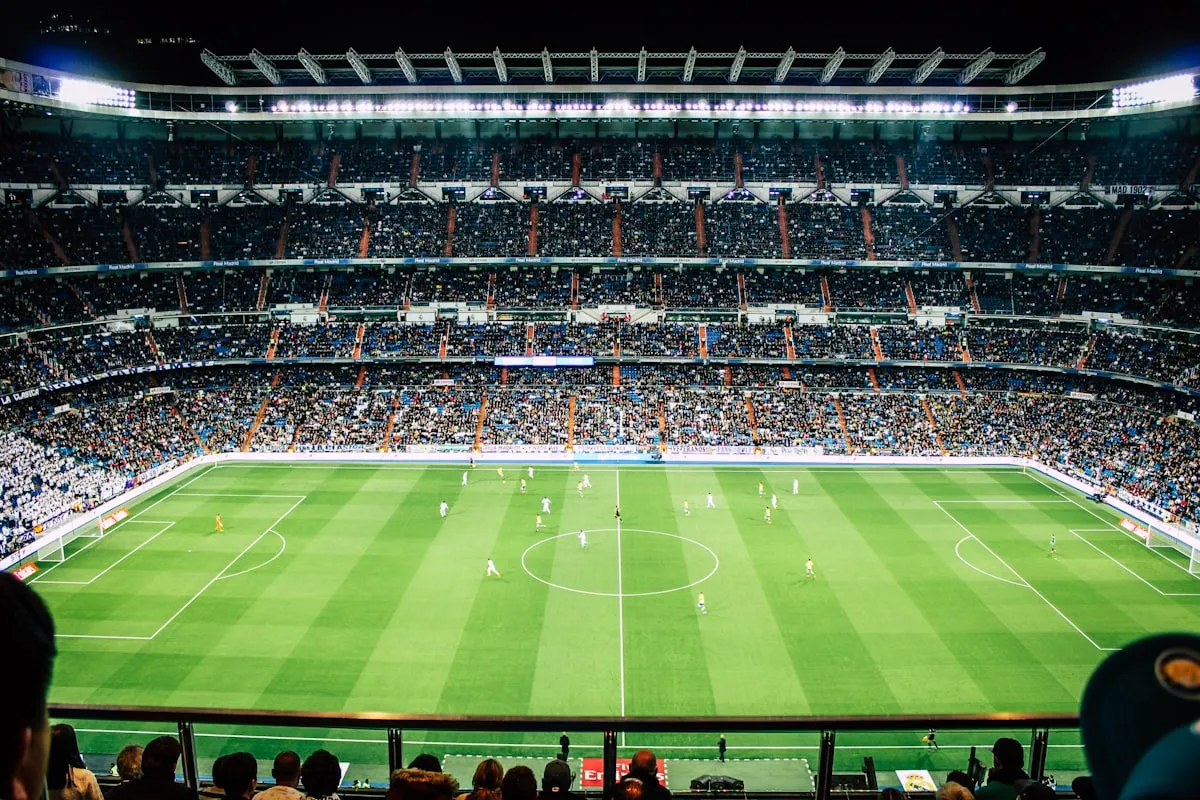
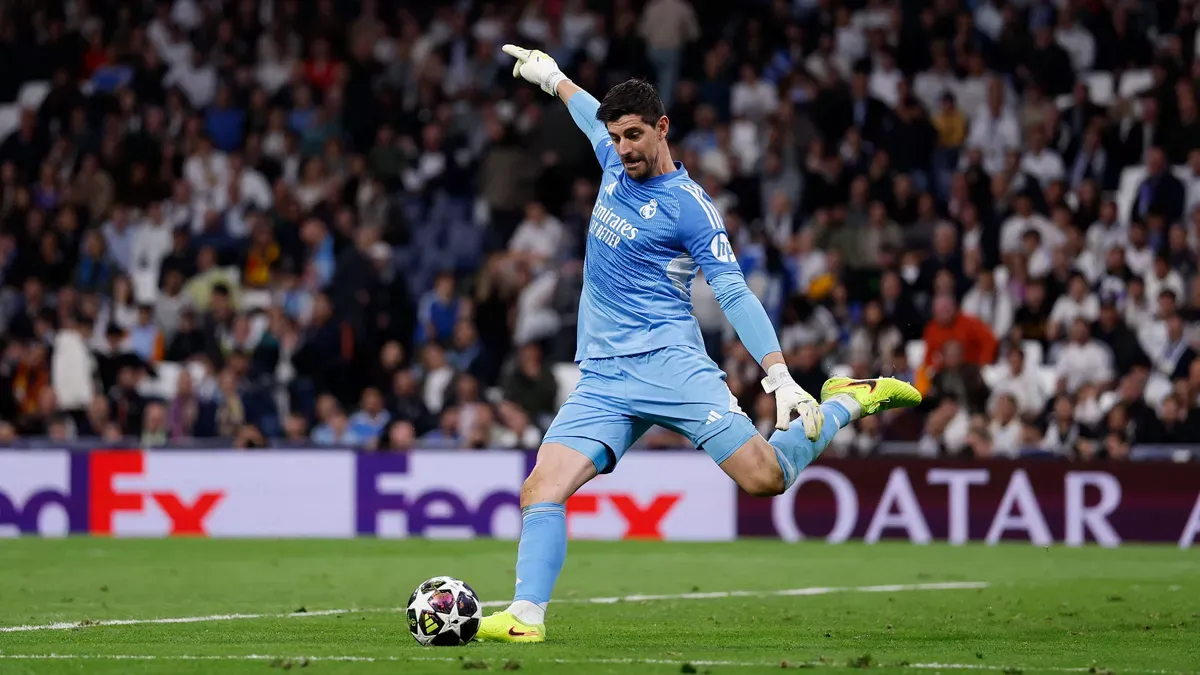
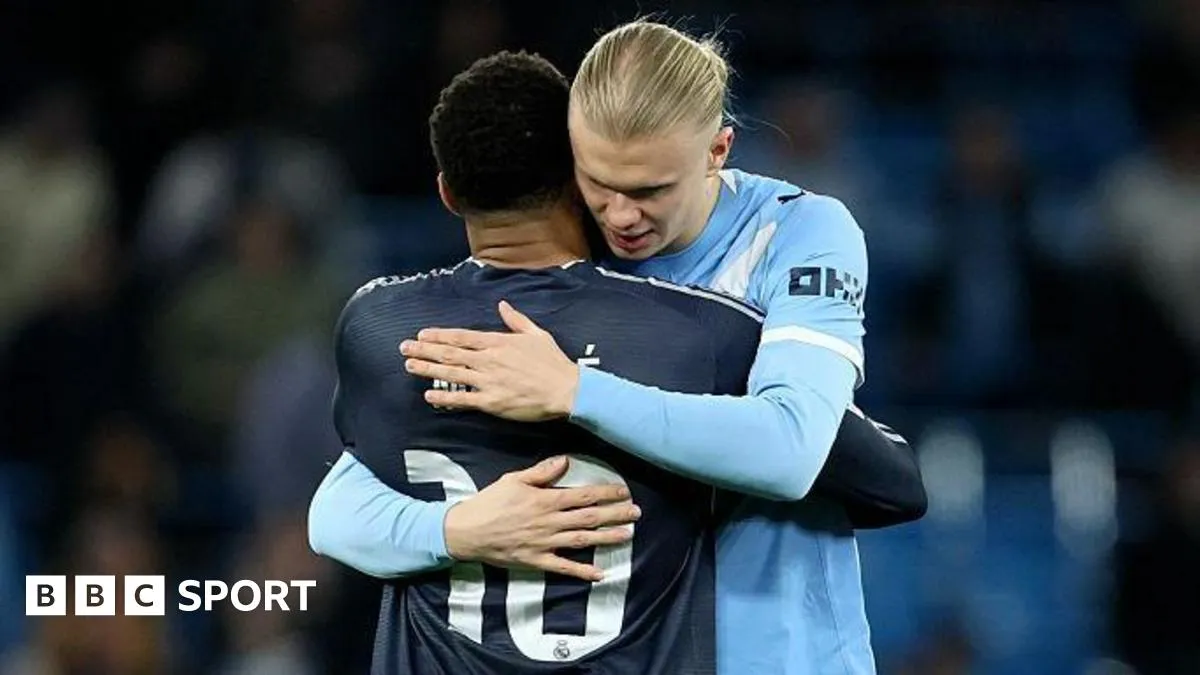
However, a decisive moment came when Manchester City was knocked out of the Champions League by Real Madrid for the third consecutive year. This time, the aggregate score was a stark 5-1, following a 3-0 defeat in the first leg at the Bernabéu. Despite having 22 shots against Madrid, City struggled to convert opportunities into goals, a reflection of their current shortcomings. Guardiola acknowledged that his team “aren’t complete” and need to improve their clinical finishing in crucial moments.
The immediate effects of this defeat have been profound. Guardiola, who has a contract with Manchester City until the summer of 2027, expressed his disappointment but also emphasized that the club is not yet at a level where failing to win the Champions League can be deemed a disaster. He stated, “I would love the club to have the feeling that Madrid has; if you don’t win the Champions League, it’s a failure.” This sentiment highlights the differing expectations between clubs with rich histories in Europe and those still striving to establish themselves.
Guardiola’s comments reflect a broader understanding of the challenges facing Manchester City. While they have been dominant domestically, the transition to becoming a European powerhouse is fraught with difficulties. Experts suggest that the team needs to develop a more resilient mentality and improve their performance in high-stakes matches. Guardiola himself noted, “We are still not complete, we are not aware in certain moments and departments, we have to be more clinical but my feeling is it is a question of time.” This perspective indicates a belief in the potential of the current squad, despite the setbacks.
As Manchester City navigates through a difficult Premier League season with only eight games remaining, the pressure is mounting on Guardiola and his players. The recent exit from the Champions League could serve as a wake-up call, prompting a reassessment of strategies and player roles. Guardiola’s leadership will be crucial in guiding the team through this challenging period and ensuring they remain competitive in both domestic and European competitions.
In summary, Pep Guardiola’s Manchester City is at a crossroads. The expectation to succeed in the Champions League remains high, yet the recent failures highlight the need for growth and adaptation. As the team looks to the future, the lessons learned from their European campaigns will be vital in shaping their path forward. Details remain unconfirmed regarding potential changes in strategy or personnel, but the urgency for improvement is clear.