What the data shows
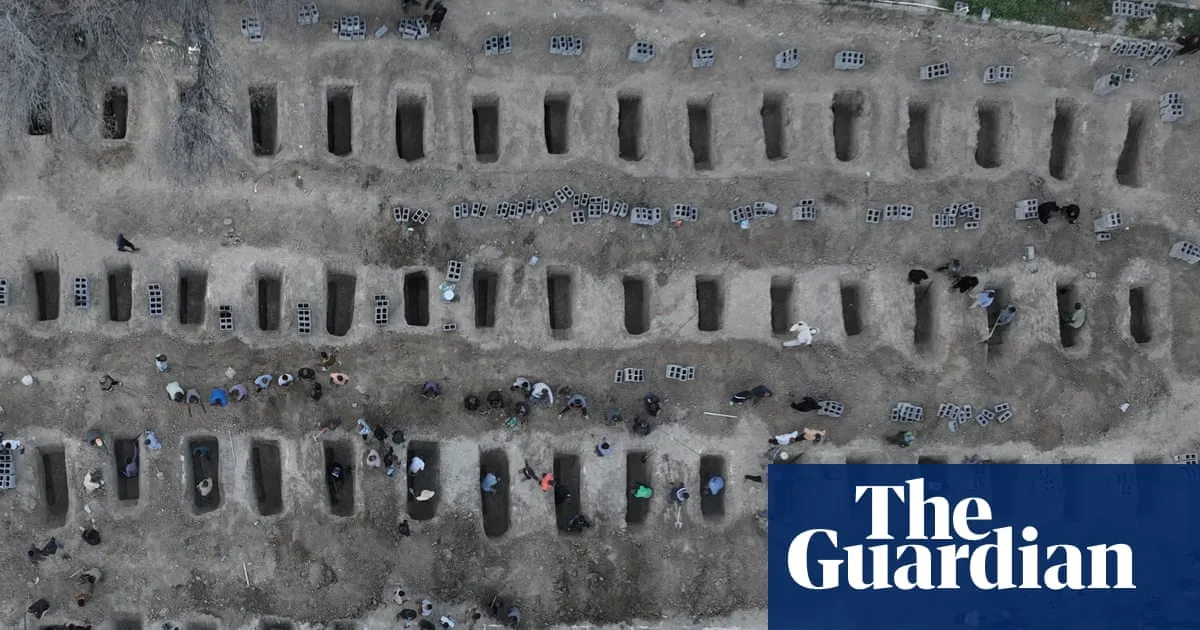
What is the true impact of artificial intelligence on our society today? The answer is multifaceted, as AI technologies are not only reshaping industries and economies but also contributing to the spread of misinformation. Recent reports indicate that AI services like Gemini and Grok have provided incorrect information regarding the origin of a photograph of the Minab graveyard, which has been confirmed as authentic through satellite images. This incident highlights a growing concern: nearly half of viral falsehoods are now attributed to generative AI.
The implications of AI extend beyond misinformation. According to recent studies, artificial intelligence has the potential to add £400 billion to the UK economy by 2030. This significant economic contribution is accompanied by a projected increase in jobs directly involving AI activities, expected to rise from 158,000 in 2024 to an astonishing 3.9 million by 2030. This growth is indicative of the transformative power of AI across various sectors.
In response to this rapid evolution, initiatives are being launched to prepare the workforce for the AI-driven future. Skills England has introduced an AI and automation practitioner apprenticeship aimed at equipping young people with the necessary skills to thrive in this new landscape. The first apprentices for this program are set to start in March 2026, marking a proactive step towards integrating AI technology into the workforce.
However, the rise of AI is not without its challenges. As highlighted by experts, the increasing prevalence of AI-generated misinformation poses a significant threat to public discourse. Tal Hagin, an AI researcher, remarked, “What you are using is actually a very advanced probability machine, not a truth box.” This statement underscores the need for critical engagement with AI outputs, as they can often mislead users.
Moreover, the role of fact-checkers has evolved in the age of AI. Shayan Sardarizadeh noted that they now regularly have to address both false posts and misleading claims made by chatbots in relation to those posts. This dual challenge complicates the landscape of information verification, making it imperative for consumers to remain vigilant.
The Minab graveyard photo incident is part of a broader narrative concerning the US-Israeli war on Iran, which highlights the civilian toll of conflict. Chris Osieck’s poignant statement reflects the emotional weight of misinformation: “Imagine losing a child and then seeing AI being used online to claim that the event did not happen.” Such instances illustrate the real-world consequences of AI-generated content.
As the integration of AI into various sectors continues to accelerate, the balance between harnessing its economic potential and mitigating its risks remains a pressing concern. While the future holds promise for job creation and economic growth, the challenges posed by misinformation necessitate ongoing dialogue and strategic action. Details remain unconfirmed regarding the full extent of these developments, but the trajectory is clear: AI is set to play a pivotal role in shaping our future.