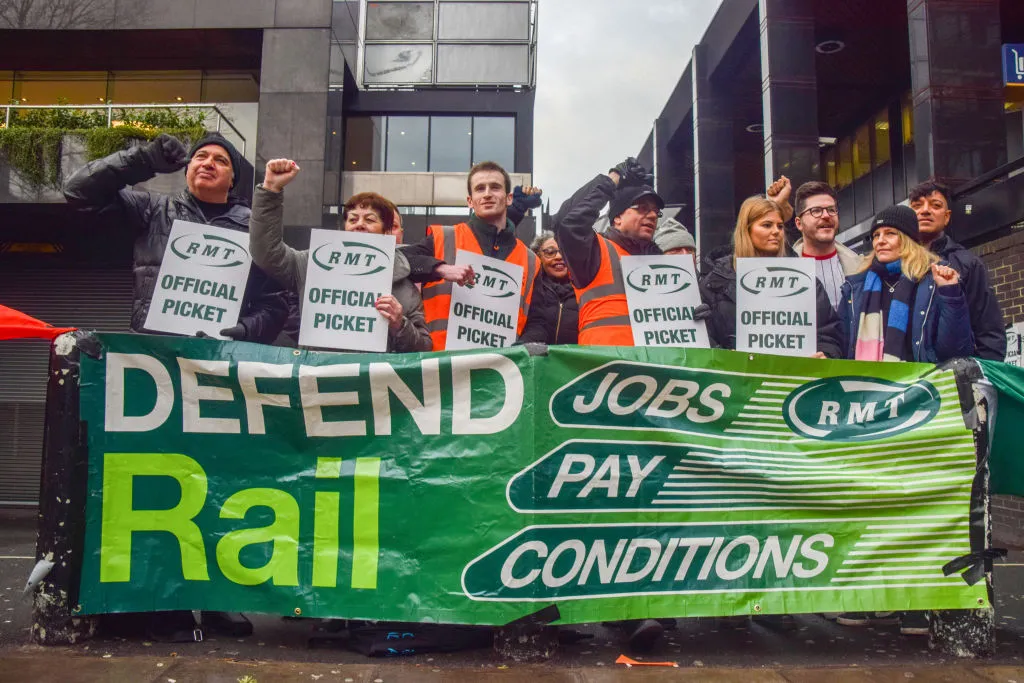
The RMT union has announced that staff on the London Underground will strike six times across 12 days in March, April, and May, beginning with the first walk-out on March 24. This decision comes in response to the introduction of a ‘compressed four-day working week’ for tube drivers, which has raised significant concerns among union members regarding fatigue, safety, and work-life balance.
The strikes are scheduled to occur on March 24-25, March 26-27, April 21-22, April 23-24, May 19-20, and May 21-22. While drivers belonging to ASLEF are not participating in the strikes, the RMT union’s decision reflects a growing discontent among its members regarding the proposed changes to working conditions. RMT general secretary Eddie Dempsey stated, “London Underground is trying to force through major changes to working patterns that have already been rejected by our members.”
This upcoming series of strikes is expected to have a significant impact on travel in the capital, particularly as the first strike day coincides with a Women’s Champions League quarter-final match at the Emirates Stadium, which is expected to draw an attendance of around 30,000. Historical data suggests that travel disruptions can dramatically reduce demand for local bars and restaurants, with previous strikes resulting in hospitality bookings falling by as much as 67%.
During a previous Tube strike in September 2025, walk-in visits to hospitality venues dropped by 70%, and cancellations surged by 50%. The potential economic impact of the upcoming strikes could cost London venues up to £110 million in lost trade, highlighting the far-reaching consequences of labor disputes on the city’s economy. Champa Magesh, a representative from the hospitality sector, remarked, “We’ve seen from previous strikes just how significant the impact can be on hospitality businesses, with bookings dropping by 67%.”
Despite the looming strikes, TfL has yet to publicly comment on the situation. Dempsey has expressed hope that a negotiated settlement can be reached, stating, “There is still time for London Underground to come up with a workable solution but we will take strike action if we cannot get a negotiated settlement.” He added, “Despite our best efforts over many months, no satisfactory outcome has been reached so we have no choice but to call strike dates.”
Since last September’s hugely disruptive tube strikes, London’s rail network hasn’t been entirely strike-free, indicating a pattern of ongoing labor disputes within the transport sector. The upcoming strikes are likely to reignite discussions about worker rights and the balance between operational efficiency and employee welfare.
As the situation develops, the potential for further negotiations remains, but for now, the planned strikes are set to disrupt travel for many Londoners and visitors alike. Details remain unconfirmed regarding any last-minute resolutions that could avert the planned disruptions.