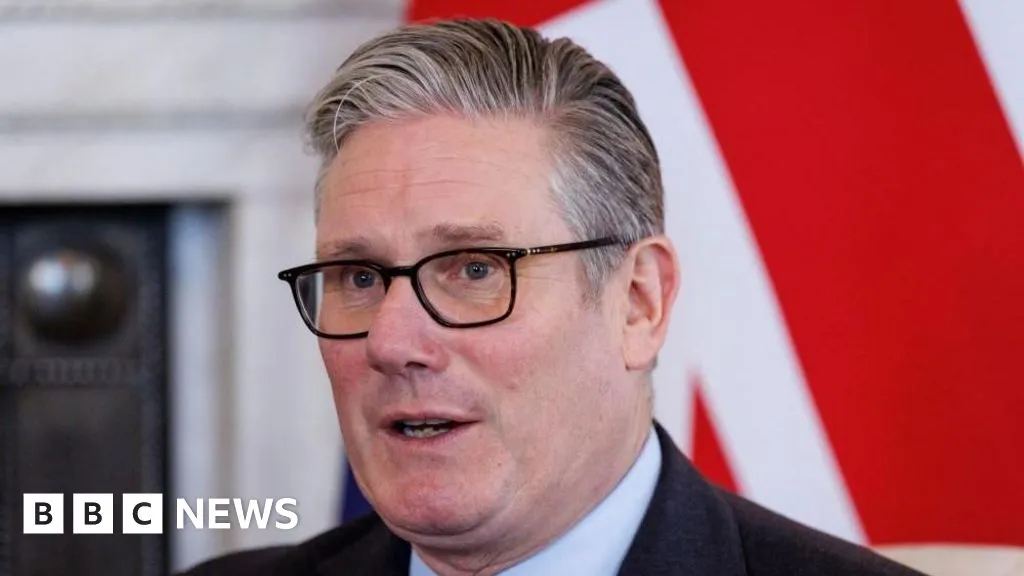
What are the implications of the ongoing Iran war on the UK economy? This question is at the forefront of an emergency Cobra meeting chaired by Sir Keir Starmer, which aims to address the economic fallout from the conflict.
Starmer has emphasized the need for a comprehensive discussion on all available government measures to tackle the escalating cost of living crisis, which has been exacerbated by the Iran conflict. He stated, “I am asking for every lever that’s available to the government to deal with the cost of living to be discussed at Cobra.” This meeting includes senior ministers and the governor of the Bank of England, Andrew Bailey.
The meeting comes in response to a projected £332 rise in the energy price cap this July, bringing the total to £1,973. This increase is largely attributed to the blockade of the Strait of Hormuz, which has resulted in 20 percent of the world’s oil and gas being blocked, significantly impacting energy prices.
In light of these developments, the government is also considering measures to combat profiteering in the energy sector. A new anti-profiteering framework is expected to empower regulators like the Competition and Markets Authority (CMA) to address price gouging effectively.
Starmer remarked, “Today we’re looking at the economic impact,” highlighting the urgency of the situation. The Prime Minister has acknowledged the devastating nature of the conflict but noted that families are increasingly concerned about its direct effects on their lives.
As the Cobra meeting unfolds, the government is under pressure to respond swiftly to the economic challenges posed by the Iran war. While discussions are ongoing, details remain unconfirmed regarding specific measures that may be implemented as a result of this meeting.