Previously, there was a prevailing expectation that Iranian missile capabilities were primarily focused on regional threats, with limited reach beyond the Middle East. However, recent events have dramatically shifted this perception.
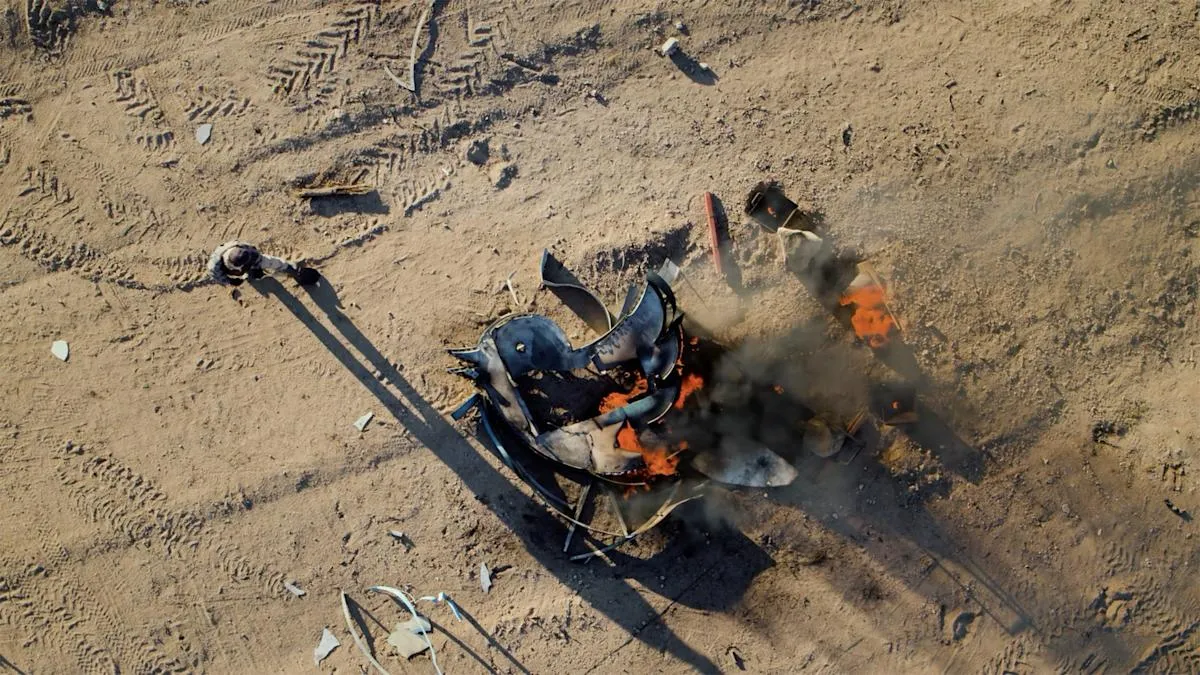
On a decisive day, Iranian missiles hit two Israeli towns near the nuclear site of Dimona and Arad, leaving several injured. This incident marks a significant escalation in hostilities and raises alarms regarding the effectiveness of Israeli military defenses, which were unable to intercept the incoming missiles.
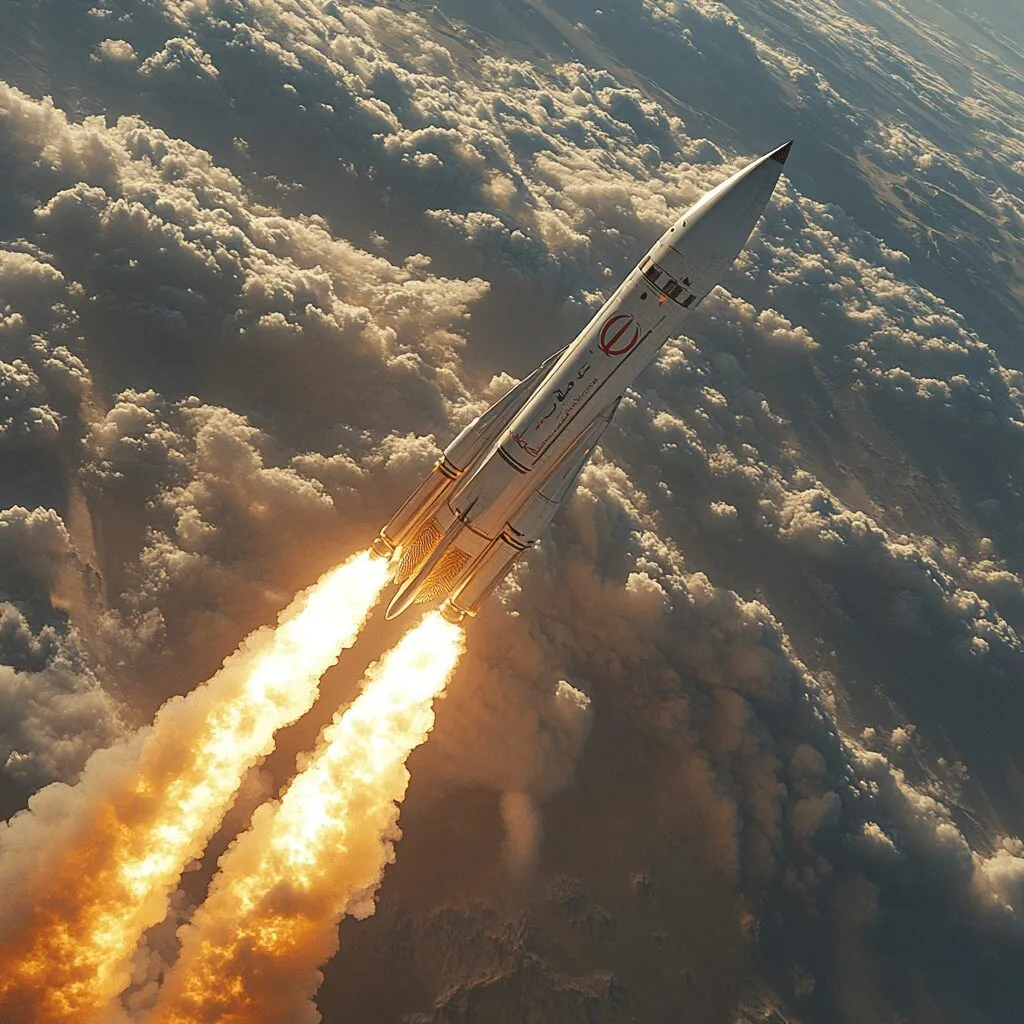
The implications of this development are profound for both Iran and Israel. For Iran, the successful strike demonstrates the advancement of its missile technology, which military experts believe could potentially reach European cities. This capability is further underscored by Iran’s ongoing development of longer-range missiles as part of its space program.
On the other hand, Israel faces a critical challenge in reassessing its defense strategies. The inability to intercept these missiles raises questions about the reliability of its military systems and the potential for future attacks. This incident could prompt Israel to enhance its missile defense systems and reconsider its military posture in the region.
Experts have noted that the recent missile strikes could alter the strategic landscape in the Middle East. The ability of Iranian missiles to reach Israeli territory, especially near sensitive sites, underscores the growing threat posed by Iran’s military advancements.
Furthermore, Iran has consistently denied developing a nuclear weapon despite Western accusations, which adds another layer of complexity to the situation. The international community remains watchful, as the potential for escalation could have far-reaching consequences.
As tensions rise, the focus will likely shift to diplomatic efforts aimed at de-escalation and addressing the underlying issues that contribute to this conflict. The situation remains fluid, and details remain unconfirmed.