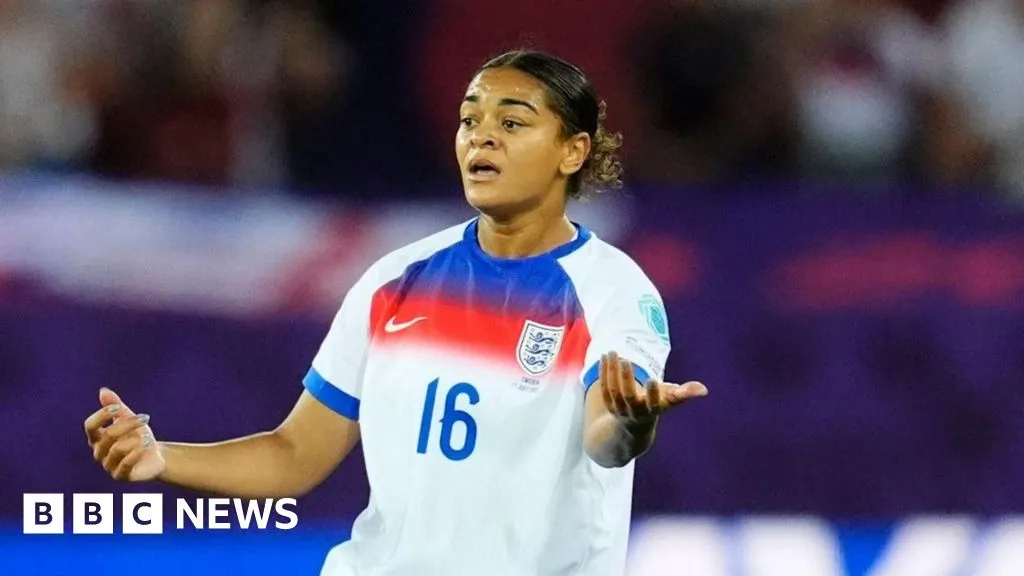
The recent case involving Jess Carter has highlighted the serious consequences of racial abuse in sports. Nigel Dewale, 60, was sentenced to six weeks in prison, suspended for 12 months, after sending racially abusive messages about Carter on social media during the Women’s Euro 2025 tournament.
Dewale’s actions have resulted in a four-year football banning order, a three-month curfew, and a fine of £239 at Blackburn Magistrates’ Court. He pleaded guilty to one charge of malicious communications and possession of a weapon in a private place, specifically an extendable baton found during a search of his home.
During the tournament, which saw England successfully defend their title, Dewale sent messages under the username ‘Bogeyman’. His comments were not only offensive but also caused significant emotional distress for Carter and her family, leading her to stop using social media altogether.
The prosecution was initiated after the UK Football Policing Unit launched an investigation into the abuse directed at Carter. Dewale was arrested at the end of August after investigators traced the messages back to his home.
John Moran from the Crown Prosecution Service stated, “This type of social media offending will not be tolerated,” emphasizing the importance of accountability in such cases. He further remarked that Dewale chose racism over patriotism, a sentiment echoed by Cheshire Chief Constable Mark Roberts, who described Dewale’s comments as “totally abhorrent.”
The case has sparked discussions about the need for stricter measures against online abuse in sports, particularly as the popularity of women’s football continues to grow. As the sport gains more visibility, the expectation is that such incidents will be addressed more robustly.
Details remain unconfirmed regarding any potential further actions or changes in policy that may arise from this incident. However, the emotional toll on athletes like Carter serves as a stark reminder of the challenges they face both on and off the field.