Introduction
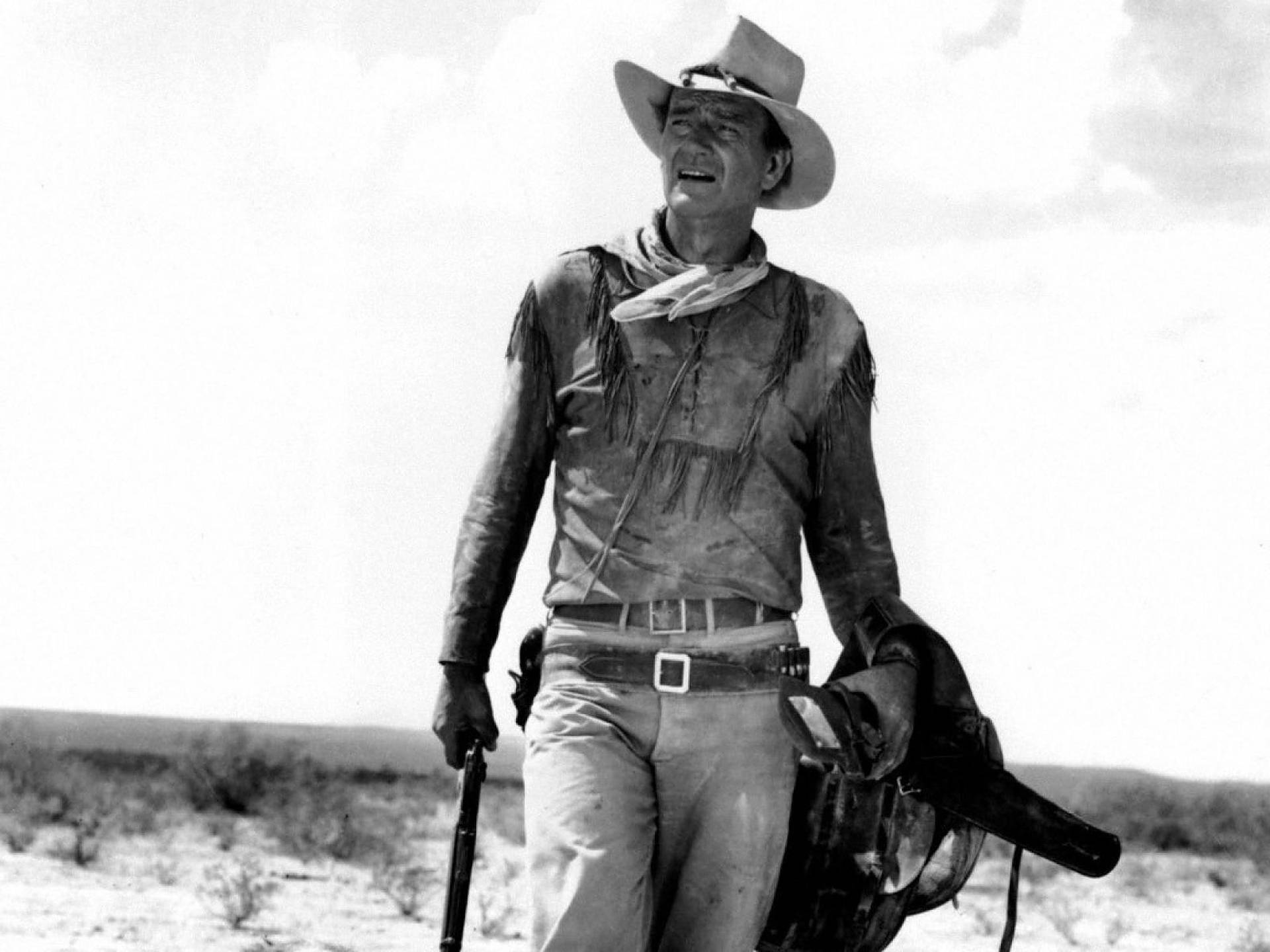
John Wayne, often referred to as ‘The Duke’, remains a seminal figure in American cinema, renowned for his distinctive voice, larger-than-life persona, and unyielding embodiment of rugged masculinity. His influence extends beyond the silver screen, shaping the archetype of the American hero and leaving an indelible mark on popular culture. In an era where discussions surrounding representation in film are prevalent, revisiting Wayne’s career offers insights into both the artistic achievements and controversies surrounding his legacy.
Career Highlights
John Wayne’s film career spanned over five decades, boasting iconic roles in films such as ‘Stagecoach’ (1939), ‘True Grit’ (1969), and ‘The Searchers’ (1956). His portrayal of tough yet principled characters resonated with audiences, earning him an Academy Award for Best Actor for his role in ‘True Grit.’ The late actor’s commitment to storytelling made him a celebrated figure in Westerns, a genre that would come to represent American ideals of bravery and individualism.
Moreover, Wayne’s contributions to film extended beyond acting; he also produced several movies, often reflecting his personal values and beliefs. His works promoted ideals of patriotism and honor, which resonated strongly during the mid-20th century, especially amidst the backdrop of World War II and the Cold War.
Controversies and Criticism
Despite his celebrated status, Wayne’s legacy is not without controversy. His political views, which leaned towards traditional conservatism, have drawn criticism, particularly regarding his comments on race and gender. As societal values have evolved, discussions about Wayne’s portrayal of Indigenous peoples in films and his stance on civil rights have situated his legacy within a complex framework of American culture. Critics argue that his representation of these issues requires a nuanced understanding, highlighting the tension between his contributions to film and his viewpoints.
Conclusion
The legacy of John Wayne remains a topic of passionate debate among film historians and enthusiasts. His films continue to be celebrated for their narrative structure and cinematic significance, while his personal beliefs prompt critical examination of the actor’s place in American history. As new generations discover Wayne’s work, the conversation around his contributions will likely evolve, reflecting ongoing discussions about representation in cinema and the portrayal of American identity. For audiences today, Wayne’s films serve as a reminder of the complex interplay between art, culture, and personal convictions that shapes our understanding of history.