Introduction
The urban landscape of Saudi Arabia is undergoing a transformation with the emergence of ambitious projects like NEOM and the ongoing development of Al-Riyadh. These initiatives signify not only a shift in architectural philosophy but also a vision for future economic growth, sustainability, and urban living. NEOM aims to create a futuristic smart city, while Al-Riyadh is enhancing its infrastructure and livability. Understanding the differences and unique offerings of these two projects is crucial for stakeholders, investors, and citizens.
Overview of NEOM
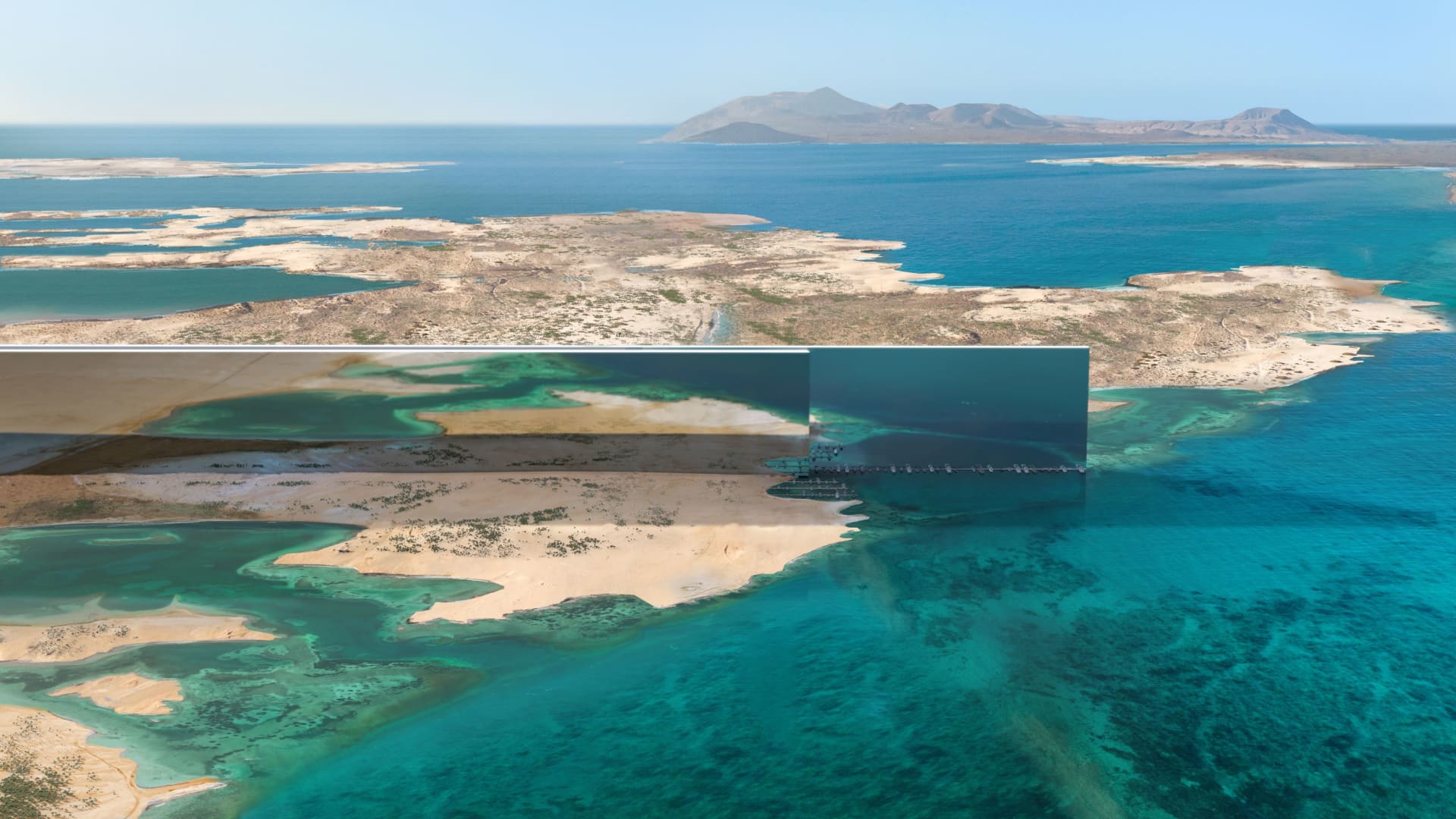
NEOM, a $500 billion mega-project located in the northwestern part of Saudi Arabia, is being designed as a hub for innovation and biodiversity. Announced in 2017, its vision includes a car-free environment, powered by renewable energy, and incorporating advanced technologies like artificial intelligence and robotics. The city will span over 10,230 square miles and is part of Saudi Crown Prince Mohammed bin Salman’s Vision 2030 plan to diversify the economy away from oil dependence.
Development of Al-Riyadh
On the other hand, Al-Riyadh, the capital city, is focusing on enhancing its existing urban structure. With projects like the Riyadh Metro and Green Riyadh initiative, Al-Riyadh aims to improve public transport and green spaces, making the city more livable for its residents. The Riyadh Development Authority has outlined a comprehensive strategy that includes the renovation of historic sites, improvement of the skyline, and expansion of recreational and cultural activities.
Comparative Analysis
While NEOM pursues a revolutionary approach to city planning, Al-Riyadh is about enhancing the current urban ecosystem. NEOM is designed from the ground up to cater to the needs of a future, tech-driven society, whereas Al-Riyadh is refining and modernising an existing cityscape that dates back centuries. NEOM’s futuristic design heavily emphasises sustainable living, mobility solutions, and smart city technologies, contrasting with Al-Riyadh’s focus on integrating urban amenities within a traditional framework.
Conclusion
Both NEOM and Al-Riyadh represent significant investments in the future of urban living in Saudi Arabia. With NEOM looking to redefine contemporary life through its high-tech, sustainable city plan and Al-Riyadh focusing on improving urban quality of life using existing infrastructure, these projects encapsulate two very different visions for the future. As they continue to evolve, their success may well influence urban development across the region and beyond, highlighting the intersection of tradition and modernity in Saudi Arabia’s ambitious blueprint for progress.