Introduction
The architectural landscape of our cities is continually evolving, with high-rise buildings reaching unprecedented heights. As urban populations grow and the demand for space in metropolitan areas increases, skyscrapers have become a symbol of human ingenuity and economic prosperity. The world’s tallest buildings not only define city skylines but also embody advanced engineering and architectural techniques. As of 2023, these towering structures serve as both impressive achievements and functional spaces.
Top Tallest Buildings in the World
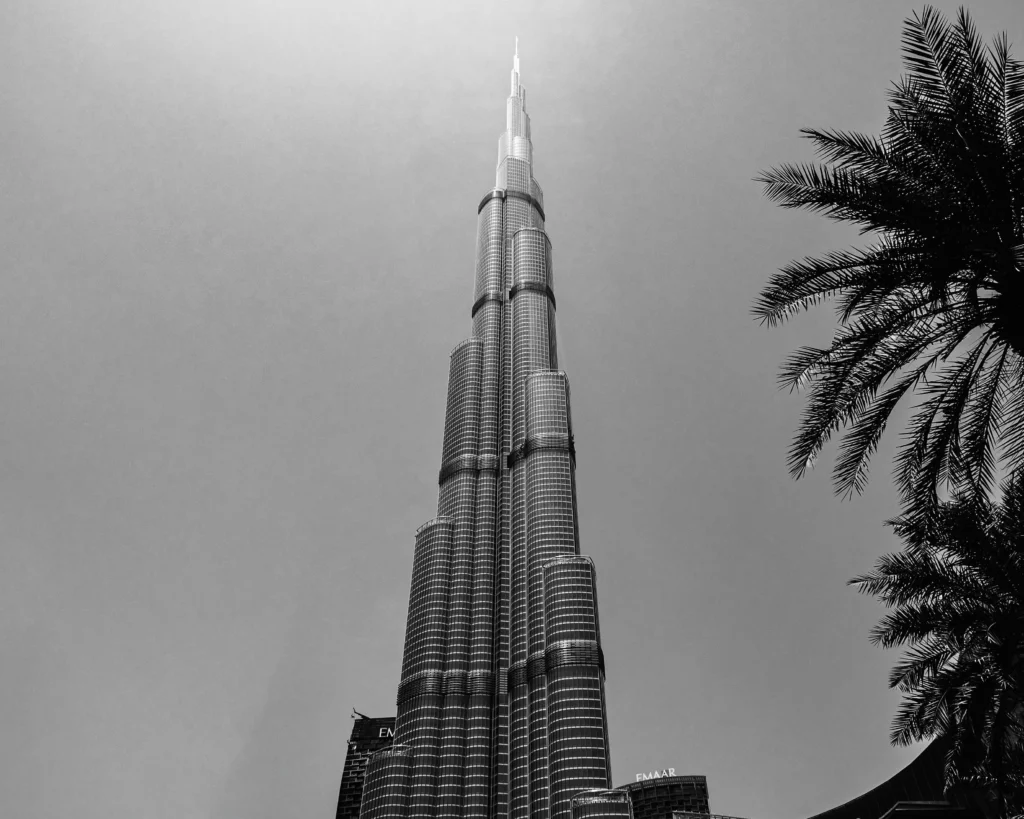
The current title holder of the tallest building in the world is the Burj Khalifa in Dubai, UAE. Standing at a staggering height of 828 metres (2,717 feet), it has held the record since its completion in 2010. This iconic structure features 163 floors and is renowned for its architectural design, which has made it a major tourist attraction in the Middle East.
Following the Burj Khalifa is the Shanghai Tower in China, which has a height of 632 metres (2,073 feet) and boasts 128 floors. Completed in 2015, the Shanghai Tower is notable for its unique twisting design, which reduces wind loads on the building, thus enhancing its stability.
Another remarkable entry is the Abraj Al Bait Clock Tower in Mecca, Saudi Arabia. At 601 metres (1,971 feet), the clock tower forms part of a government-owned megaproject and is significant not just for its height but also for its cultural and religious importance, located near the holy Kaaba.
The Implications of Tall Buildings
The construction of tall buildings is not without its challenges and implications. Environmental concerns, such as the energy consumption of skyscrapers, have prompted architects and engineers to implement more sustainable practices. Recent trends include the use of energy-efficient materials and technologies designed to minimize environmental footprints.
Moreover, tall buildings can influence urban dynamics, creating a need for efficient transport systems and increased infrastructure investment. They can also contribute to urban social interactions, as the spaces within these skyscrapers often host offices, hotels, residences, and recreational facilities.
Conclusion
As we look to the future, the world’s tallest buildings will continue to shape our cities and lifestyles. Upcoming projects such as the Jeddah Tower in Saudi Arabia, set to reach 1,000 metres (3,281 feet) upon completion, will push the boundaries of architectural design even further. The ongoing evolution in skyscraper engineering reflects not only the ambition of urban developers but also the technologies that enable such feats. The fascination with height is likely to continue, as innovative solutions emerge, allowing cities to reach for the skies.