Introduction to Influencer Marketing
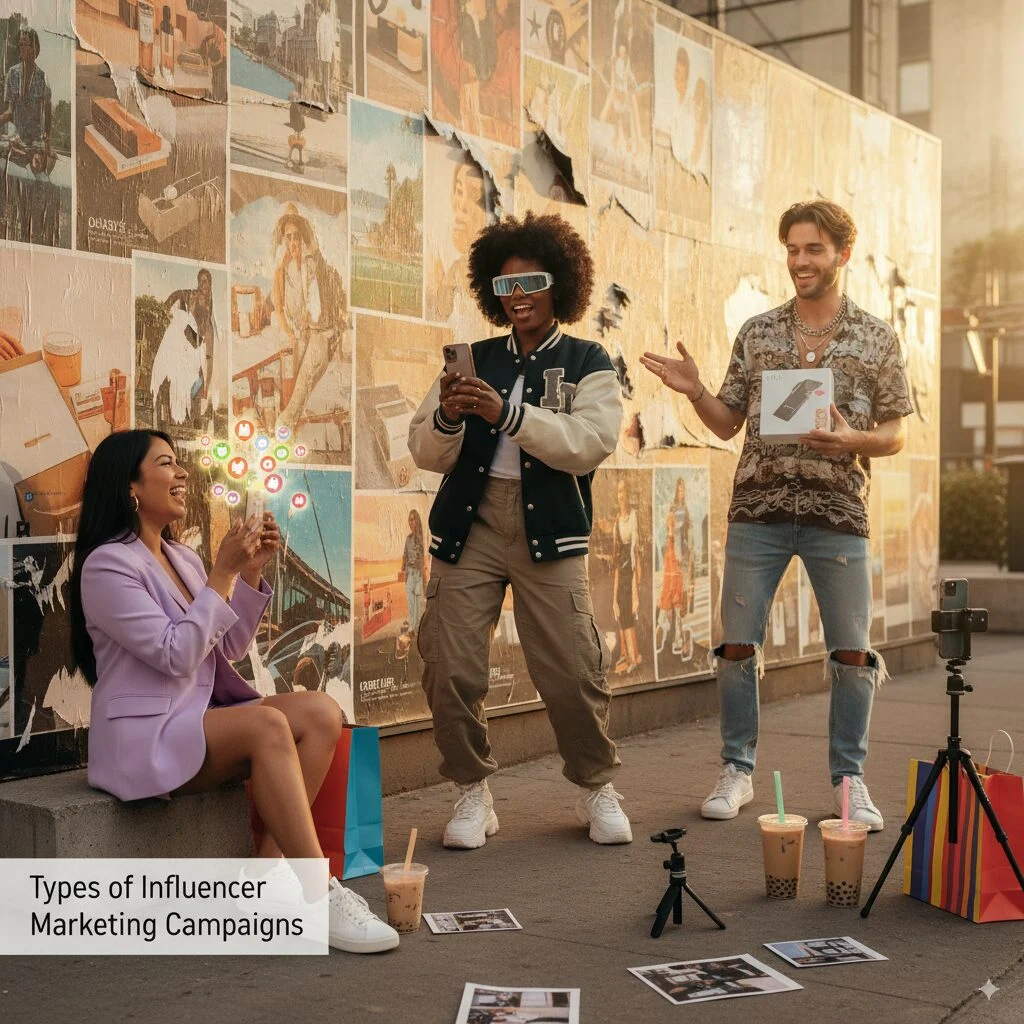
Influencer marketing has surged in importance over the last few years, transforming the way brands communicate with their target audiences. With the rise of social media platforms, particularly Instagram, TikTok, and YouTube, companies are increasingly leveraging the influence of individuals to promote their products and services. This strategy not only enhances brand visibility but also facilitates authentic engagement with consumers, making it a vital component in the marketing landscape of 2023.
Recent Developments and Statistics
As of 2023, the influencer marketing industry is projected to reach approximately £16 billion globally, according to a report by Statista. Brands are shifting their marketing budgets towards influencer partnerships, recognising the potential for higher returns on investment. In the past year, studies have shown that 70% of teens trust influencers more than traditional celebrities, highlighting the significant shift in consumer perceptions and preferences.
Moreover, businesses are now keen on collaborating with micro and nano influencers, defined as those with less than 100,000 followers. These influencers often boast higher engagement rates and more authentic relationships with their followers, making their recommendations more valuable. In fact, an Influencer Marketing Hub report suggests that micro-influencer campaigns yield an average ROI of £6.50 for every £1 spent.
Key Trends in Influencer Marketing for 2023
Several trends are shaping the influencer marketing landscape this year:
- Video Content is King: With platforms like TikTok offering short-form video features, brands are focusing on creating engaging reels and stories that capture attention effectively.
- Long-Term Partnerships: Brands are moving beyond one-off collaborations, opting to establish long-term relationships with influencers to foster consistent messaging and authenticity.
- Focus on Authenticity: Consumers are increasingly discerning. Brands are prioritising authentic partnerships that resonate with their target markets rather than simply fitting influencers into scripted marketing goals.
- Sustainability and Social Responsibility: Consumers prefer brands that engage in ethical practices. Influencers are being chosen based on their alignment with these values, helping brands enhance their corporate social responsibility.
Conclusion: The Future of Influencer Marketing
As we progress through 2023, influencer marketing continues to evolve, driven by changing consumer behaviours and technological advancements. Brands must stay attuned to these trends to remain competitive and maximise their marketing strategies. The growing importance of authenticity and sustainable brand practices suggests that companies investing in meaningful influencer relationships are likely to find success in connecting with consumers in a highly saturated market.