Introduction
Latvia, a small yet stunning country in the Baltic region of Northern Europe, has been gaining attention for its unique blend of history, culture, and natural beauty. It is bordered by Estonia to the north, Lithuania to the south, and shares a border with Russia and Belarus. As a member of both the European Union and NATO, Latvia plays a vital role in regional stability and development. This article explores the significance of Latvia today, from its vibrant cities to its picturesque landscapes.
History and Culture
Latvia’s history is marked by periods of foreign domination followed by a strong national revival. Gaining independence in 1918, Latvia faced a turbulent 20th century which included occupation by the Soviet Union and Nazi Germany. Since regaining independence in 1991, the country has transformed significantly, embracing its European identity while preserving its unique cultural heritage. Latvia’s capital, Riga, is famous for its well-preserved Art Nouveau architecture and the medieval Old Town, which is a UNESCO World Heritage site.
Nature and Tourism
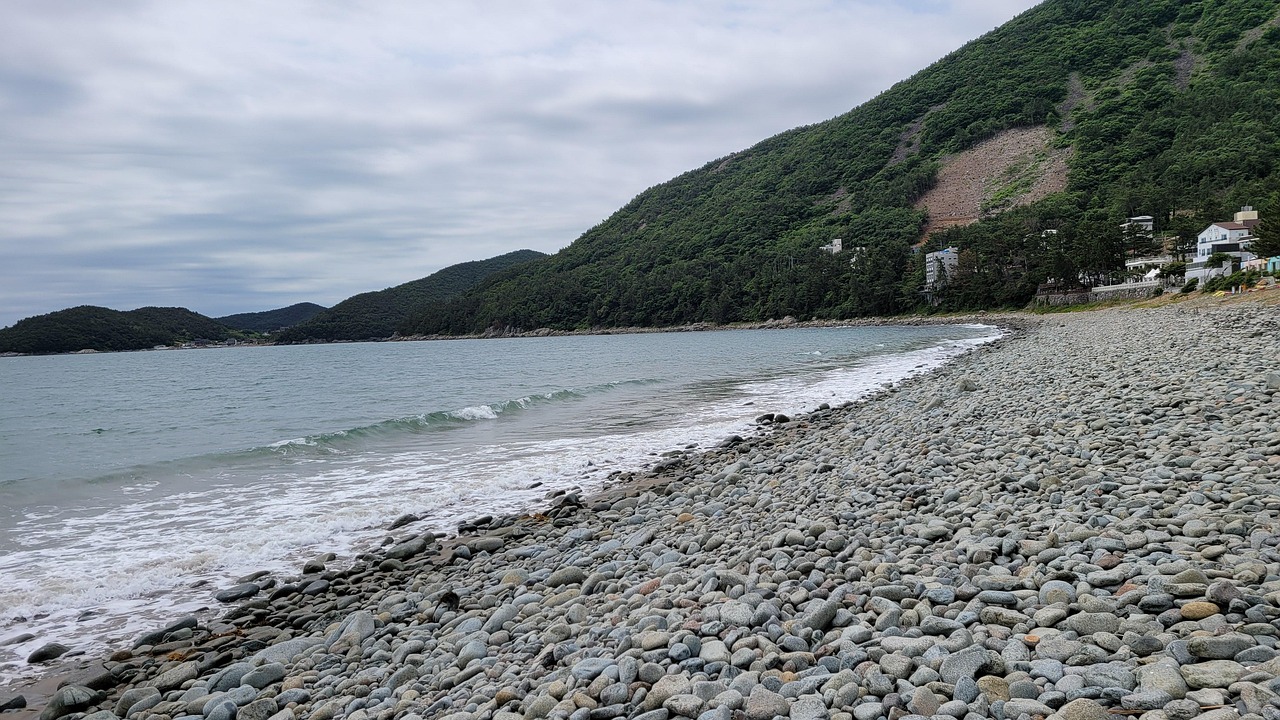
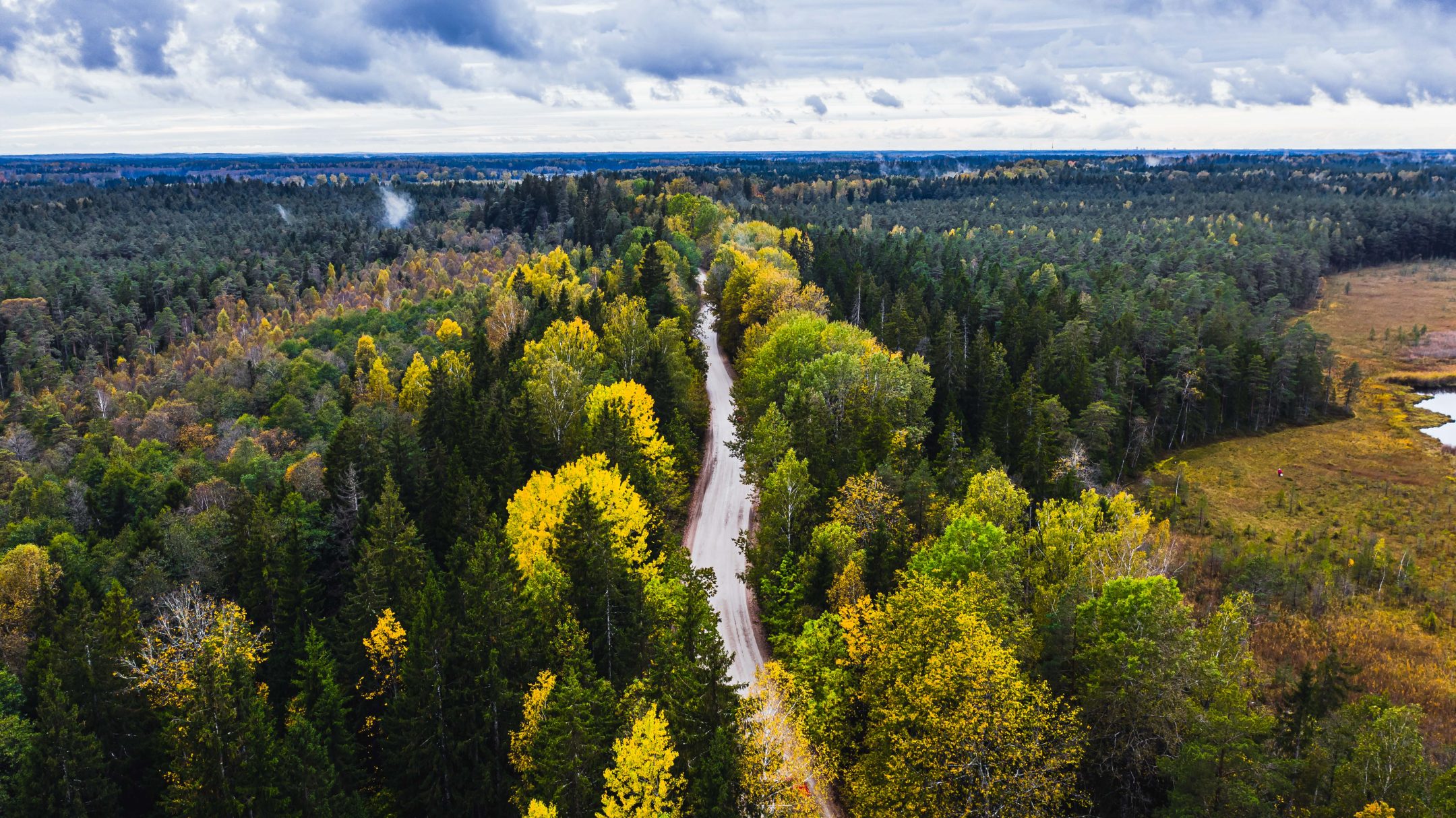
Latvia is renowned for its diverse landscapes that include pristine beaches, dense forests, and national parks. The Gauja National Park, for example, offers breathtaking scenery and outdoor activities like hiking and canoeing. The country’s coastline along the Baltic Sea provides numerous opportunities for beachgoers and nature enthusiasts. Furthermore, Latvia is home to an impressive array of wildlife, including rare species that attract eco-tourism.
Current Events and Developments
In recent years, Latvia has been focusing on the enhancement of its digital economy and sustainability efforts. The government implemented strategies to boost innovation and attract foreign investment. The COVID-19 pandemic has also reshaped Latvia’s tourism industry, with a shift towards domestic tourism and the promotion of local attractions to ensure resilience in challenging times. Events such as the Latvian Song and Dance Festival, which celebrates traditional music and culture, continue to draw both local and international visitors, strengthening Latvia’s cultural footprint.
Conclusion
Latvia is a remarkable nation that reflects a rich history and cultural heritage while continuing to evolve. As it positions itself as a digital and sustainable destination in Europe, the future looks bright for this Baltic gem. For prospective visitors and investors alike, now is an opportune time to discover the unique offerings of Latvia, from its historical treasures to its modern advancements.