Introduction
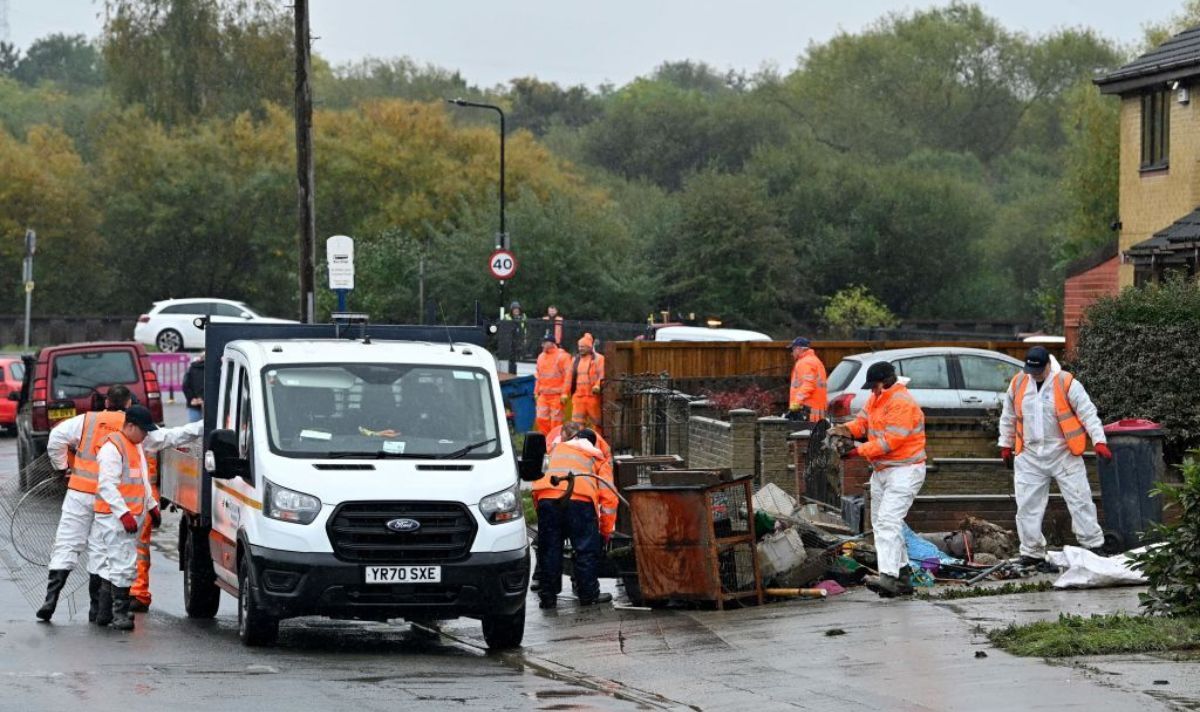
Fly tipping, the illegal dumping of waste on land, has become a pressing issue across the United Kingdom. As communities face rising cleanup costs and environmental consequences, addressing fly tipping is essential for public health and urban aesthetics. This illegal activity poses significant risks not only to the environment but also to the wellbeing of local residents.
The Current Situation
Recent studies, including a report from the Department for Environment, Food & Rural Affairs (DEFRA), have highlighted a worrying trend in fly tipping incidents. In 2022 alone, local authorities in England reported over 1.13 million fly tipping incidents, marking a dramatic increase from previous years. This surge has been attributed to various factors, including increased waste disposal fees and a lack of accessible waste management services.
Areas particularly affected include urban regions where residents often find themselves with limited options for proper waste disposal. High-profile cities like London and Birmingham have recorded significant increases in fly tipping cases, leading to saturated public spaces and contaminated areas. The problem not only affects environmental quality but can also have detrimental effects on community pride and property values.
Legal Implications and Penalties
In response to this escalating issue, the UK government has implemented stricter penalties for fly tipping. Offenders can face fines of up to £50,000 or even imprisonment based on the severity of the offence. Local councils are also stepping up their enforcement efforts, investing in surveillance and community reporting systems to catch offenders.
Community Initiatives and Solutions
Communities across the UK are taking a stand against fly tipping by organising clean-up initiatives and promoting awareness campaigns to educate residents about proper waste disposal techniques. Local councils are working closely with community organisations to facilitate waste disposal days and provide easily accessible waste bins to discourage illegal dumping.
Conclusion
Fly tipping remains a significant challenge in the UK, posing risks to the environment and public health. While recent government policies and community actions provide a framework for combating this issue, ongoing awareness and proactive measures are crucial for sustained improvement. As communities unite to tackle this problem, the hope is that the public spaces can be protected and restored for the benefit of all residents. Without collaboration and increased responsibility, the fight against fly tipping will remain one of urgency and necessity.