Introduction
Spotify, launched in 2008, has become synonymous with music streaming, fundamentally altering how consumers access and engage with music. With over 500 million active users and 220 million paid subscribers as of October 2023, the platform’s relevance continues to soar in a rapidly evolving digital landscape. This has significant implications for artists, the music industry, and listeners alike.
Transformation of Music Consumption
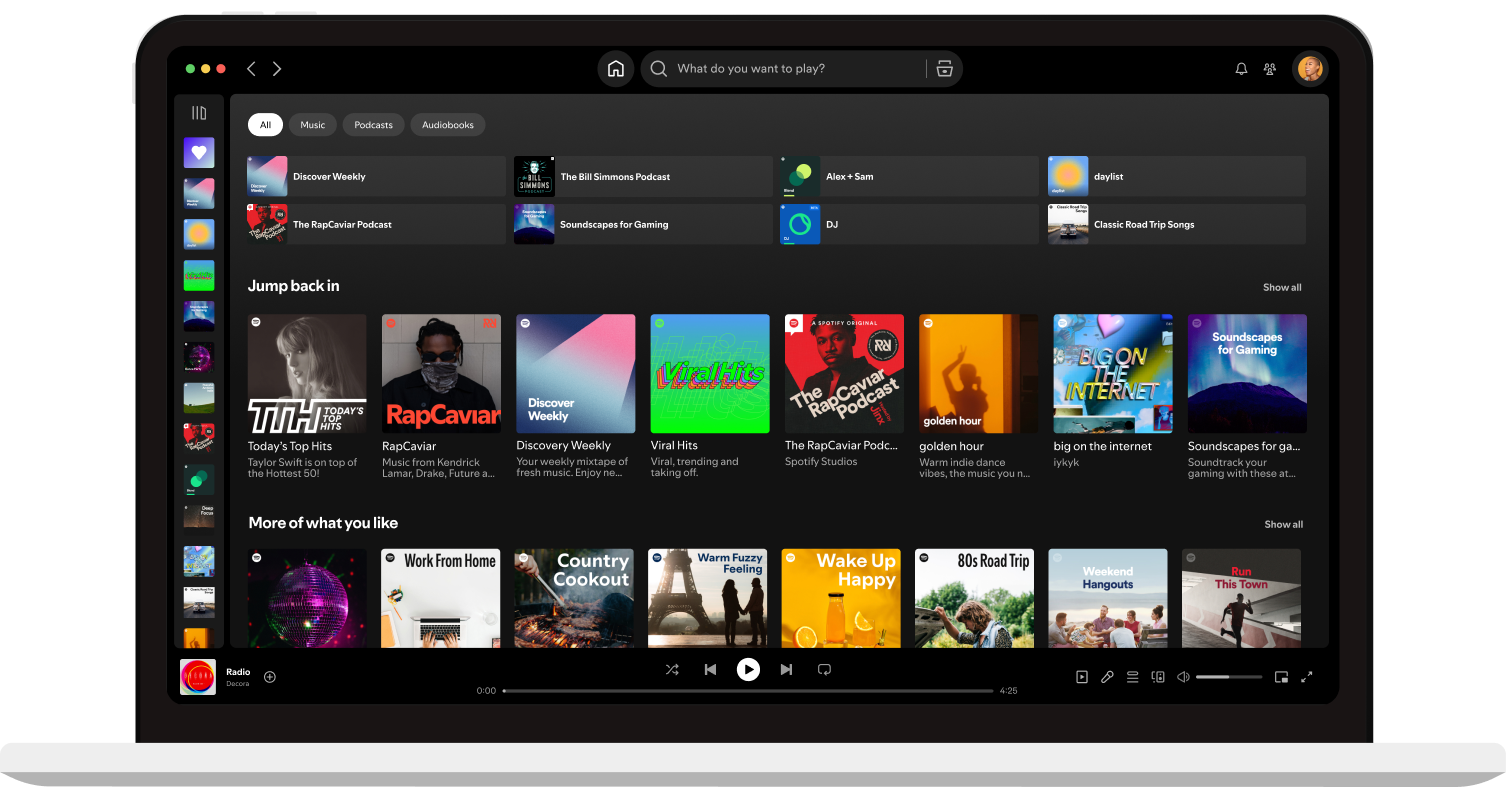
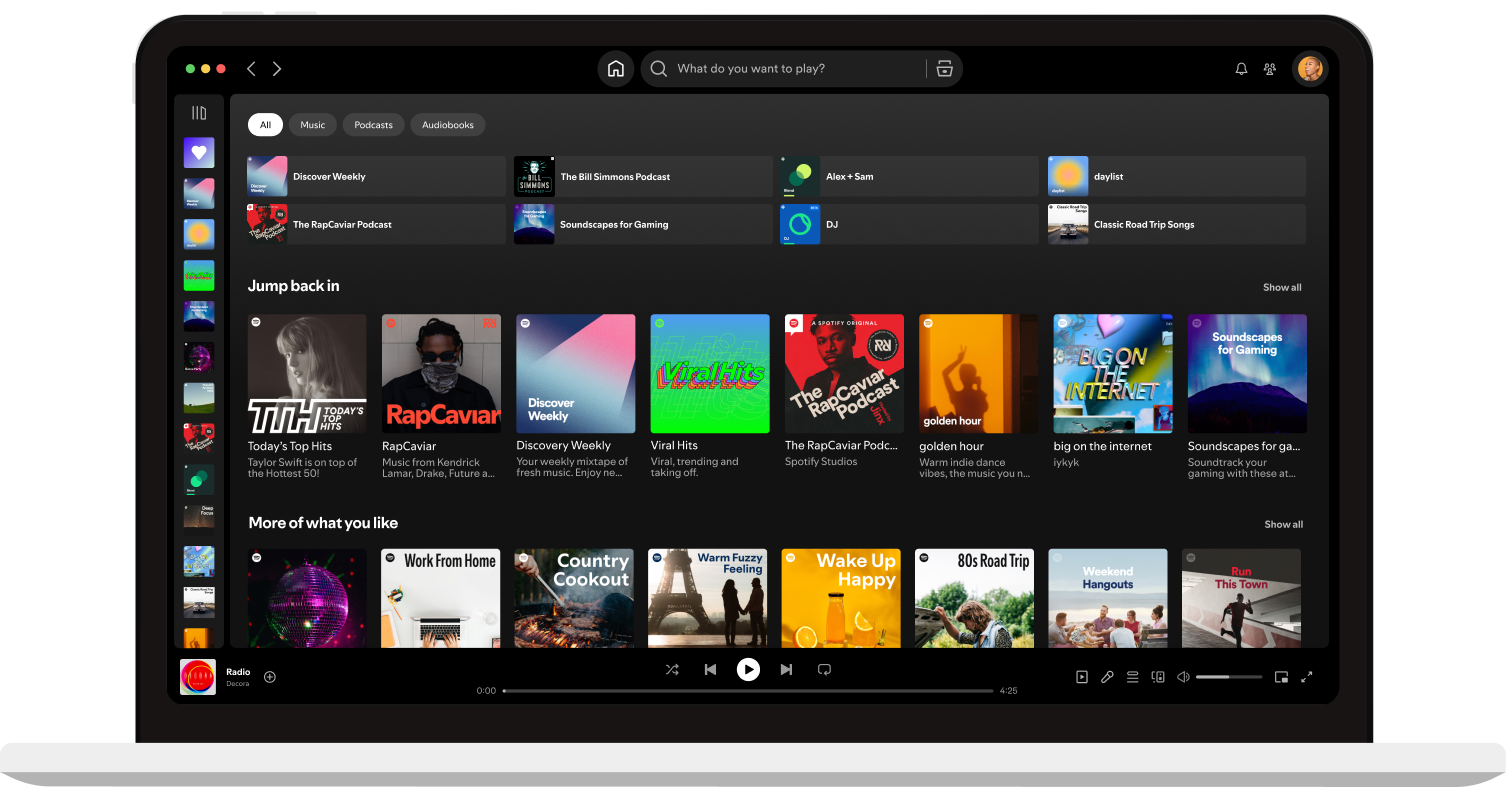
The introduction of Spotify changed music consumption from ownership to access, allowing users to stream millions of tracks without the need for physical purchases. This model has not only made music more accessible to audiences around the globe but has also facilitated the rise of independent artists who can now reach listeners without the backing of major record labels. Notably, Spotify’s algorithms curate personalized playlists, enhancing user experience and discovery. ‘Discover Weekly’ and ‘Release Radar’ are perfect examples of how algorithms can introduce users to new music tailored to their tastes.
The Business Model and Revenue Generation
Spotify operates on a freemium model, offering both a free tier supported by ads and a premium subscription service. This model has proven to be a double-edged sword for the music industry. While it has led to increased revenues from streaming, concerns over low per-stream payouts to artists have persisted. According to recent reports, musicians receive an average of $0.003 to $0.005 per stream, leading to debates about fair compensation and sustainability in the music industry. The platform has since responded by launching initiatives to promote and support emerging artists.
Future Trends and Developments
Looking ahead, Spotify’s influence in the music industry is likely to continue to grow. Recent endeavours into podcasting have shown the platform’s ambition to diversify content and engage users beyond music. As of early 2023, Spotify invested heavily in exclusive podcast deals, amassing a vast library that has attracted millions of listeners. Additionally, the integration of social features within the app reflects changing user preferences and allows a community-driven experience.
Conclusion
In summary, Spotify has revolutionised how music is consumed and distributed, creating both opportunities and challenges within the industry. Its ability to adapt to emerging trends—like podcasting and social interactivity—will likely shape the future landscape of music consumption. For artists, navigating this new terrain requires a strategic approach to leverage Spotify’s vast reach effectively, ensuring they not only gain exposure but also fair compensation for their work. As Spotify continues to expand and innovate, its role in the music industry remains a pivotal story to follow.