The Significance of the Winter Olympics Medal Table
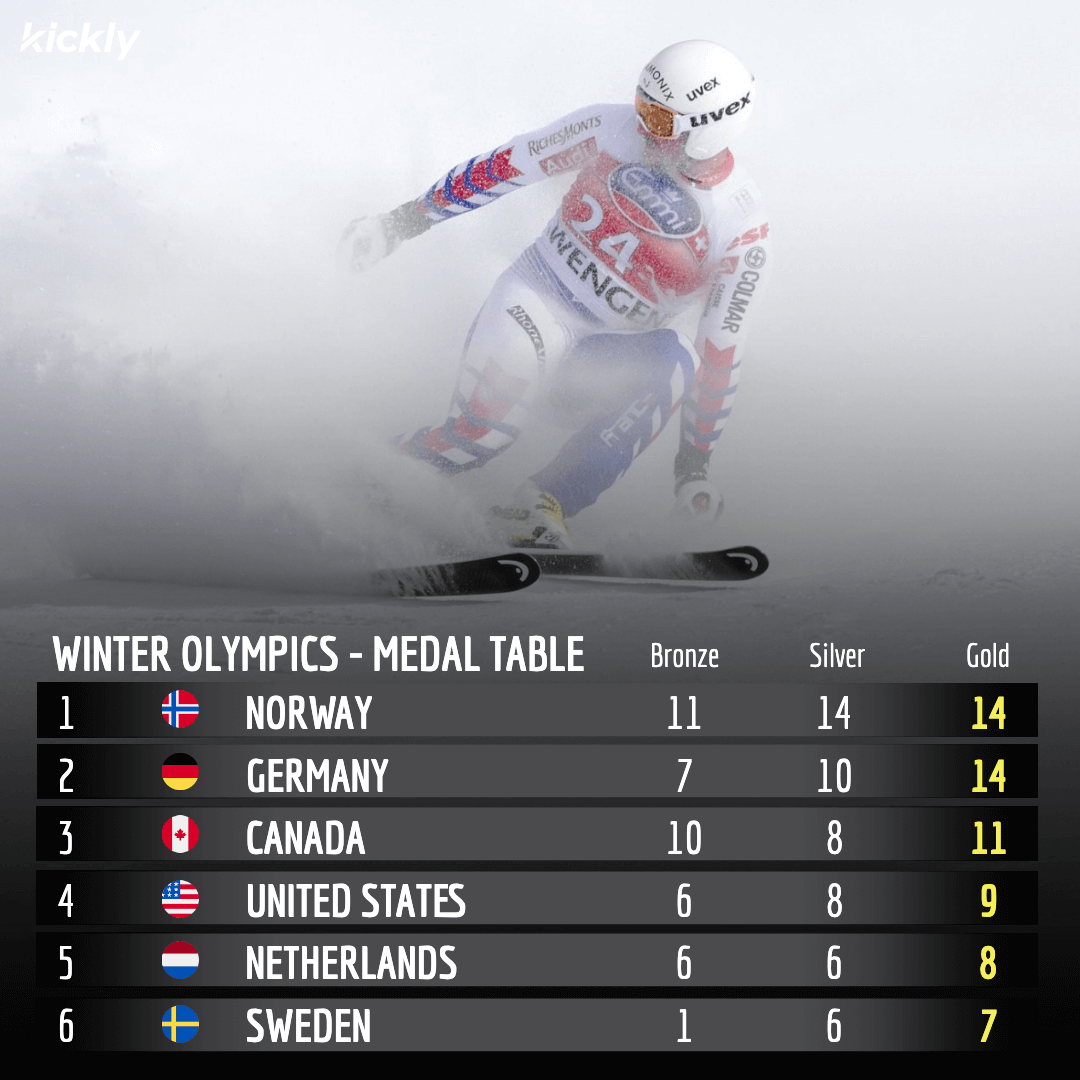
The Winter Olympics is a major international sporting event that gathers athletes from around the globe to compete in various winter sports disciplines. Understanding the medal table is crucial for appreciating the achievements of competing nations and tracking shifts in dominance during the games. The medal table not only reflects individual performance but also serves as an indicator of a country’s investment in sports and its ability to inspire and train elite athletes.
2022 Winter Olympics Medal Table Breakdown
The 2022 Winter Olympics, held in Beijing from February 4 to February 20, featured an impressive 109 events across 15 sports. The medal table saw Norway leading with a remarkable total of 37 medals, including 16 golds. Germany followed closely, securing 27 medals, with the United States coming in third with 25 medals. This event showcased fierce competition among countries, with several first-time medallists and notable upsets throughout the games.
Key Highlights and Performances
Norway’s dominance at the Winter Olympics is attributed to its prowess in cross-country skiing and biathlon, where they collected numerous medals. Additionally, the emergence of youth athletes, particularly in sports like freestyle skiing and snowboarding, generated excitement and set the stage for future competitions. Countries such as China and the Netherlands also made headlines with excellent performances in short track speed skating and speed skating respectively, reflecting a growing investment in winter sports.
The Broader Impact of the Medal Table
The Winter Olympics Medal Table offers more than just numbers; it reflects national pride and unity. The success of athletes often galvanises public support for winter sports, leading to increased funding and participation in grassroots programmes. Furthermore, the TV viewership and international spotlight can boost tourism and stimulate local economies surrounding the event.
Conclusion
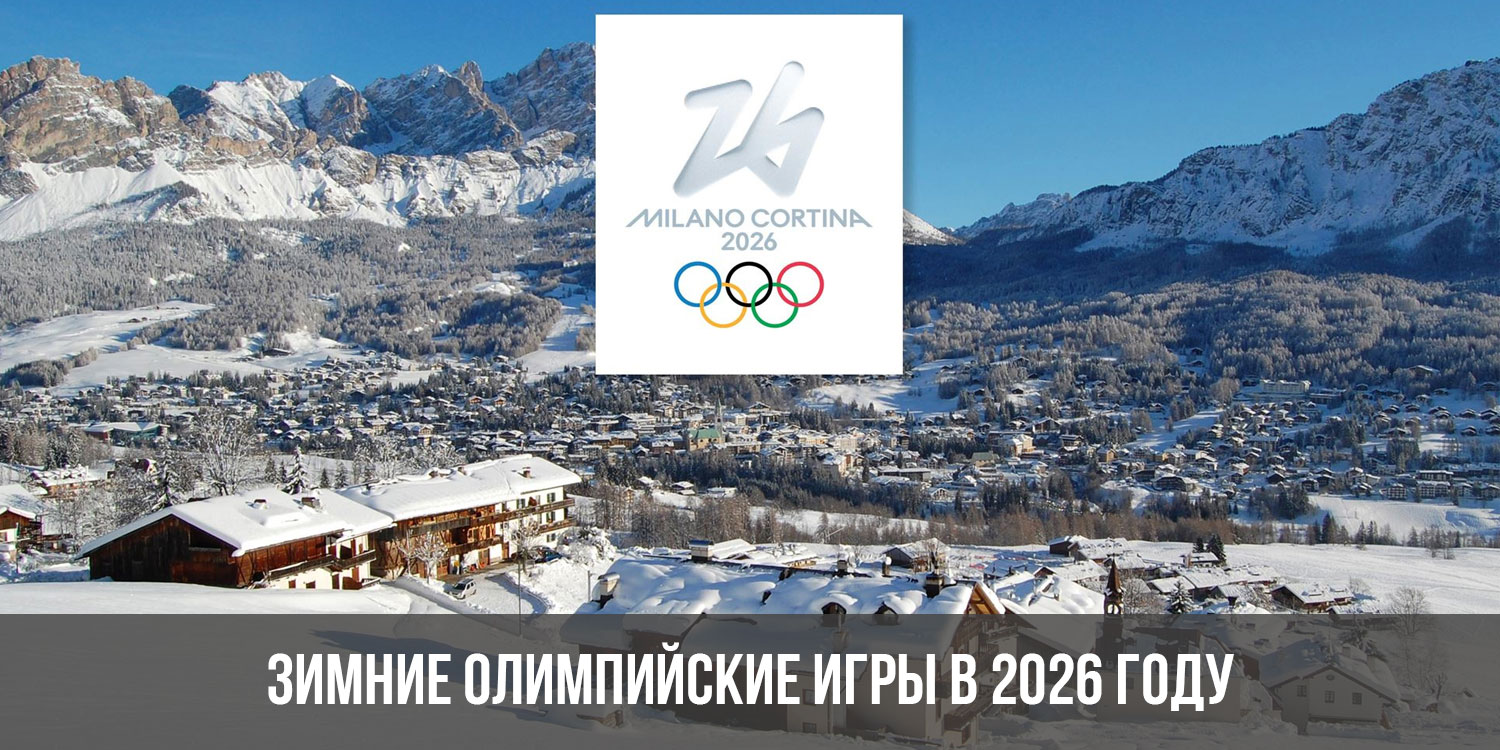
The 2022 Winter Olympics Medal Table serves as a barometer for national sports development and international competition. The results not only highlight the top performers of the event but also foreshadow future trends in elite winter sports. As nations prepare for upcoming competitions, including the next Winter Olympics in Milan-Cortina in 2026, the insights gleaned from the medal table will guide countries in addressing their strengths and weaknesses. For sports enthusiasts, keeping an eye on these developments will be essential as athletes aim for glory in the ever-competitive landscape of winter sports.