The Importance of Lunar New Year Animals
Lunar New Year, a major festival that marks the start of the new year on the lunar calendar, is celebrated by millions around the world, particularly in China and other East Asian countries. Each year is associated with one of the twelve zodiac animals, which not only influences people’s personalities but also shapes cultural festivities, traditions, and even horoscopes. Understanding these animals is essential for comprehending the cultural significance behind the celebrations.
Overview of the Twelve Animals
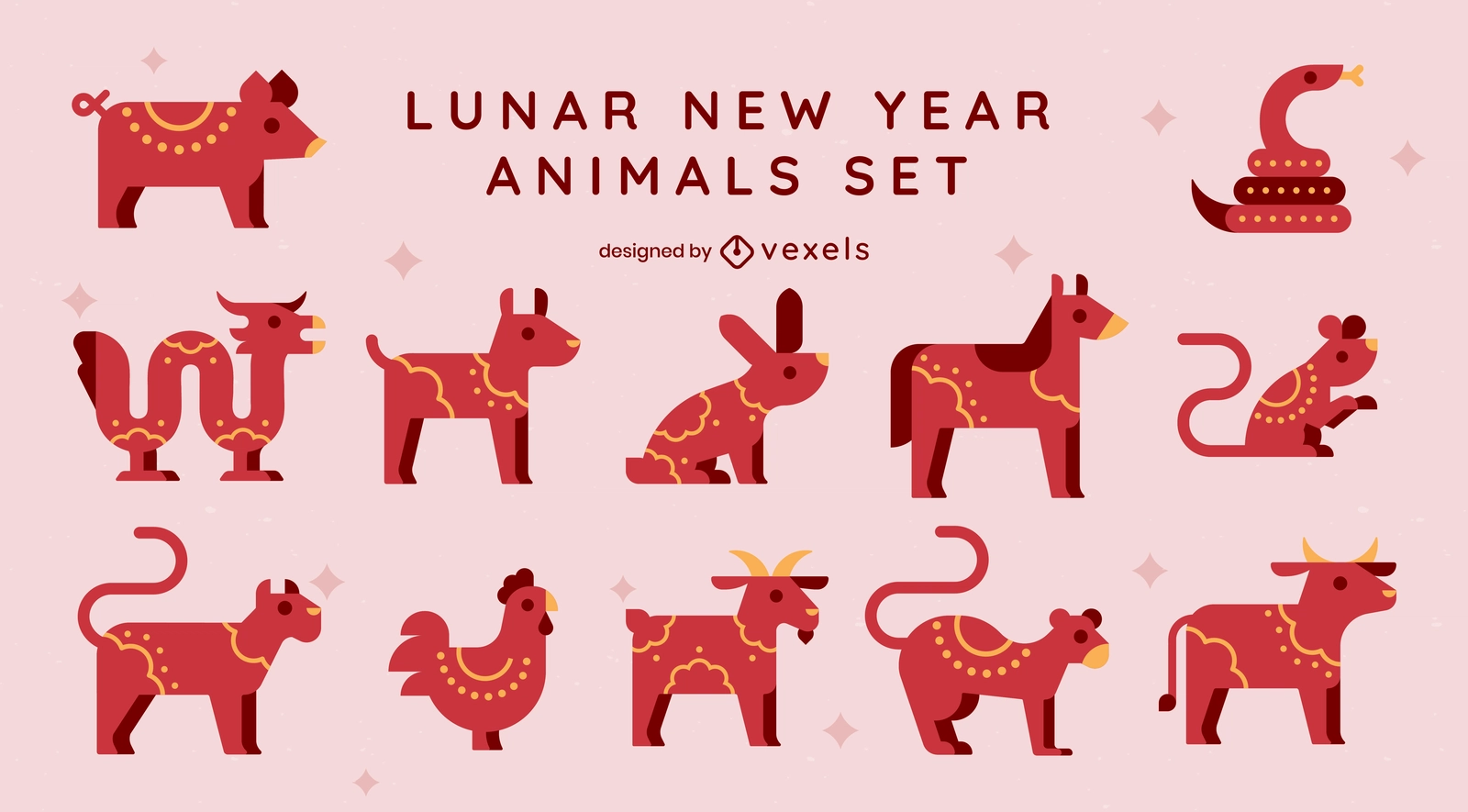
The twelve animals of the Chinese zodiac are Rat, Ox, Tiger, Rabbit, Dragon, Snake, Horse, Goat (Sheep), Monkey, Rooster, Dog, and Pig. Each animal has unique characteristics that reflect the traits of individuals born in their respective years. For example, those born in the Year of the Rat are perceived as intelligent and resourceful, while Ox people are often seen as diligent and dependable.
Current Year: The Year of the Rabbit
As of January 2023, we are in the Year of the Rabbit, which represents peace and prosperity. The Rabbit is the fourth animal in the zodiac cycle and is considered a symbol of good luck and tranquillity. This year’s celebrations emphasised family reunions, lavish banquets rich in traditional foods, and vibrant festivities featuring dragon and lion dances, which are believed to ward off evil spirits.
Significance of the Celebrations
During the Lunar New Year, families engage in numerous rituals that pay homage to their ancestors and express hopes for a prosperous year ahead. Red decorations, symbolising luck and happiness, fill households, and everyone participates in activities like setting off fireworks and giving red envelopes (hongbao) containing money to children and unmarried adults as a gesture of good fortune.
Cultural Impact and Future Outlook
The zodiac animals serve not only as a means of cultural identity but also as a way to convey morals and values. Each animal’s traits offer insight into the desired characteristics for the coming year, guiding individuals in their aspirations. As globalization continues to grow, we can expect an increasing appreciation and recognition of Lunar New Year celebrations among diverse cultures, allowing the rich heritage to thrive in an interconnected world.
Conclusion
The Lunar New Year animals are more than just symbolic representations; they are integral to understanding the beliefs and practices that shape the lives of millions. As we embrace each new year, we celebrate the traits of the corresponding animal and reflect on how they influence our personal and communal lives. The ongoing enthusiasm for these traditions highlights their relevance, promising a brighter future filled with shared cultural experiences.