Introduction
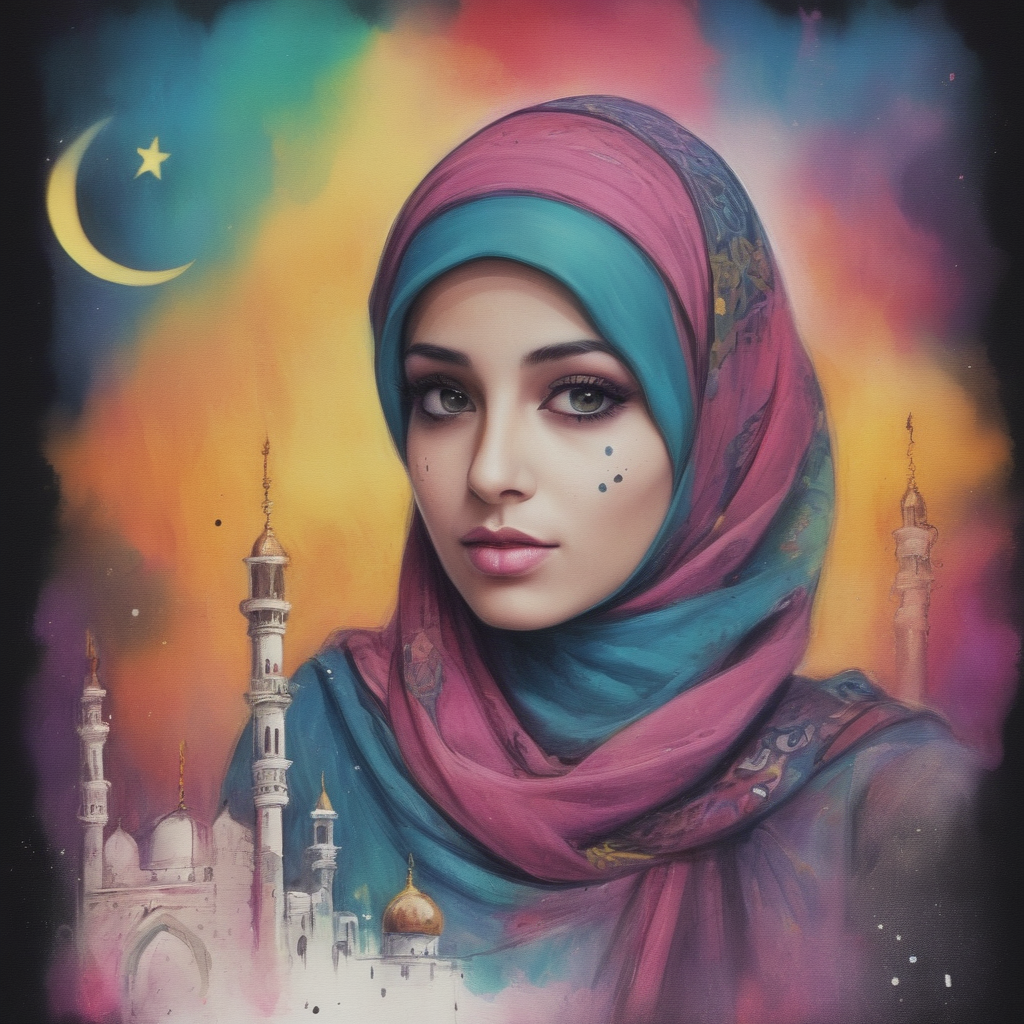
Ramadan Mubarak is a traditional greeting exchanged by Muslims to wish one another a blessed and fruitful month of Ramadan. This period, observed by millions around the world, holds immense religious significance as it commemorates the month in which the Quran was revealed to the Prophet Muhammad. With fasting, prayer, reflection, and community involvement, Ramadan is a time for spiritual growth and self-discipline, reinforcing bonds among Muslims both socially and spiritually.
Details of Ramadan Celebration
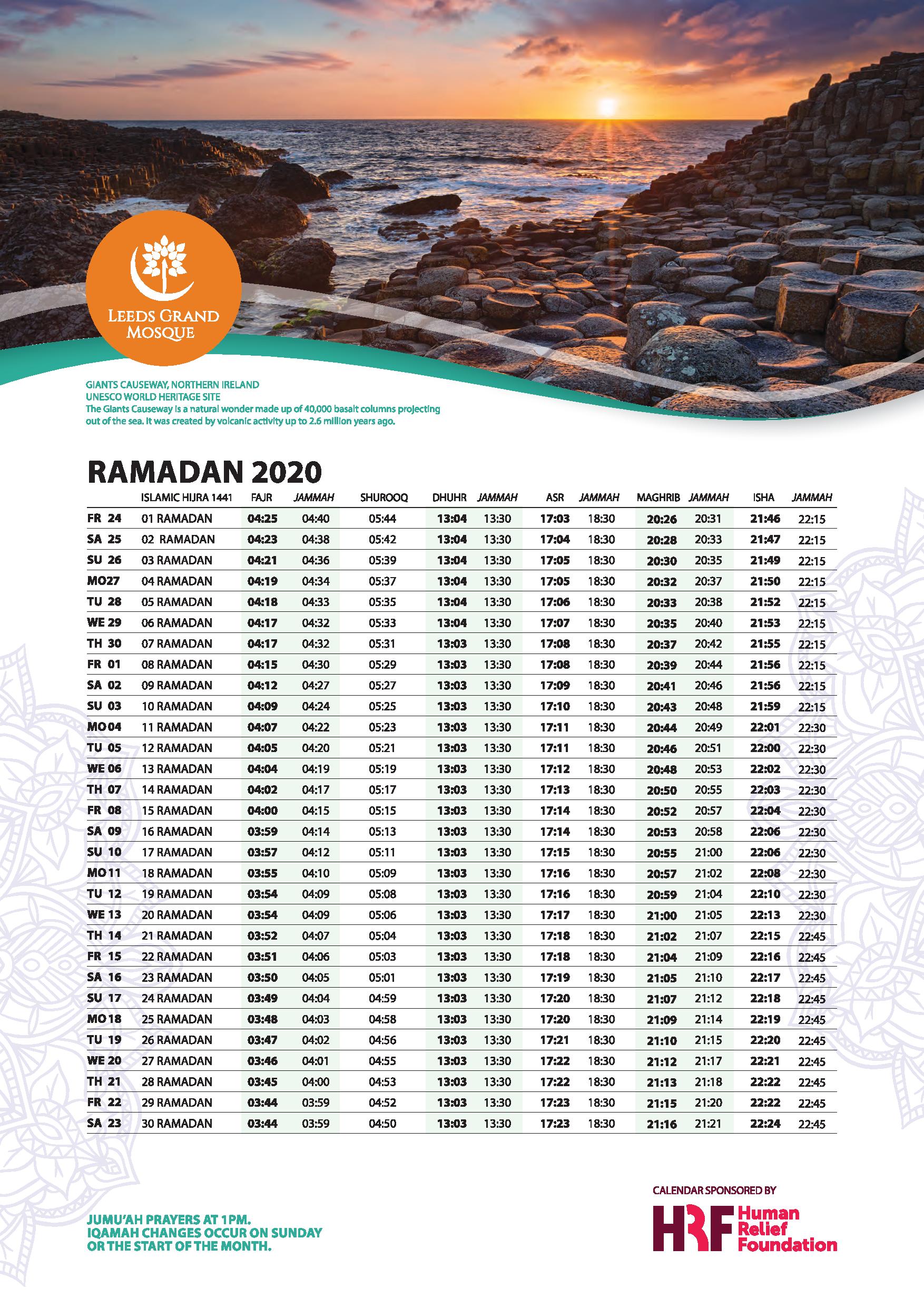
The month of Ramadan lasts for 29 or 30 days, depending on the sighting of the moon. Fasting from dawn until sunset is one of the Five Pillars of Islam, making it a fundamental characteristic of the observance. This year, Ramadan began on the evening of March 22 and will conclude with the celebration of Eid al-Fitr around April 21, marking the end of fasting.
During the day, Muslims refrain from eating and drinking, which acts as a reminder of the need to practice self-control, gratitude, and empathy for the less fortunate. The fast is broken each evening with a meal known as iftar, traditionally started with dates and water followed by a larger meal. Many individuals also seek to attend nightly prayers called Tarawih at local mosques, enhancing the communal aspect of the holy month.
Community and Charity
Charity plays a pivotal role during Ramadan. It is a time to give back to the community through acts of kindness, donations, and supporting various charitable initiatives. Organizations often ramp up their fundraising efforts during this time, encouraging communal efforts to extend aide to underprivileged communities. The practice of giving, especially through Zakat (mandatory almsgiving), is emphasized even more profoundly during this holy month.
Conclusion
As Ramadan Mubarak unfolds, it is more than just a period of fasting; it represents a cycle of spiritual rejuvenation, community bonding, and remembrance. The essence of this month extends beyond personal sacrifice, encouraging Muslims worldwide to develop better relationships with their faith, community, and fellow beings. As nations gradually emerge from the pandemic’s constraints, this year’s Ramadan Mubarak is anticipated to be richer in communal gathering and celebration, providing hope and togetherness once again. For many Muslims, the lessons from Ramadan continue to influence their practices long after the month ends, reinforcing the values of kindness, compassion, and charity throughout the year.