Introduction
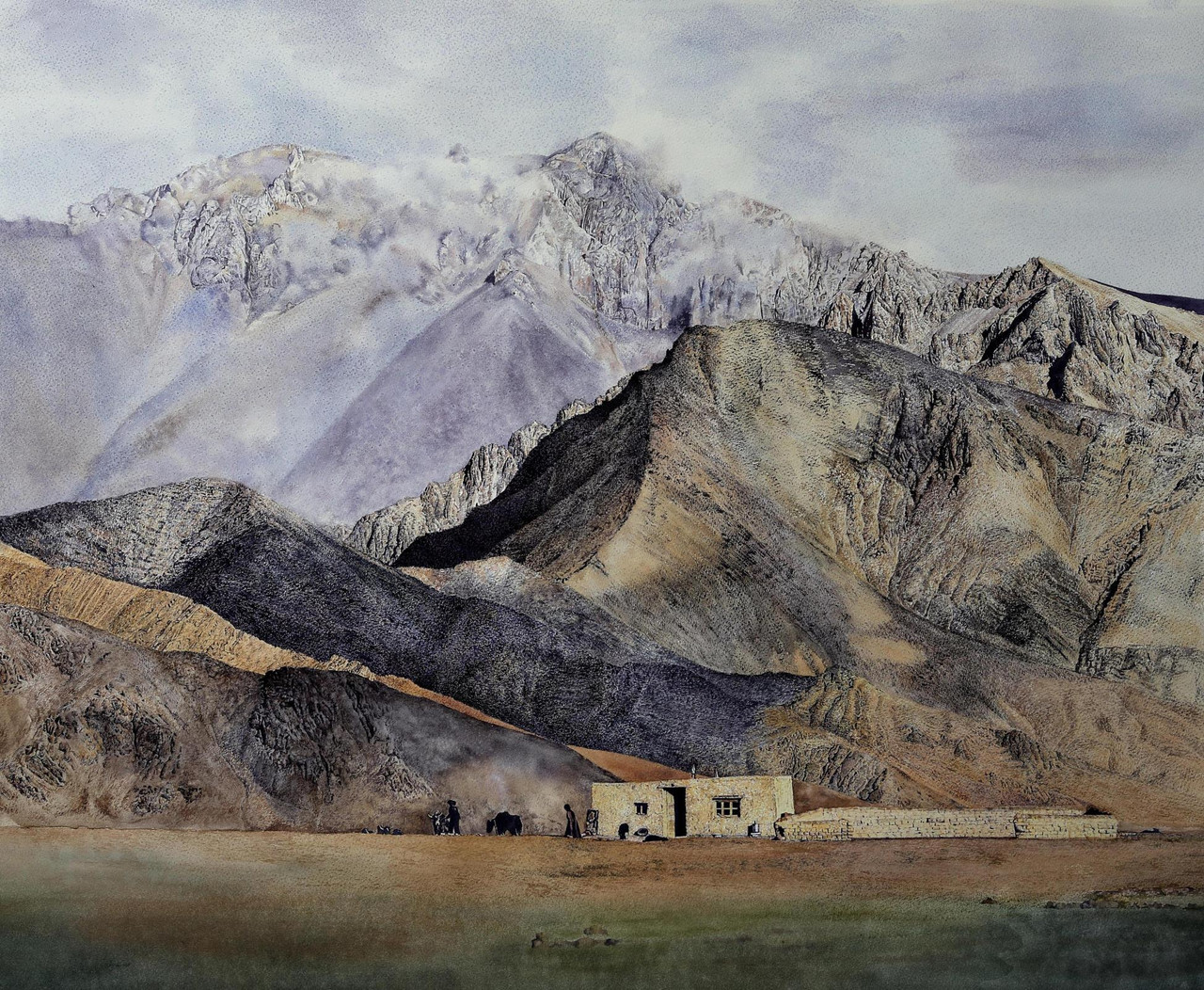
Tibet, often referred to as the ‘Roof of the World,’ is an autonomous region in China known for its breathtaking landscapes, unique cultural heritage, and rich history. With its vast plateaus and towering mountains, including Mount Everest, Tibet holds significant geographical and spiritual importance. However, in recent years, the region has sparked global discussions about human rights, cultural preservation, and environmental challenges, making it a topic of increasing relevance.
Cultural Heritage
The Tibetan culture is deeply rooted in Buddhism, which has greatly influenced its art, festivals, and daily life. Key landmarks, such as the Potala Palace in Lhasa, are not only architectural marvels but also symbols of Tibetan identity. Tibetan Buddhism remains a cornerstone of society, with many practicing meditation and engaging in traditions that have persisted for centuries. Festivals like Losar, the Tibetan New Year, showcase vibrant customs and community spirit.
Current Challenges
Despite its rich heritage, Tibet faces numerous challenges, particularly regarding human rights and cultural suppression. Reports from various human rights organisations indicate that restrictions have significantly increased on religious practices, freedom of expression, and cultural expression. In recent years, the Chinese government has implemented policies aimed at assimilation, causing concern for the loss of Tibetan language and traditions.
Moreover, environmental issues, such as climate change and resource exploitation, threaten the fragile ecosystem of the Tibetan Plateau. This region is vital for several major rivers that flow into Asia, and any changes could have widespread effects on countries downstream.
International Attention
The situation in Tibet has garnered international attention, with numerous activists and organisations advocating for Tibetan rights. Governments and NGOs continue to lobby for improved conditions and preservation of cultural heritage. The Tibetan issue also plays a significant role in international relations, particularly between China and Western nations, where discussions on human rights are often contentious.
Conclusion
The future of Tibet is a complex intersection of cultural resilience and political struggle. As global awareness continues to grow, there is hope that efforts to safeguard Tibetan identity and address environmental sustainability will strengthen. For readers, understanding the challenges faced in Tibet is essential not only for appreciating its rich culture but also for recognising the broader implications of human rights and environmental stewardship across the globe.