Introduction
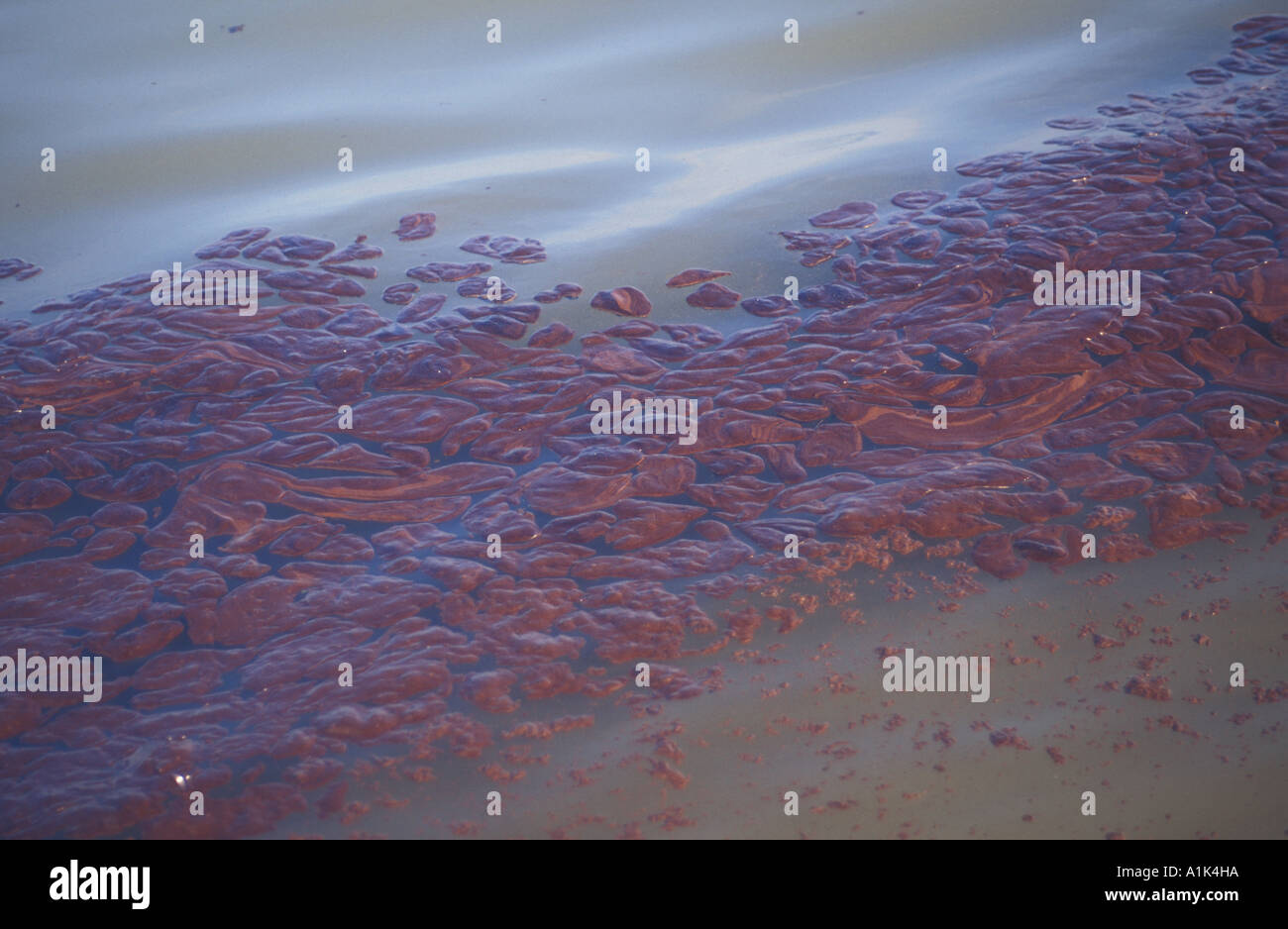
On February 15, 1996, the Sea Empress, an oil tanker, ran aground off the coast of Pembrokeshire, Wales, leading to one of the most significant environmental disasters in British history. The incident resulted in the release of approximately 72,000 tonnes of crude oil into the sea. The spill had a devastating impact on marine life, the local economy, and pollution control measures, highlighting the importance of maritime safety and environmental conservation.
The Incident
The Sea Empress was en route to Milford Haven when it struck rocks near the entrance to the harbour. Poor weather conditions and human error contributed to the accident, which caused a massive oil leak. Emergency services and local authorities responded swiftly, implementing clean-up operations that lasted several months. However, the immediate aftermath revealed extensive ecological damage, killing thousands of birds and various marine species.
Environmental Impact
The oil spill released a toxic mixture that severely impacted the biodiversity of the area. Studies indicated that approximately 6,000 seabirds perished as a direct result of the spill, while fish populations around the affected area suffered significantly due to oil contamination. Local fisheries faced severe restrictions, adversely affecting the livelihoods of fishermen and related businesses.
Long-term Consequences
Years after the incident, researchers continued to find traces of oil on the seabed, indicating long-lasting effects on the marine environment. The spill prompted discussions about the robustness of maritime regulations and the preparedness of oil tankers for unforeseen accidents. As a result, stricter regulations were introduced to enhance maritime safety and oil spill response strategies.
Conclusion
The Sea Empress oil spill remains a critical case study in environmental management and disaster response. While significant improvements have been made in oil spill prevention, lessons from the Sea Empress disaster highlight the continuing need for vigilance in maritime operations. Ongoing efforts to restore affected habitats and monitor the health of marine ecosystems are crucial for preventing future incidents and protecting coastal communities for generations to come.