Introduction
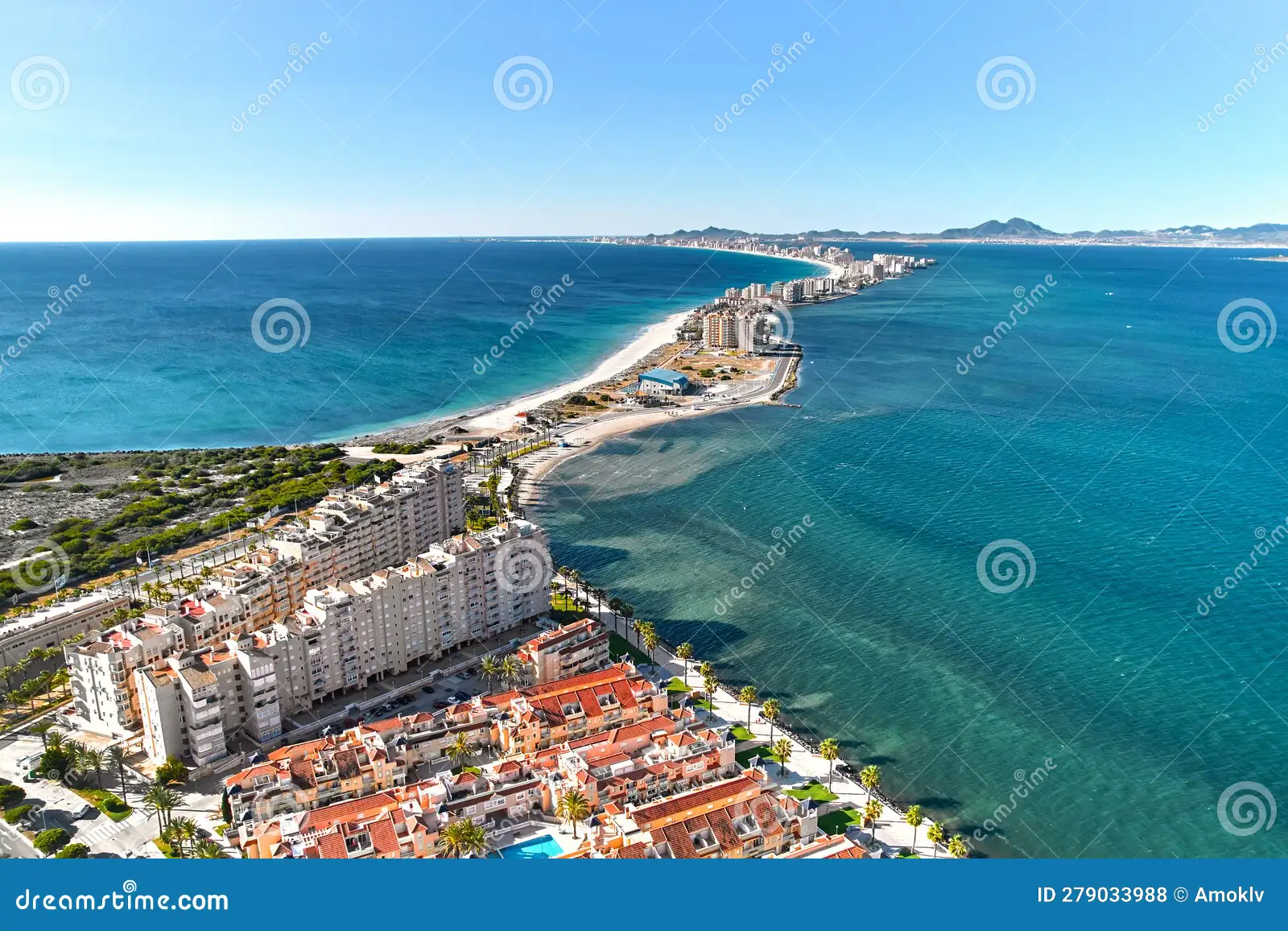
The Mar Menor, a large coastal saltwater lagoon located in southeastern Spain, is a remarkable natural formation that plays a crucial role in the region’s biodiversity and tourism. Covering an area of approximately 170 square kilometres, this unique ecosystem has been a popular destination for both locals and tourists drawn to its distinct characteristics, such as warm shallow waters and rich marine life. However, the lagoon is facing significant environmental threats, making its preservation more crucial than ever.
Current Challenges
In recent years, the Mar Menor has encountered various environmental challenges, primarily due to agricultural runoff, urban development, and climate change. The usage of fertilisers and pesticides in adjacent agricultural lands has led to increased nutrient pollution, resulting in eutrophication. This phenomenon not only degrades water quality but also causes harmful algal blooms that threaten aquatic life.
Moreover, the illegal construction along its shores has further exacerbated the ecological damage, disrupting the natural habitats of various species. A recent report by environmental organisations indicates that the Mar Menor is losing its biodiversity at an alarming rate, affecting both marine flora and fauna.
Conservation Efforts and International Attention
In response to these pressing issues, conservation groups and local authorities are working together to implement various measures aimed at safeguarding the Mar Menor’s ecosystem. Initiatives include stricter regulations on agricultural practices, increased monitoring of water quality, and the establishment of protected areas to preserve critical habitats.
International attention has also been drawn to the Mar Menor, with the European Union highlighting the significance of preserving this unique lagoon. In 2021, the EU commissioned a study to assess the environmental status of the lagoon and propose further measures to mitigate the impacts of pollution and ensure the sustainability of the area.
Conclusion
The Mar Menor stands as an ecological treasure that is at risk due to human activity and climate challenges. The initiatives undertaken by local authorities and international bodies provide a glimmer of hope for the preservation of this vital lagoon. It is imperative for both residents and visitors to engage in responsible behaviour to help protect the Mar Menor for future generations. Looking forward, the fate of this unique ecosystem rests on ongoing efforts to strike a balance between environmental conservation and the pressing demands of coastal tourism and agriculture.