Introduction
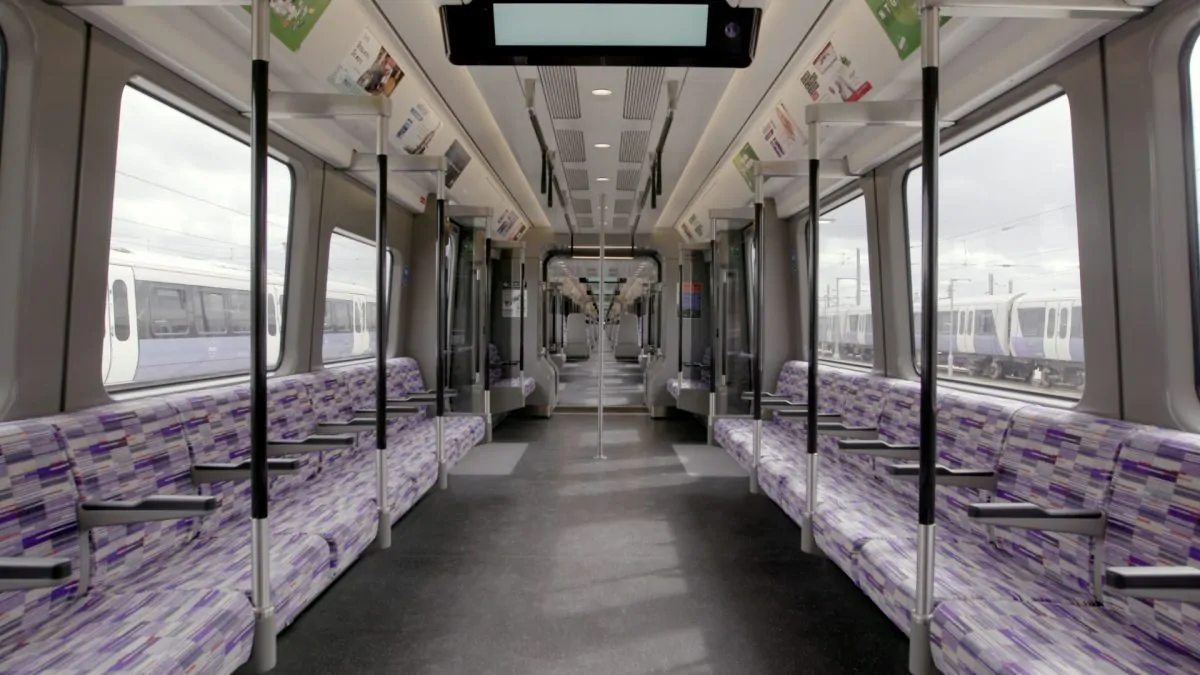
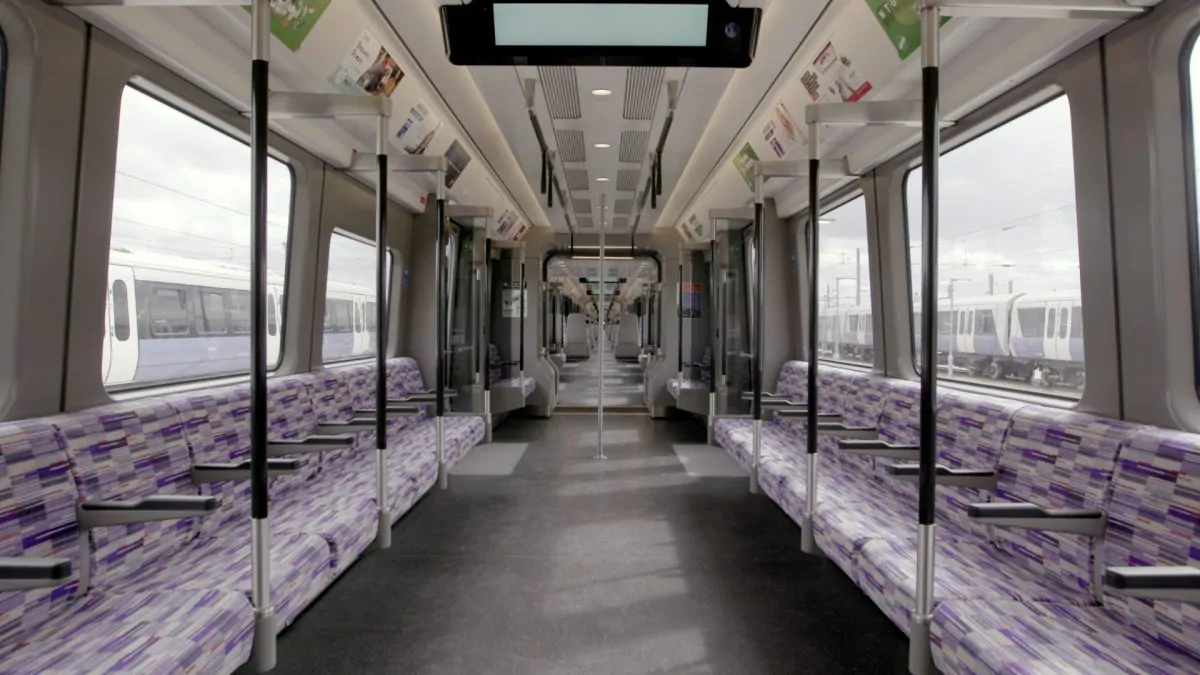
The Elizabeth Line, officially opened in May 2022, represents a significant advancement in London’s transport infrastructure. Named after Queen Elizabeth II, this new railway line links key areas of London and the surrounding regions, facilitating seamless travel across the capital and beyond. With its extensive network, the Elizabeth Line is expected to play a critical role in reducing congestion on existing transport routes and boosting local economies.
Key Features and Benefits
The Elizabeth Line spans over 100 kilometres, running from Reading and Heathrow in the west to Shenfield and Abbey Wood in the east. This new line includes 41 stations, with ten new stations specifically constructed for this service. One significant advantage of the Elizabeth Line is the integration of various transport systems. The line connects with the London Underground, London Overground, and other National Rail services, providing enhanced accessibility for millions of commuters.
Another important feature of the Elizabeth Line is the introduction of more frequent services. Trains run every five minutes during peak times, significantly reducing waiting times for passengers. The journey from Paddington to Canary Wharf, for instance, takes only 17 minutes, compared to over 30 minutes via traditional routes.
Recent Developments
Since its opening, the Elizabeth Line has already seen a rapid increase in usage. Transport for London (TfL) reported that passenger numbers have consistently risen, with over 10 million journeys recorded in just the first few months of operation. This surge reflects the line’s immense popularity and the demand for efficient public transport in London.
Moreover, the Elizabeth Line has been hailed as an important factor in post-pandemic recovery efforts. As more commuters return to offices and businesses reopen, the new line is crucial for easing transport pressures and promoting economic growth in various boroughs.
Conclusion
In summary, the Elizabeth Line is poised to redefine travel in London. With improved travel times, enhanced connectivity, and supporting local economies, it marks a new chapter in London’s transport history. As the city continues to grow, the successful integration of such transport solutions will be vital in facilitating the needs of its populace while managing the complexities of urban mobility. Looking ahead, the ongoing success of the Elizabeth Line could inspire further investments in Britain’s rail infrastructure, cementing London’s position as a leader in urban transport innovation.