Introduction
Spotify has become a household name since its launch in 2008, revolutionising the way we consume music. As the leading music streaming service globally, it boasts over 500 million active users and has transformed the music industry landscape. This article explores Spotify’s significance and its influence on artists, listeners, and the broader industry.
Innovative Features and User Experience
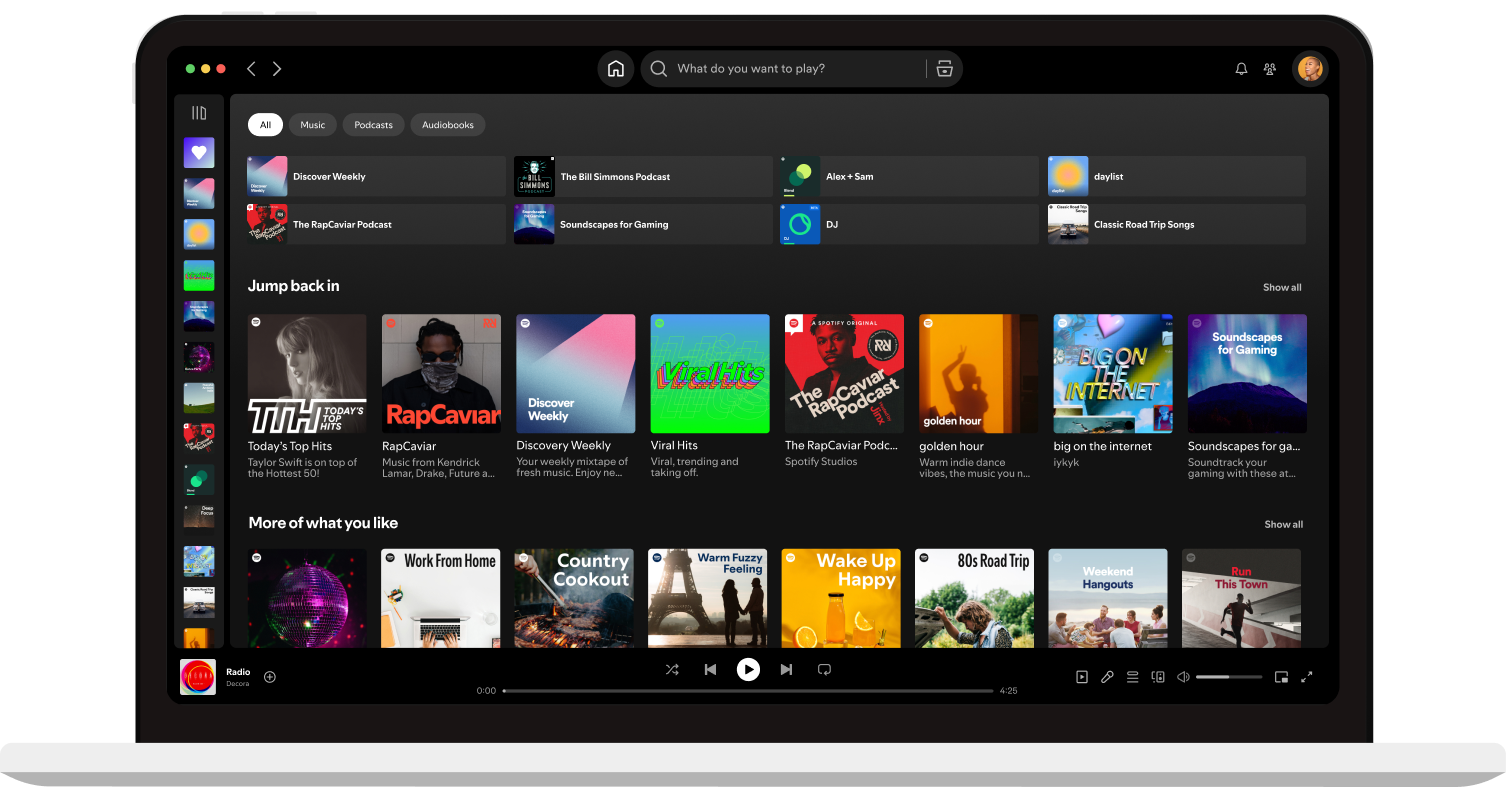
Spotify’s user-friendly interface and innovative features have set it apart from its competitors. With curated playlists, algorithm-driven recommendations, and the ability to create and share personal playlists, Spotify engages its audience more than ever. Spotify Wrapped, an annual showcase of users’ listening stats, has become a cultural phenomenon, fostering community and user engagement. Furthermore, the platform continues to expand its offerings by integrating podcasts, strengthening its position as a comprehensive audio streaming service.
Impact on Artists and the Industry
Spotify has changed how independent and major artists distribute and monetise their music. Prior to streaming platforms, traditional sales methods dominated the market. Now, streaming accounts for over 80% of the music industry’s revenue. Although this shift provides wider reach for artists, it has sparked debates regarding fair compensation. Spotify pays artists through a per-stream model, leading to concerns among creators about the sustainability of their income in the long term. In response, Spotify has introduced features like Spotify for Artists, enabling musicians to track their metrics and reach their audiences more effectively.
Current Events and Future Prospects
With ongoing advancements in technology and user experience, Spotify remains at the forefront of the music streaming landscape. Recent partnerships with platforms like TikTok and advancements in artificial intelligence showcase the company’s commitment to enhancing user engagement while attracting younger audiences. As the competition intensifies with platforms like Apple Music and Amazon Music, Spotify must innovate continually to maintain its market lead.
Conclusion
Spotify’s influence on the music industry cannot be overstated. It has shifted how music is accessed, consumed, and monetised, presenting both opportunities and challenges for artists. With a commitment to evolving its platform, Spotify will continue to shape the musical landscape, enhancing user experience while navigating the complexities of artist compensation. As the future of music streaming unfolds, Spotify’s role will likely remain significant, making it crucial for listeners and artists alike to stay informed about these developments.