BBC Considers Licence Fee Replacement
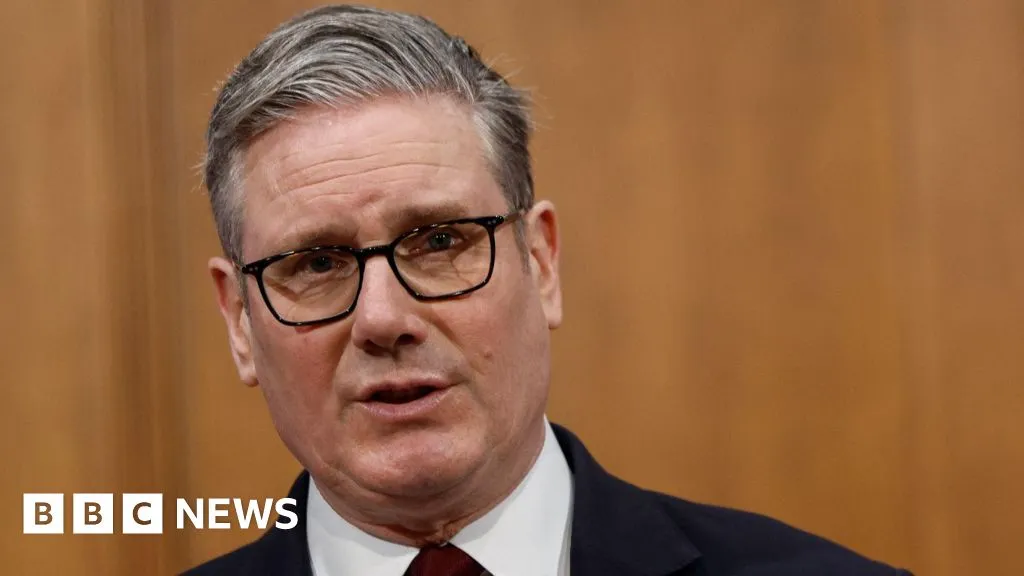
“The choice is clear: back the BBC or watch it decline, the status quo is not an option,” stated Tim Davie, the Director-General of the BBC, as the organization explores alternatives to its traditional funding model.
The BBC is contemplating the scrapping of the licence fee, which has been in place since 1946, when it was introduced at a cost of just £2. Currently, the fee is set to rise to £180 in April 2026, but the BBC aims to save £500 million over the next two years amid rising operational costs.
One proposed alternative is a household levy that could be collected through council tax. This model is under consideration as the BBC grapples with the reality that unpaid fees cost the organization over £1 billion last year, while the licence fee generated £3.8 billion in revenue.
Davie emphasized the need for a new approach, acknowledging that the BBC cannot continue to ask households to pay an increased licence fee annually without addressing the inflationary pressures on programme-making costs.
In recent years, the number of active licence fees has decreased from 26.3 million to 23.8 million, indicating a shift in public support for the current funding model. The BBC has ruled out introducing advertising on its main channels, seeking instead to maintain its public service ethos.
The BBC’s charter proposals also suggest incorporating citizen assemblies to allow viewers a voice in decision-making processes, reflecting a desire for greater public engagement.
As the BBC prepares for its next Royal Charter, which begins in 2028, it is clear that significant changes may be on the horizon. However, details remain unconfirmed regarding the specifics of the proposed household levy and how the government will respond to these funding changes.
Furthermore, the impact of potential changes on various demographics, including students and lower-income households, has not been fully detailed, leaving many questions unanswered about the future of BBC funding.