Changes to the Immigration System
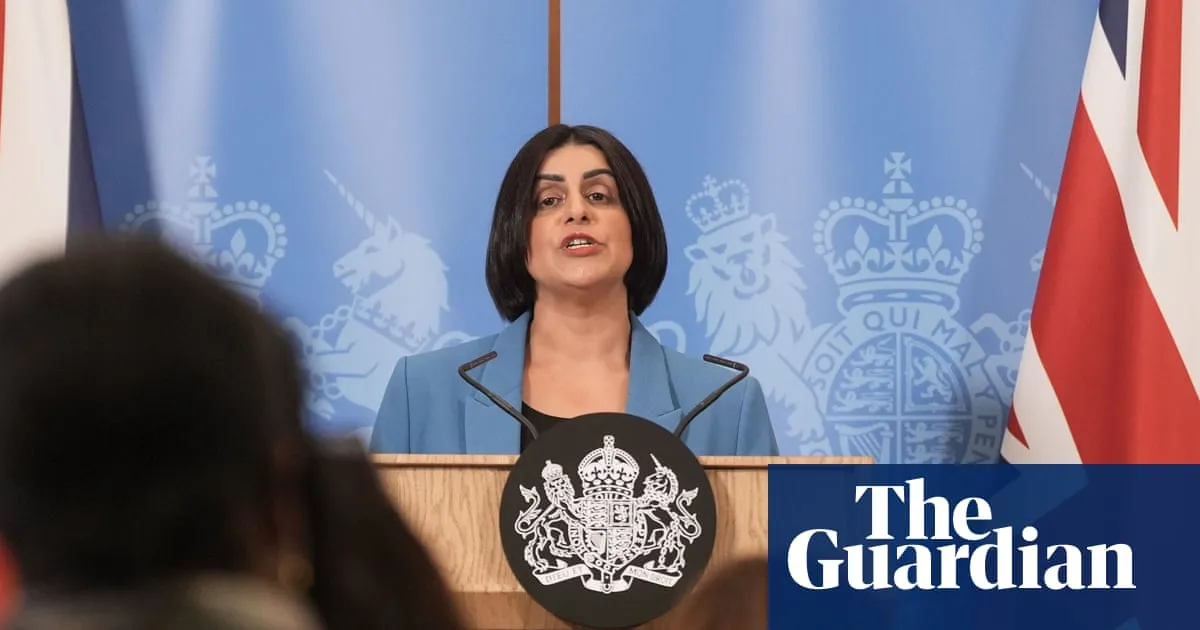
On March 5, 2026, Shabana Mahmood, a prominent member of the Labour Party, announced significant changes to the UK’s immigration system. This announcement comes in the wake of increasing pressure on the immigration framework due to rising numbers of asylum seekers and public dissatisfaction with current policies.
Mahmood’s proposals include an end to permanent refugee status, a move that has sparked considerable debate. She stated that the generosity of the British people will become conditional on those seeking asylum following the law, living by our rules, and not working illegally. This statement reflects a shift towards stricter regulations aimed at controlling immigration.
Details of the Proposed Changes
Among the key elements of Mahmood’s plan is the removal of government support from asylum seekers who break the law. Additionally, a pilot project will pay 150 families with rejected asylum claims up to £40,000 to leave the UK voluntarily. Families will have just seven days to decide whether to accept or refuse this offer, raising concerns about the adequacy of time and legal support available to them.
Furthermore, Mahmood indicated that taxpayer-funded accommodation would be reserved for those who have no right to work. This is part of a broader strategy to restore control at the border and combat the appeal of hard-right parties, such as Reform UK, which have gained traction in recent years.
Reactions and Implications
The announcement has elicited mixed reactions from various stakeholders. Conservative leader Kemi Badenoch welcomed the extension of the time period before immigrants can apply for indefinite leave to remain, indicating some support for the proposed changes. However, Labour MPs are preparing for a possible Commons rebellion against these immigration proposals, reflecting internal dissent within the party.
Critics, including refugee groups, have voiced strong opposition to Mahmood’s plans. They argue that the proposals could create chaos rather than control, particularly the provision that gives families only seven days to make life-altering decisions. Imran Hussain, a representative from a refugee organization, emphasized that this approach risks uprooting children’s lives without proper legal advice.
Current State of Affairs
As of now, some of Mahmood’s plans can be implemented without a parliamentary vote, while others will require consent from MPs. The government had previously removed expanded child detention powers from the statute book in 2025, indicating a shift in policy direction. However, the proposed changes signal a potential tightening of the immigration system, which could affect thousands of individuals seeking refuge in the UK.
The implications of these developments are significant for those involved. With around 200,000 people having come to the UK across the Channel and 100,000 currently living in asylum accommodation funded by taxpayers, the stakes are high. Mahmood’s reforms could reshape the landscape of immigration in the UK, impacting not only asylum seekers but also the broader public perception of the immigration system.