Shifts in Naval Readiness
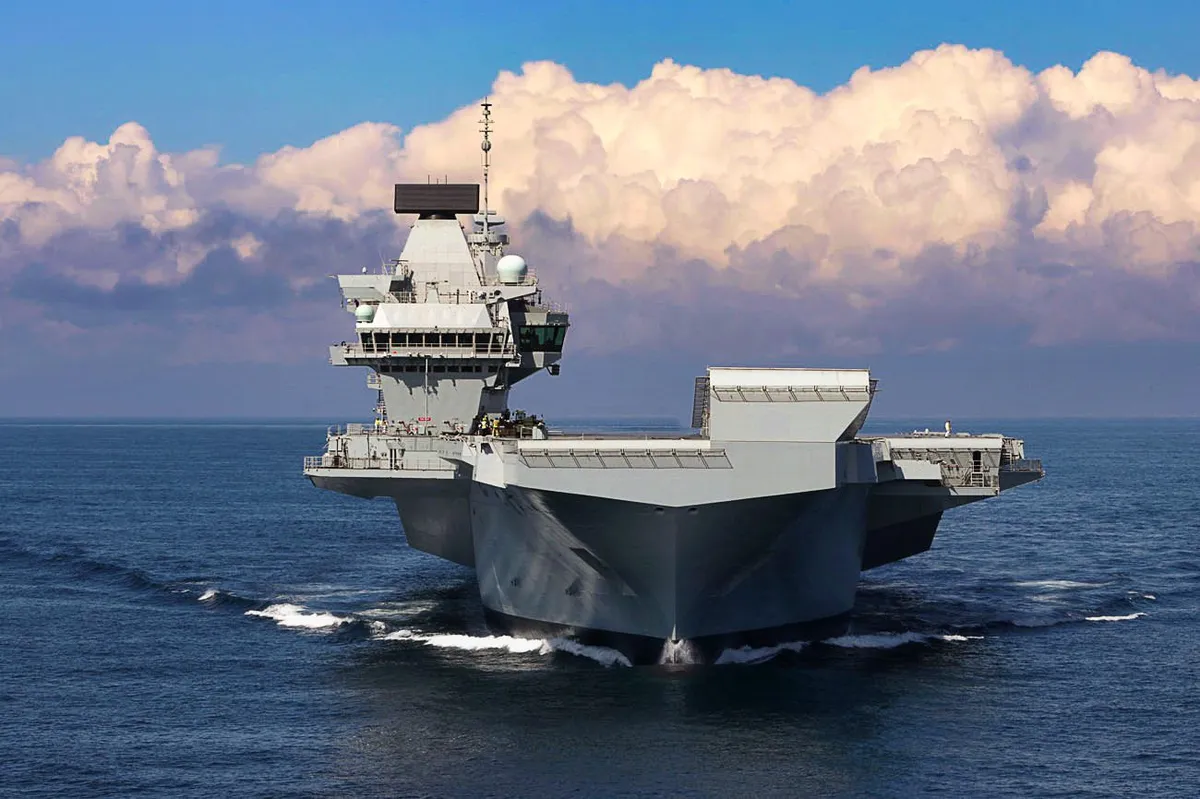
Historically, HMS Queen Elizabeth has been the flagship of the Royal Navy, representing the pinnacle of British naval power. However, recent events have shifted attention to her sister ship, HMS Prince of Wales, which is currently increasing its readiness status for potential deployment to the Middle East. This change comes as the Royal Navy seeks to bolster its military presence in the region, a move that has been ongoing since January.
Decisive Changes in Status
HMS Prince of Wales, which has a displacement of 65,000 tonnes and can carry up to 36 F-35B fighter jets, has been on very high readiness status. This readiness is underscored by the fact that she has aircraft ordnance and munitions in her magazines, preparing her for immediate operational capability. In contrast, HMS Queen Elizabeth is currently undergoing docking and certification work at Rosyth, which is running behind schedule. This delay has raised questions about her availability for upcoming missions.
Immediate Effects on Naval Operations
The operational focus on HMS Prince of Wales signifies a strategic pivot within the Royal Navy. As she prepares for deployment, the ship can accommodate a crew of up to 1,600 personnel and boasts a flight deck measuring 280 metres long and 70 metres wide. This capacity allows for extensive air operations, which are crucial for modern naval engagements. Meanwhile, the delays in HMS Queen Elizabeth’s maintenance have left her sidelined, limiting her immediate contributions to naval operations.
Expert Perspectives on the Shift
According to the Ministry of Defence, “HMS Prince of Wales has always been on very high readiness and we are increasing the preparedness of the carrier.” This statement reflects the urgency of the situation, as military readiness is paramount in a volatile geopolitical landscape. Furthermore, the Prime Minister emphasized, “We will always act in the interest of the UK and our allies,” highlighting the strategic importance of maintaining a robust naval presence.
HMS Prince of Wales is nearing the end of a maintenance period following her return from the eight-month Operation Highmast deployment in December. This operational history underlines her capabilities and readiness to respond to emerging threats. However, the uncertainties surrounding the status of Operation FIRECREST and the immediate availability of jets from 617 Squadron and 809 Naval Air Squadron add complexity to the current situation.
Uncertainties Ahead
Details remain unconfirmed regarding how many other jets are available as these squadrons regenerate after their previous deployment. Additionally, no decisions have yet been made regarding the deployment of HMS Prince of Wales, leaving the status of Operation FIRECREST somewhat in doubt. This uncertainty could impact the Royal Navy’s operational planning and readiness in the coming weeks.
The current focus on HMS Prince of Wales marks a significant shift in the Royal Navy’s operational strategy, particularly as HMS Queen Elizabeth undergoes maintenance. The evolving situation underscores the importance of naval readiness in a complex global environment, with both ships representing the future of British maritime power.