Introduction
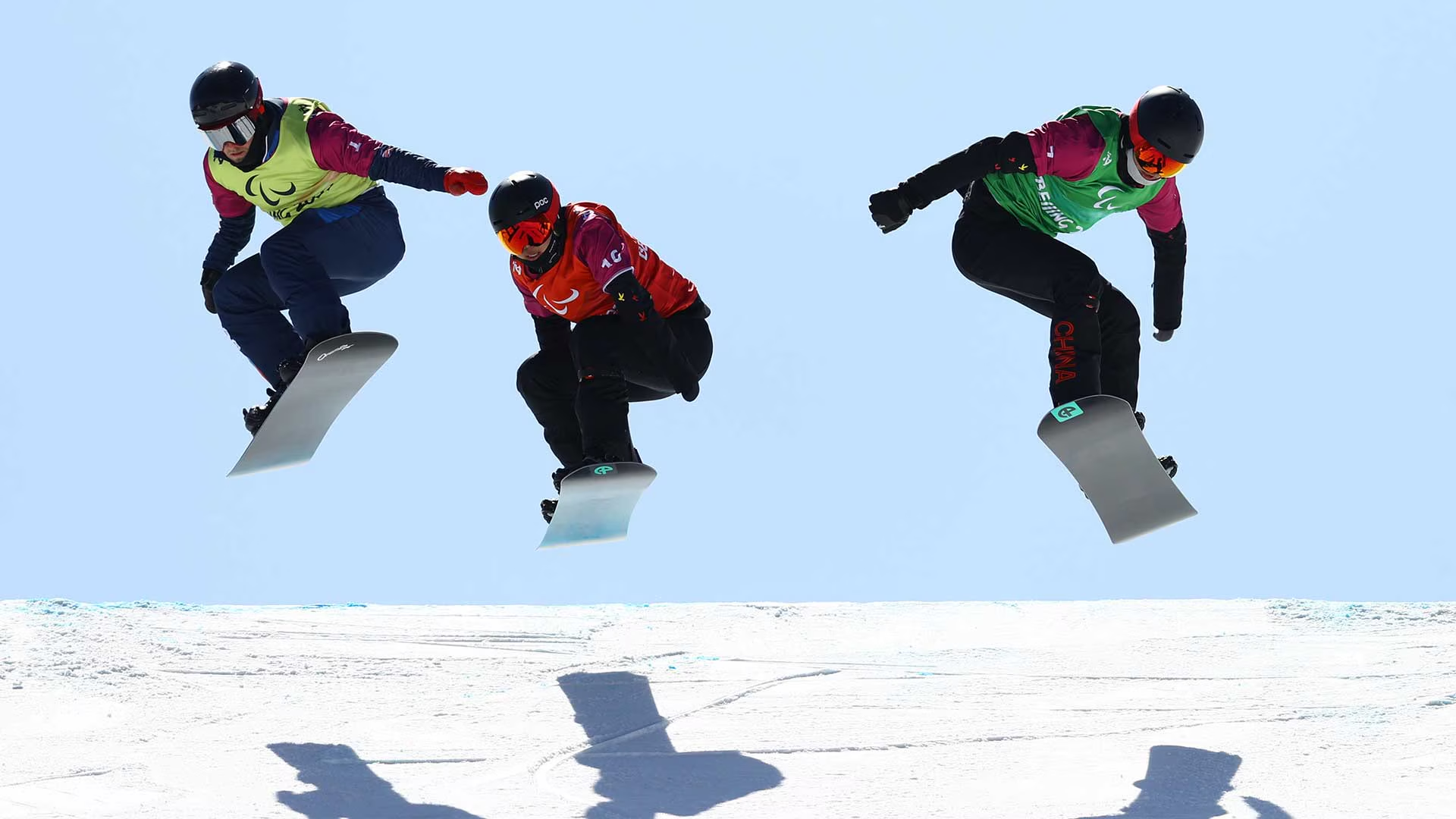
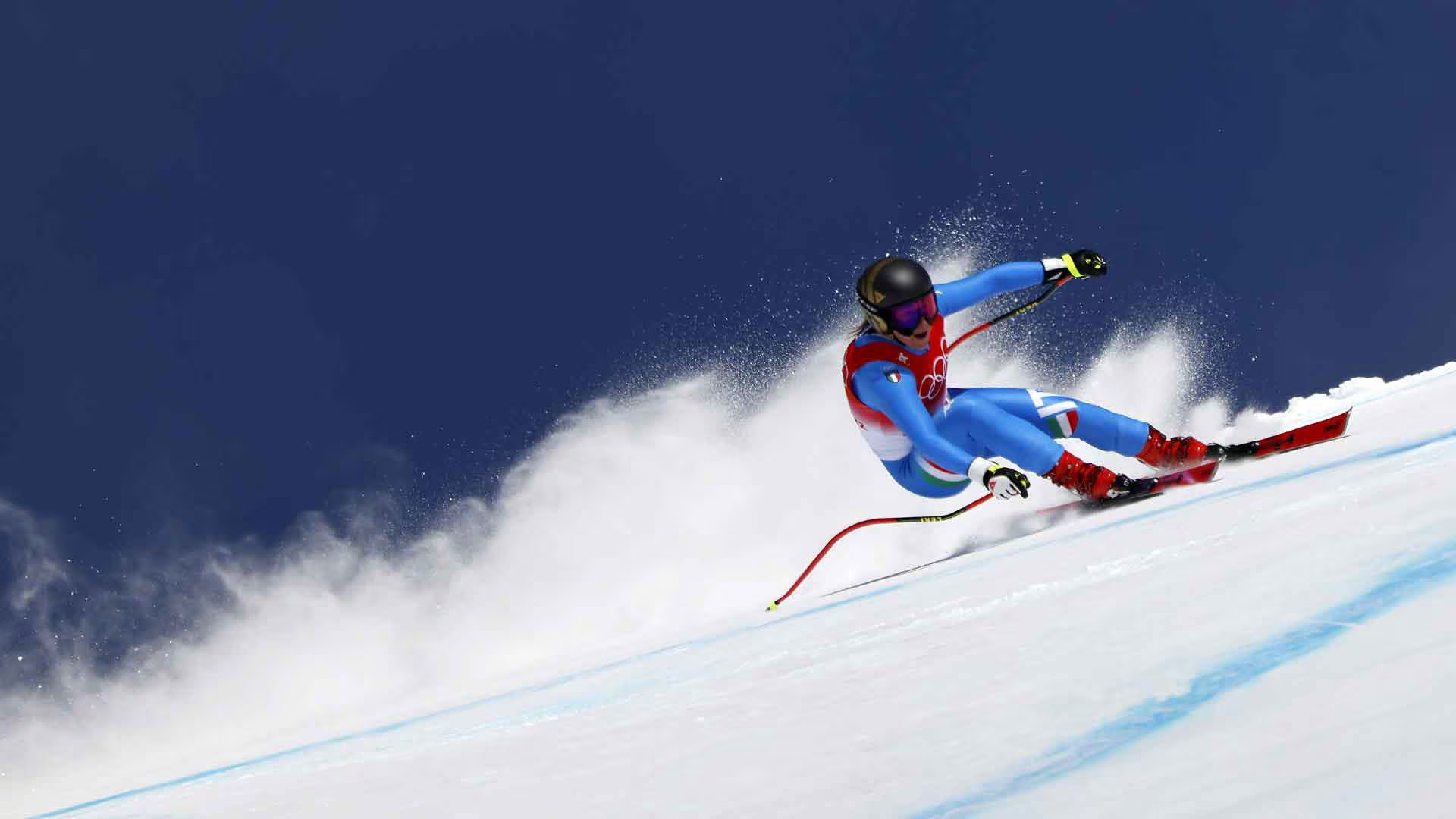
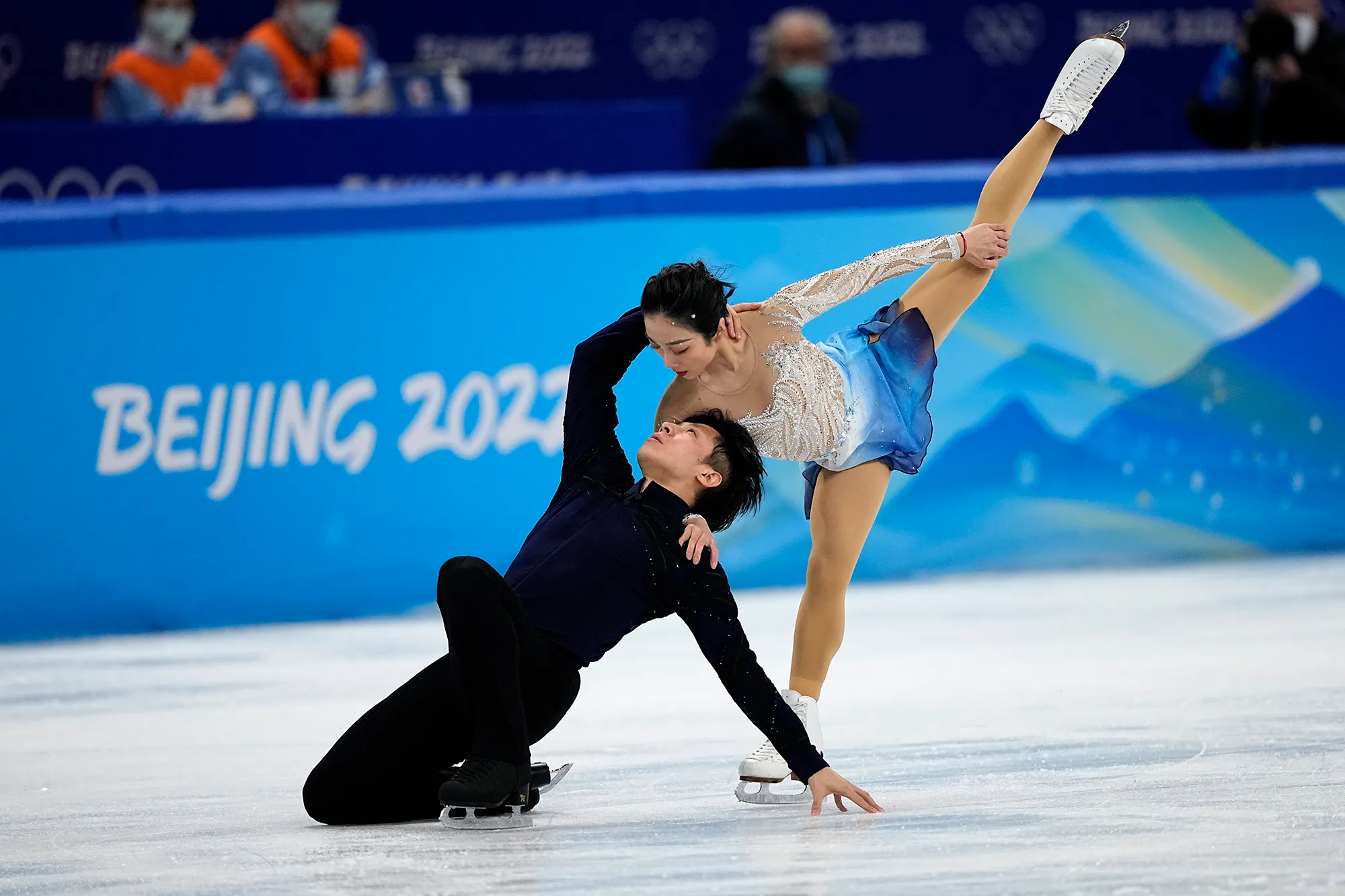
The Winter Olympics 2022, held in Beijing from February 4 to February 20, brought together top athletes from around the globe, showcasing exceptional winter sports talents. With the backdrop of the ongoing pandemic, the event was significant not only for its athletic achievements but also for its implications on international relations and global health management. This edition of the Winter Olympics was the first to be conducted under strict COVID-19 protocols, highlighting the resilience of sports in challenging times.
Key Highlights
Throughout the two weeks, the Winter Olympics featured 109 medal events across 15 disciplines, with more than 2,800 athletes participating. Norway emerged as the dominant nation, topping the medal table with 37 total medals, including 16 golds, while Germany and Canada followed closely. A standout performance came from the Norwegian cross-country skier Johannes Høsflot Klæbo, who won three gold medals, solidifying his reputation as a winter sports legend.
Significant Moments
Among the many memorable moments was the emotional victory of Eileen Gu, the American-born freestyle skier who competed for China. Gu became a symbol of cross-cultural representation, winning gold in both the big air and halfpipe events, capturing the hearts of fans around the world. Additionally, the debut of women’s monobob saw pilot Elana Meyers Taylor bringing home a silver medal for Team USA, marking a historic moment for women’s bobsledding.
International Relations and Controversies
The 2022 Winter Olympics were not without controversy. The event faced scrutiny over China’s human rights record, prompting protests and calls for boycotts from various countries. The diplomatic tensions raised questions about the role of sports in international relations and how political issues can overshadow athletic achievements. Nonetheless, many nations chose to participate, aiming to promote unity and peace through sports.
Conclusion
The Winter Olympics 2022 succeeded in delivering memorable performances and fostering a spirit of competition, despite the backdrop of global challenges. As viewers reflect on these games, the emphasis on sportsmanship and unity underscores the positive role that sports can play in times of division. Looking forward, the lessons learned from this edition, particularly concerning health protocols and international relationships, will undoubtedly influence future Olympic Games and global sporting events.