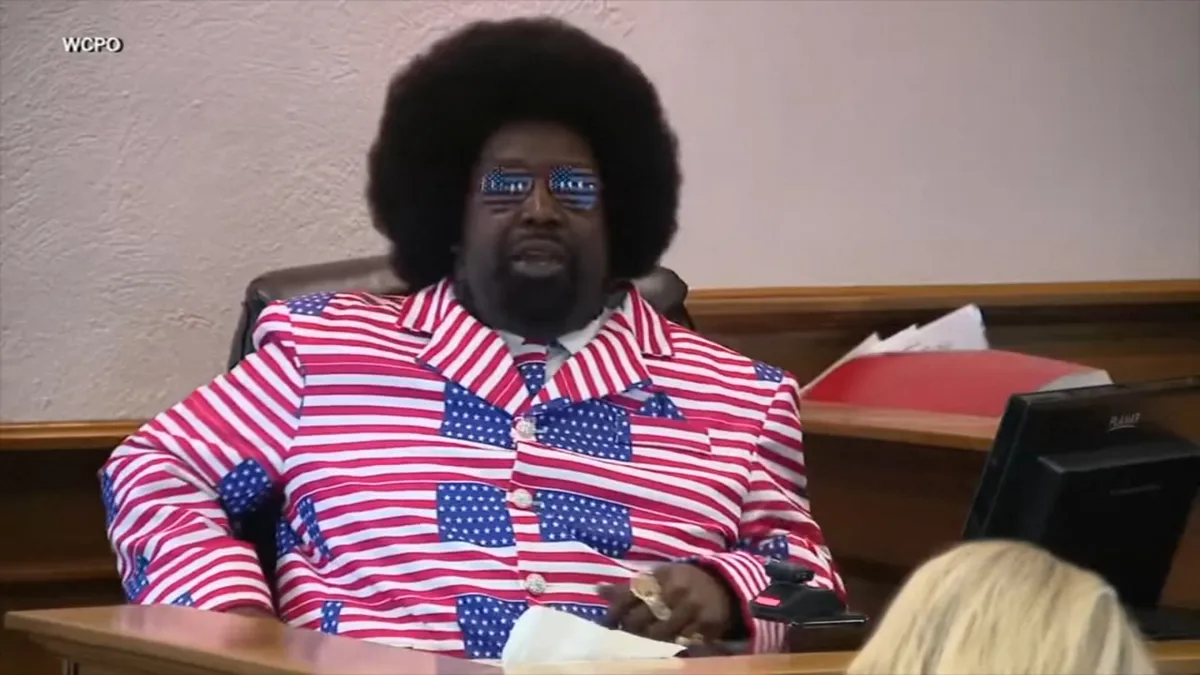
If they hadn’t wrongly raided my house, there would be no lawsuit, I would not know their names, they wouldn’t be on my home surveillance system, and there would be no songs … my money would still be intact. These words from Afroman, the musician whose real name is Joseph Foreman, encapsulate the essence of a lawsuit that has drawn significant attention. The trial, which began on March 17, 2026, in Adams County, Ohio, centers around the use of deputies’ likenesses in Afroman’s music video, “Lemon Pound Cake.” The video features footage from a police raid on his home that took place on August 21, 2022.
The lawsuit has been filed by the Adams County Sheriff’s deputies, who claim that Afroman’s use of their images without permission has caused them humiliation and privacy harms. Afroman’s defense hinges on the assertion that the raid itself was wrongful and damaging, stating, The police’s entry caused significant damage. He alleges that during the raid, $400 was stolen, a claim that the Adams County Sheriff’s Office later investigated and found to be a miscount rather than an actual theft.
Afroman’s testimony during the trial revealed his perspective on the events that transpired. He stated, How do you miscount $400? This question highlights the discrepancies surrounding the raid and the subsequent claims made by the deputies. Afroman further elaborated that the footage he used in his video was a direct response to the damage inflicted on his property, asserting that he felt compelled to document the incident.
As the trial progresses, it is becoming clear that the case is not just about Afroman’s actions but also about the broader implications for creator rights and police privacy. The legal arguments presented will likely set important precedents regarding how law enforcement footage can be utilized by artists and the extent of privacy protections for police officers.
Afroman has also capitalized on the incident by selling merchandise that features the likenesses of the deputies involved in the raid. This aspect of the case raises further questions about the boundaries of artistic expression and the commercialization of personal images without consent.
With the trial ongoing for two days as of March 18, 2026, observers are keenly watching how the court will balance the rights of creators against the privacy rights of law enforcement personnel. The outcome could have lasting effects on how similar cases are handled in the future.
As the proceedings continue, Afroman’s statements and the deputies’ claims will be scrutinized closely. The trial is significant as it may clarify the legal standards regarding the use of law enforcement footage by creators, potentially reshaping the landscape of artistic freedom in relation to public figures.
Details remain unconfirmed regarding the next steps in the trial, but the implications of this case are likely to resonate beyond the courtroom, influencing discussions about privacy, consent, and the rights of artists in the digital age.