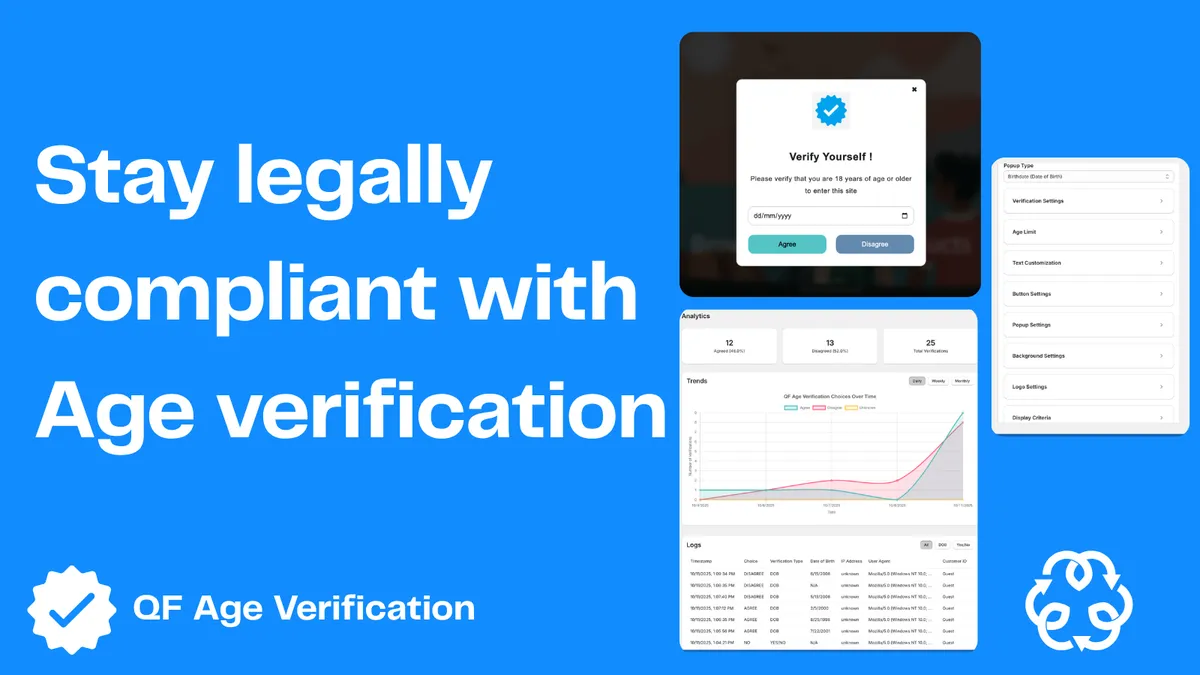
“Adults will have to confirm that they’re 18 or older to use certain services or features, or take certain actions on their account,” stated an Apple representative regarding the new age verification requirements following the iOS 26.4 update.
Beginning March 25, 2026, Apple iPhone users in the UK will need to verify their age to access specific services. This requirement is part of a broader initiative aimed at enhancing online safety for children, a move that has been welcomed by Ofcom.
Ofcom described the age verification measure as a “real win for children and families,” highlighting its significance in the ongoing effort to protect minors in the digital space. Users can confirm their age by providing a credit card or scanning an ID, while existing Apple account holders may have their age verified through linked payment methods.
Without successful age confirmation, Apple will implement child safety protections on user accounts, ensuring that minors are shielded from potentially harmful content and services.
This update marks a significant step as Apple’s age verification is believed to be a first for a European market. The UK is set to be among the initial countries to receive these enhanced child safety protections on devices.
However, the rollout has not been without controversy. Some users have expressed frustration, with one Reddit user commenting, “Myself and everyone I know (wife, friends, family, colleagues, etc) are doing everything to bypass these overreaching age checks.”
In addition to age verification, the iOS 26.4 update introduces features like AI-generated playlists and a concert discovery tool. Yet, Apple clarified that a message suggesting age verification was needed to download apps was displayed in error.
It is important to note that the Online Safety Act does not extend its coverage to Apple’s App Store and operating system, raising questions about the regulatory landscape surrounding these changes.
The UK government is also conducting a trial involving 300 teens to compare their experiences with social app usage restrictions, further emphasizing the focus on youth safety in the digital environment.
As these developments unfold, the implications for user privacy and the effectiveness of the age verification process remain to be seen.