Who is involved
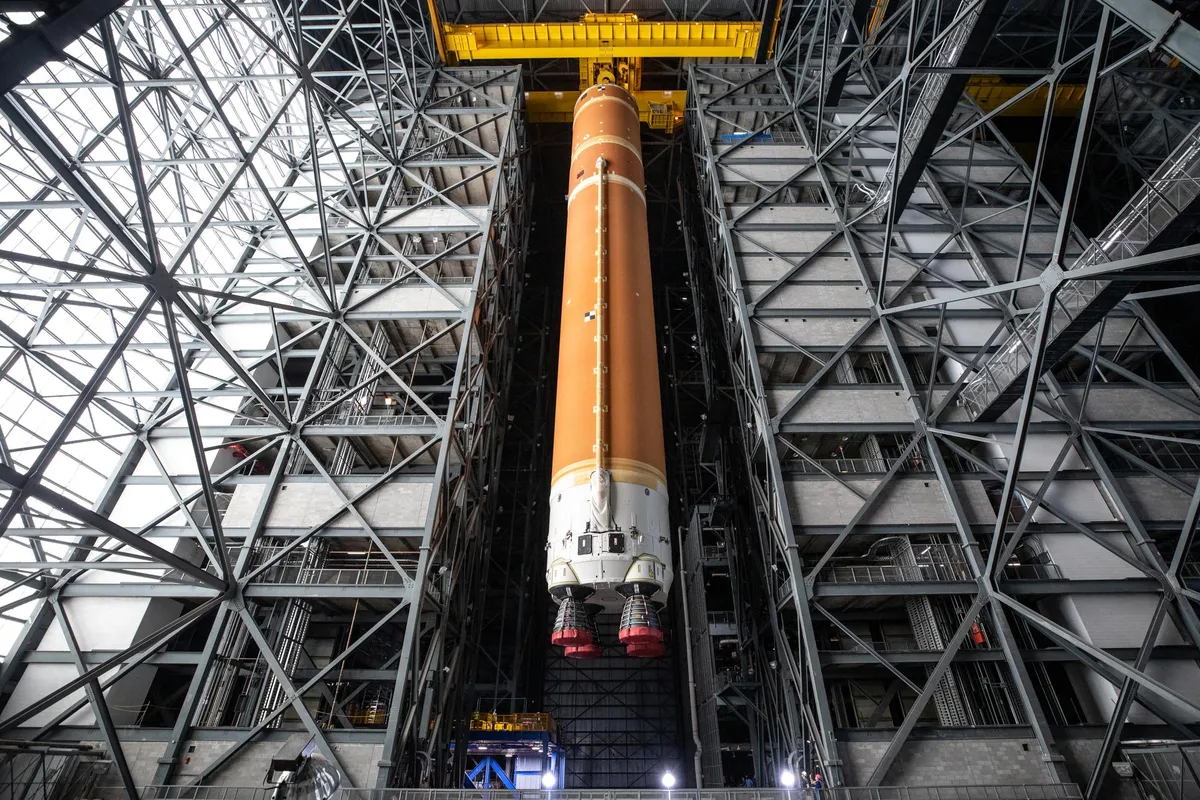
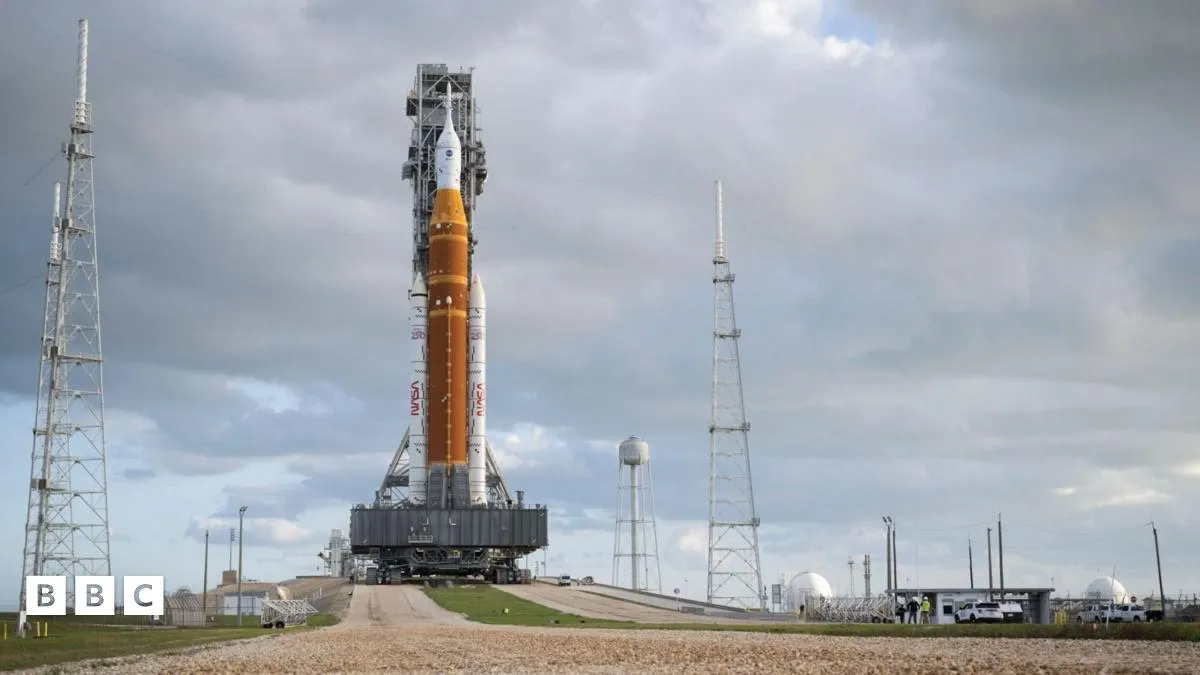
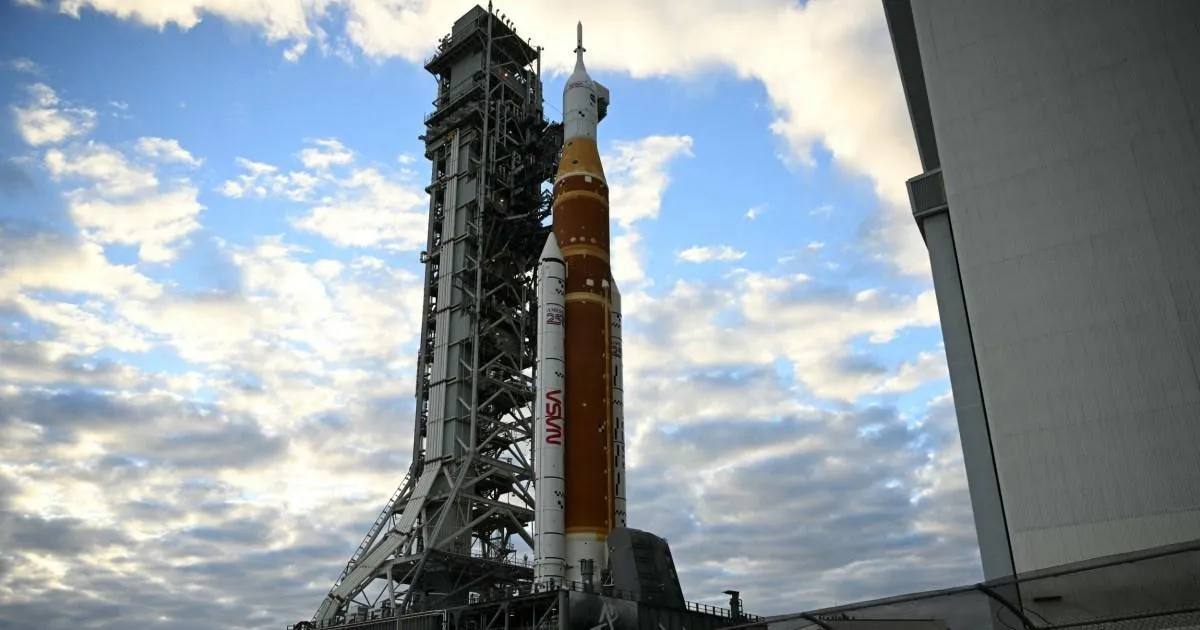
Before the upcoming Artemis rocket launch, expectations were high for NASA’s Artemis program, which aims to return humans to the moon and eventually to Mars. The Artemis II mission, set to launch on April 1, 2026, will be the first crewed mission to leave Low Earth Orbit in 53 years. This mission is particularly significant as it follows the Artemis I mission, which successfully traveled 1.3 million miles around the moon without a crew.
However, the Artemis II mission has faced challenges, having been delayed twice due to technical issues. Originally anticipated to launch earlier, the mission’s timeline has been pushed back, leading to concerns about the program’s overall schedule and budget. The decision to delay was met with mixed reactions, as some experts emphasized the importance of ensuring safety and reliability in space missions.
The Artemis II crew consists of four astronauts: Reid Wiseman, Victor Glover, Christina Koch, and Canadian astronaut Jeremy Hansen. Their mission will last 10 days, involving a lap around the moon before splashing down in the Pacific Ocean. This marks a return to crewed lunar exploration, a feat not achieved since the Apollo 17 mission in 1972.
The anticipation surrounding the launch is palpable, with an estimated 400,000 visitors expected to flock to Florida’s Space Coast for the event. The Artemis launch coincides with spring break, contributing to many sold-out accommodations in the area. As Libby Jackson, a space expert, noted, “NASA are just taking their time, and they have to get everything right, and it will launch when it’s ready.” This sentiment reflects the cautious approach NASA is taking in ensuring the mission’s success.
As the launch date approaches, the excitement builds not only among space enthusiasts but also within the scientific community. The Artemis II mission is seen as a critical step in NASA’s broader goals of lunar exploration and eventual human missions to Mars. The program has faced numerous hurdles since its inception, including budget cuts and technical challenges, but the upcoming launch represents a pivotal moment in its trajectory.
In summary, the Artemis rocket launch is a landmark event for NASA and the future of space exploration. With the Artemis II mission, NASA aims to demonstrate its capabilities for deep space travel, setting the stage for future missions, including Artemis III, which is expected to launch in 2027. The successful execution of Artemis II will not only advance human spaceflight but also inspire a new generation of explorers.
Details remain unconfirmed regarding the final preparations for the launch, but the excitement and anticipation continue to grow as the date approaches. The Artemis program represents a renewed commitment to human exploration beyond Earth, and the upcoming launch is a testament to that vision.