Key moments
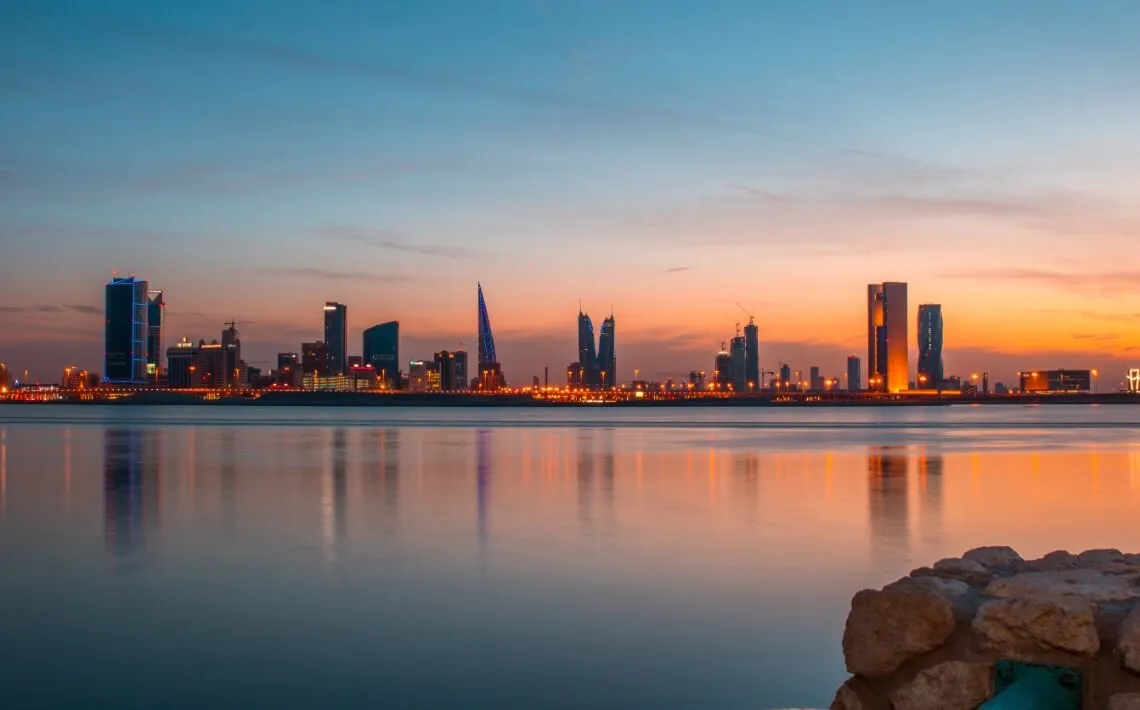
Bahrain has recently solidified its position as a vital military hub in the Gulf, particularly through the establishment of the UK Naval Support Facility (UKNSF). This facility supports Royal Navy operations across the region, underscoring the UK’s commitment to maintaining a strong military presence in a strategically important area.
Between 2012 and 2024, the UK exported £252 million in military equipment to Bahrain, which includes significant sales such as the BAE-manufactured Royal Navy patrol vessel, HMS Clyde, delivered to the Bahraini navy in 2020. These transactions highlight the deepening military ties between the two nations, which have been characterized by arms sales and training of Bahraini forces.
The backdrop of these developments includes Bahrain’s proposal for a U.N. resolution aimed at ensuring military action to keep the Strait of Hormuz open. This waterway is crucial, as it facilitates the passage of approximately one-fifth of the global oil supply. However, the resolution is facing opposition from major powers, including China and Russia, complicating Bahrain’s diplomatic efforts.
Iran’s actions in the region have further heightened tensions. The country has effectively closed the Strait of Hormuz during ongoing conflicts, significantly impacting global oil tanker traffic. This situation has raised alarms among Gulf nations and their allies, prompting discussions about security and military readiness.
Historically, Bahrain has faced scrutiny regarding its human rights record. The use of UK-supplied tear gas against protesters during the 2011 uprisings resulted in four deaths and approximately 300 injuries, drawing criticism from various human rights organizations. Freedom House has described Bahrain as one of the Middle East’s most repressive states, reflecting the ongoing challenges within the kingdom.
In addition to military support, the UK has engaged in various contracts with Bahraini officials. Notably, Lieutenant General Sir Graeme Lamb received a £1.5 million contract in 2012 for a media campaign, indicating the UK’s multifaceted involvement in Bahrain’s internal and external affairs. Retired General Sir Nicholas Carter has also engaged with Bahraini officials on security matters, emphasizing the ongoing military collaboration.
Reactions to Bahrain’s military proposals and its relationship with the UK have varied. The UK government has emphasized Bahrain’s strategic importance in securing shipping lanes and freedom of navigation in a sensitive maritime area. Meanwhile, former U.S. President Donald Trump remarked that the U.S. could manage its interests in the region independently, suggesting a potential shift in the dynamics of international military support.
As Bahrain navigates its role in regional security and international relations, the implications of its military partnerships and proposals will continue to unfold. Details remain unconfirmed regarding the full impact of these developments on Bahrain’s future and its relationships with neighboring countries and global powers.