The Future of the BBC’s Funding
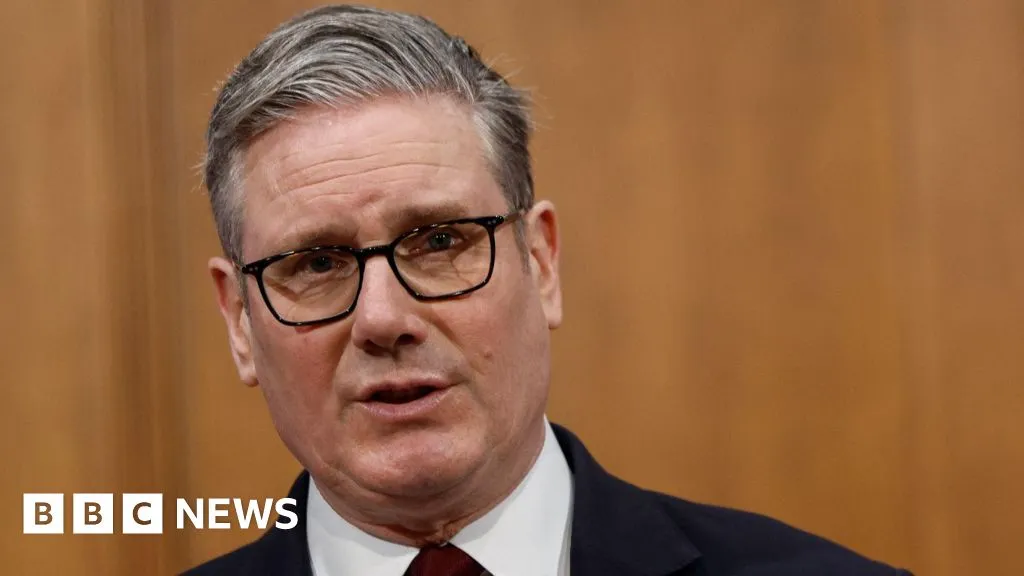
“The choice is clear: back the BBC or watch it decline, the status quo is not an option,” stated Tim Davie, the BBC’s director general, emphasizing the urgency of reforming the broadcaster’s funding model. The BBC is currently grappling with what it describes as ‘permanent and irreversible’ trends that threaten its survival without a major overhaul of its financial structure.
Despite the fact that 94% of people in the UK use the BBC each month, fewer than 80% of households actually pay the licence fee. This discrepancy has raised concerns within the organization, which warned that without reform, there would be a ‘tipping point’ where those who do pay the licence fee would begin to resent it. The current funding model, which has not adapted to changing audience behaviors, is increasingly seen as inadequate.
The BBC’s funding model was designed for a different era and is no longer effective in capturing universal contribution. The number of licence fees in force has fallen from 26.3 million three years ago to just 23.8 million today. This decline has significant financial implications, as rising levels of evasion and non-payment cost the BBC more than £1 billion last year. As the licence fee is set to rise to £180 in April, the urgency for a new funding strategy becomes even more pronounced.
In response to these challenges, the BBC is exploring alternatives to the traditional licence fee. Among the proposals is a household levy that could be collected through council tax, which would aim to ensure a more stable and equitable funding model. Additionally, the BBC has suggested that viewers of streaming services like YouTube and Netflix should also contribute to the licence fee, reflecting the changing landscape of media consumption.
Furthermore, the BBC has proposed innovative ideas such as allowing viewers to participate in decision-making through ‘citizen assemblies’. This approach aims to engage the public more directly in the governance of the BBC, potentially fostering a greater sense of ownership and responsibility among viewers.
As the BBC navigates these complex issues, it remains clear that the current funding model leaves a structural imbalance that undermines the sustainability of a universal public service. The organization has acknowledged that reform is required to ensure universal funding that is sufficient, sustainable, and fair for all. The precise set of rules that require households to be licensed no longer reflect typical audience behavior among many households in the UK.
Looking ahead, the BBC’s leadership is expected to continue advocating for these reforms, as they seek to secure the future of the broadcaster in an increasingly competitive media landscape. The next steps will likely involve discussions with policymakers and stakeholders to shape a new funding framework that meets the needs of both the BBC and its audience.