What is the current state of Britain’s gas supply?
As of March 8, 2026, Britain is facing a significant crisis in its gas supply, with reports indicating that the country has only two days of fossil gas stored. This alarming situation has arisen due to a sharp decline in energy reserves, which has left the nation vulnerable to fluctuations in gas prices and supply disruptions.
How low are Britain’s gas reserves?
According to figures from National Gas, Great Britain had 6,999 gigawatt hours (GWh) of fossil gas stored, a stark decrease from 9,105 GWh a year earlier. This reduction is critical, as the maximum capacity for gas storage in the UK is 12 days, meaning the current reserves are insufficient to meet national demand for more than a day and a half.
What factors contributed to this situation?
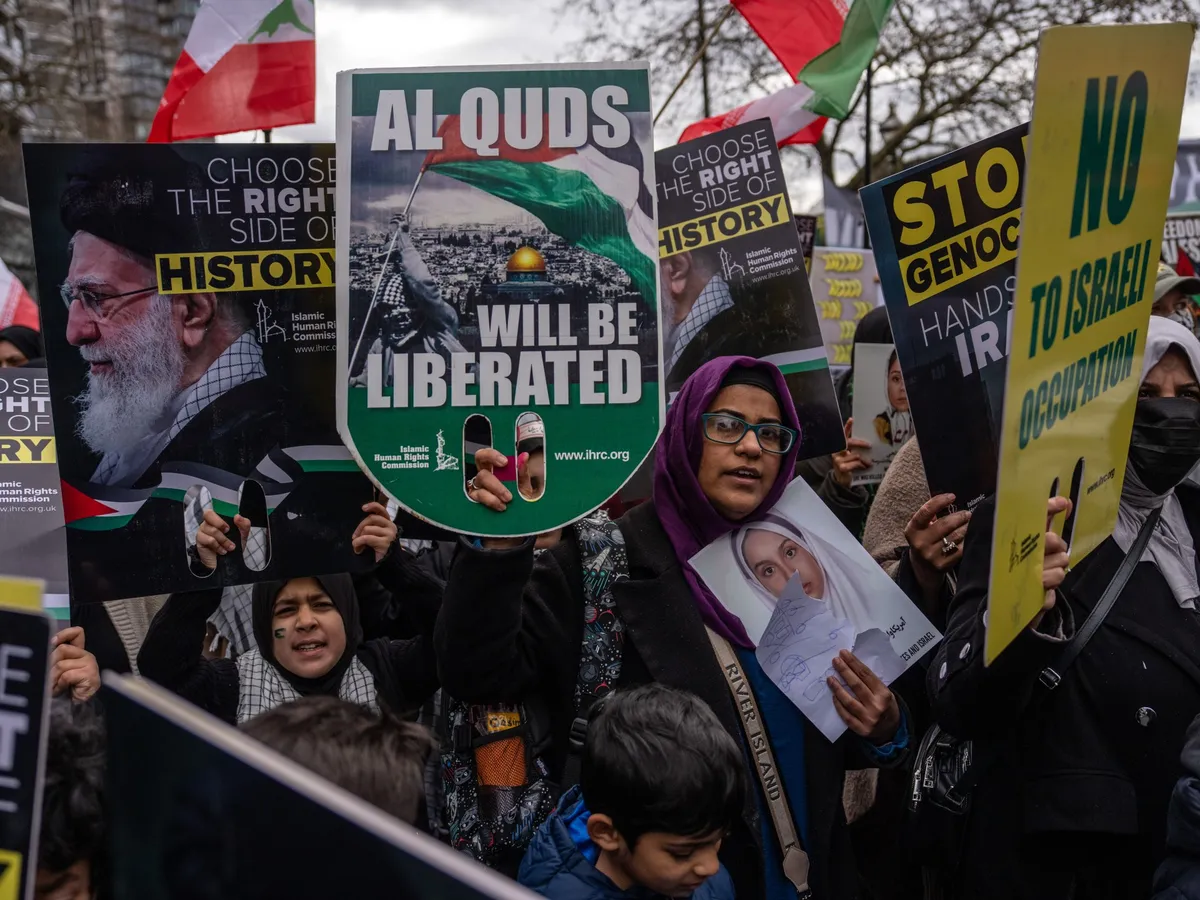
The decline in Britain’s gas storage capacity can be attributed to a combination of changes in energy policy and a lack of infrastructure investment in recent years. Compounding this issue are geopolitical tensions, particularly the ongoing conflict in the Middle East. Since the onset of intense airstrikes on Iran by the US and Israel, gas prices in the UK have surged dramatically. Month-ahead gas prices rose to 137 pence per therm, up from 78.5 pence per therm before the conflict escalated.
How does Britain’s situation compare to Europe?
In contrast to Britain, many European countries maintain significantly larger gas reserves, often storing several weeks’ worth of supply. This disparity raises concerns about Britain’s energy security, especially as the nation’s natural gas reserves have fallen to critically low levels. The current storage facilities are holding just 6,700 GWh, which is barely enough to meet the nation’s demand.
What are the implications of low gas reserves?
The implications of Britain’s dwindling gas reserves are far-reaching. Experts warn that the average consumer will face not only higher energy prices but also increased mortgage rates and rising costs across a broad range of goods and services due to supply chain disruptions. Natasha Fielding, head of gas pricing at Argus Media, noted that the price of gas in the UK has increased more than in almost any other European country, highlighting the severity of the situation.
What is the current status of global gas shipments?
The geopolitical landscape has also affected global gas shipments, particularly through the Strait of Hormuz, which is crucial for transporting oil and natural gas. Reports indicate that the Strait has effectively been shut down to large volumes of shipping, with hundreds of tankers gathering at either end of the shipping route rather than attempting the crossing. This disruption poses further risks to Britain’s gas supply, as approximately 20 percent of global oil and natural gas shipments pass through this critical chokepoint.
What are the government’s responses?
In response to the crisis, a spokesperson for the Department for Energy Security and Net Zero stated, “It is categorically untrue that the UK only has access to two days of gas supply.” Meanwhile, a spokesperson for National Gas claimed that Britain’s gas storage levels are broadly in line with expectations for this time of year and are comparable to levels from the previous year. However, these reassurances may not alleviate the concerns of consumers facing rising costs and potential shortages.
What comes next?
As the situation develops, the focus will remain on how the UK government and energy authorities plan to address the critical gas supply issues. The uncertainties surrounding global shipping routes and the ongoing geopolitical tensions in the Middle East add layers of complexity to an already precarious energy landscape. Details remain unconfirmed regarding the long-term strategies that will be implemented to stabilize Britain’s gas supply and ensure energy security for its citizens.