The wider picture
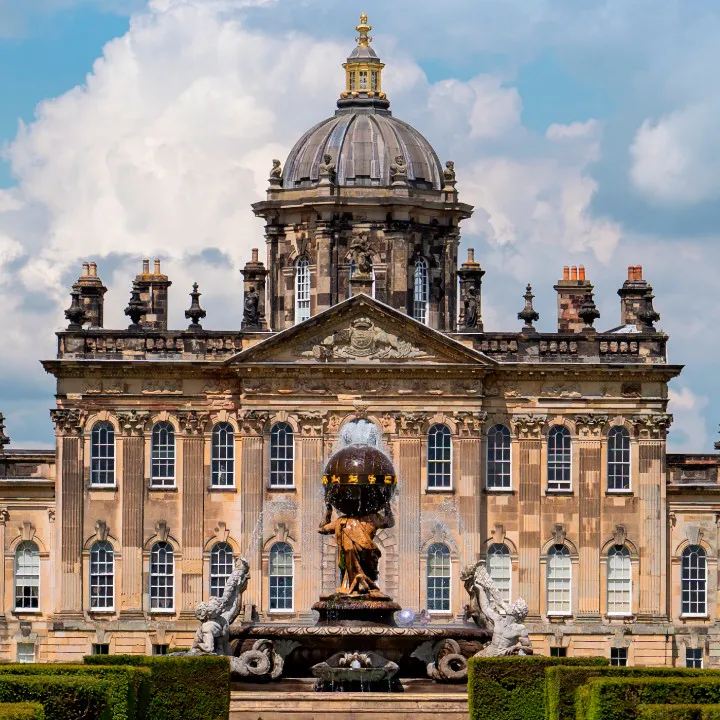
Castle Howard, a renowned architectural masterpiece located in North Yorkshire, England, has launched an exhibition titled ‘Staging the Baroque: Vanbrugh at Castle Howard’ on March 26, 2026. This exhibition marks a significant milestone, commemorating 300 years since the death of its creator, Sir John Vanbrugh, who passed away on the same date in 1726. Vanbrugh, an influential architect and playwright, is celebrated for his contributions to British architecture during the English Baroque period.
The exhibition features a variety of artifacts, including original letters, 18th-century editions of Vanbrugh’s plays, and engravings from Vitruvius Britannicus. A large-scale model of the Castle Howard landscape is also on display, allowing visitors to appreciate the intricate relationship between the architecture and its surrounding environment. The Tapestry Drawing Room, recently renovated after suffering a fire in the 1940s, adds to the exhibition’s allure, showcasing the resilience and ongoing legacy of Vanbrugh’s work.
As part of the exhibition, renowned artist Es Devlin is set to unveil a new installation in the Temple of the Four Winds in June 2026. This addition is part of a broader program celebrating Vanbrugh’s tercentenary year, which includes talks, performances, and artist responses aimed at engaging the public with Vanbrugh’s artistic vision.
Nicholas and Victoria Howard, descendants of the Howard family, expressed their sentiments regarding the exhibition, stating, “It was Vanbrugh’s vision that brought Castle Howard to life, and now the House has the honour of celebrating its creator.” Roz Barr, a key figure in the exhibition’s organization, emphasized the importance of recognizing the beauty and significance of Vanbrugh’s work, noting, “This exhibition celebrates the life and works of John Vanbrugh and the beauty and significance of his work at Castle Howard.”
Roz Barr further elaborated on the exhibition’s goals, stating, “I hope the exhibition will inspire visitors to explore the grounds and appreciate the impact of the house, with its grand elevations and imposing dome, against a backdrop of trees, water, sculpture, and other buildings such as his Temple of the Four Winds and more distant monuments.” This sentiment echoes the growing recognition of Vanbrugh’s originality and influence in contemporary discussions about architecture.
Sir Charles Saumarez Smith, a prominent figure in the art and architecture community, remarked on the changing perception of Vanbrugh’s work, saying, “Five years ago, I thought no-one was interested in Vanbrugh. Now, people are recognising his originality.” This shift highlights a renewed interest in the architectural and cultural significance of Vanbrugh’s creations, particularly Castle Howard, which is considered one of his most poetic and enchanting works.
As the exhibition unfolds, it is expected to draw significant attention from both local and international visitors, eager to engage with the rich history and artistic legacy of Sir John Vanbrugh. The celebration of his life and works at Castle Howard not only honors the past but also invites future generations to explore and appreciate the profound impact of his architectural vision.