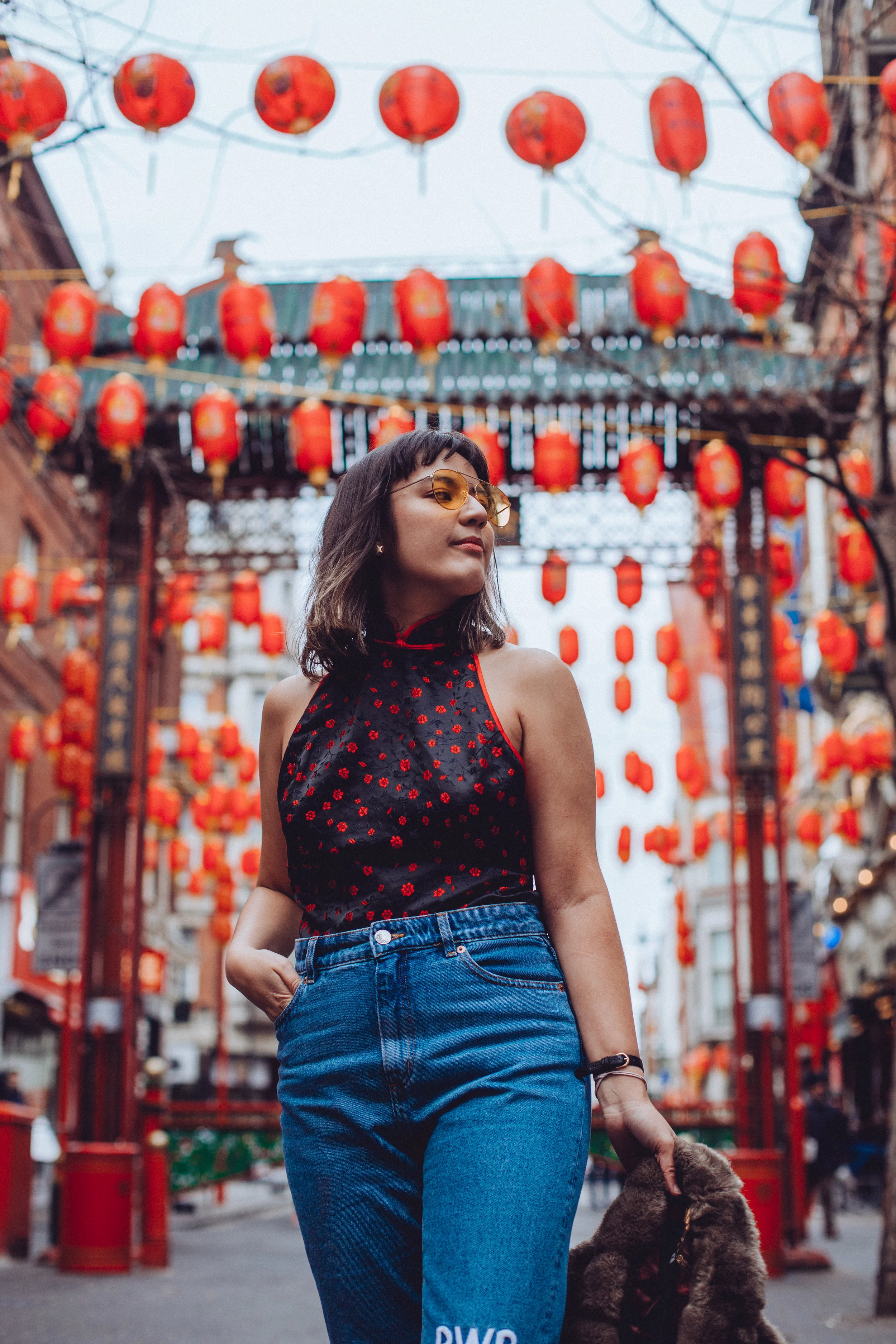
Introduction to Kung Hei Fat Choi
Kung Hei Fat Choi, a phrase translating to ‘Wishing You Prosperity,’ is a traditional greeting used during the Lunar New Year festivities, particularly among Chinese communities. This celebration marks the beginning of the Chinese lunar calendar and signifies a time of renewal, family reunions, and cultural traditions. With millions celebrating worldwide, it’s vital to understand its cultural significance and the activities surrounding it.
Historical Context and Cultural Significance
The origins of Kung Hei Fat Choi date back over 4,000 years, with the festival primarily aimed at honouring deities and ancestors. The Lunar New Year, also known as the Spring Festival, typically falls between January 21 and February 20, driven by the lunar calendar. Each year is associated with an animal from the Chinese zodiac, influencing the customs and practices for that year.
Celebrations Around the World
The celebration of Kung Hei Fat Choi varies widely across different regions. In Hong Kong, for example, the streets are adorned with vibrant decorations, and the city hosts a spectacular parade featuring lion dances, dragon dances, and fireworks. In contrast, Singapore’s celebrations include cultural performances and food festivals that attract both locals and tourists alike.
In the United Kingdom, the arrival of the Lunar New Year promotes events in major cities such as London and Manchester, where parades and cultural workshops bring communities together. Special attention is given to traditional foods, which play a vital role during this period as families gather to enjoy meals symbolising good fortune, wealth, and health.
Customs and Traditions
Traditional customs associated with Kung Hei Fat Choi include cleaning the house to sweep away bad luck, decorating with red lanterns and couplets, and preparing meals with symbolic significance. For instance, dumplings, often shaped like ancient gold ingots, are consumed to attract wealth, while fish represents surplus and abundance. The practice of giving red envelopes containing money, known as ‘lai see’ or ‘hongbao’, is also commonplace, signifying good wishes and blessings.
Conclusion
As the Lunar New Year approaches, the significance of Kung Hei Fat Choi continues to grow. It serves as a reminder of cultural heritage, familial ties, and hopes for prosperity in the coming year. In an increasingly interconnected world, celebrations transcend geographical boundaries, inviting everyone to partake in this rich tradition. With community events and gatherings planned for this year’s festivities, it offers a unique opportunity for individuals to learn more about and engage with diverse cultural practices.