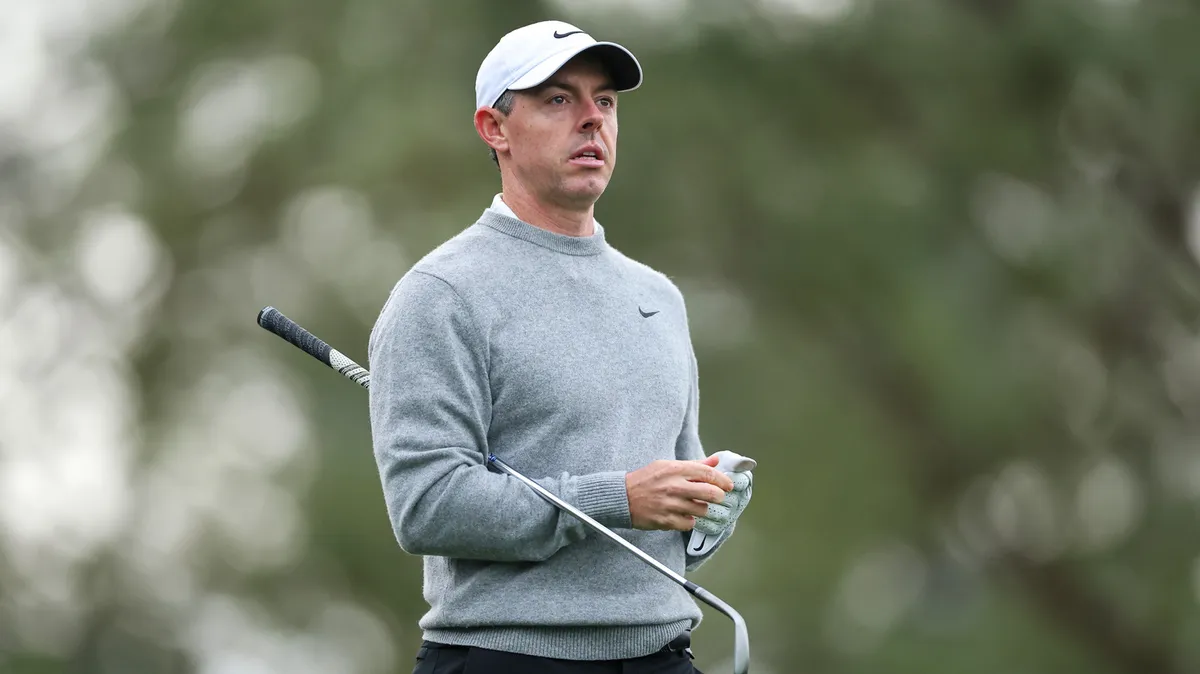
Danny Willett shocked the world when he won The Masters on his second visit in 2016. Prior to this moment, Willett was relatively unknown on the global golf stage, with expectations for his performance at the prestigious tournament being modest at best. His victory was not only a personal triumph but also a significant moment for English golf, as he became the first Englishman to win The Masters since Nick Faldo in 1996.
The decisive moment came when Willett capitalized on a dramatic collapse by Jordan Spieth, who led by five strokes after ten holes. Willett’s composed play allowed him to secure the green jacket, and he took home a substantial prize of $1.8 million. This victory catapulted Willett into the spotlight, raising expectations for his future performances and solidifying his place in golf history.
However, the immediate aftermath of his Masters win was not as successful as many had hoped. In 2017, as the defending champion, Willett missed the cut, a stark contrast to his previous triumph. This setback was indicative of the challenges he would face in maintaining the high level of performance expected of him. Since his Masters victory, Willett has only achieved three other notable victories, with the last one occurring five years ago, highlighting a significant drop in his competitive edge.
As the years progressed, the landscape of The Masters also began to change. The total prize money for the tournament is projected to reach $22.5 million in 2026, with the winner’s check increasing to $4.5 million. This evolution in prize money reflects the growing commercialization of golf and the increasing stakes for players. For Willett, this means that the pressure to perform is higher than ever, especially as he prepares for future tournaments.
Despite the challenges, Willett has shown resilience. He has only been cut twice in his last six attempts at The Masters, indicating that while he may not be consistently winning, he remains competitive at this elite level. This resilience is crucial as he navigates the pressures of the sport and the expectations that come with being a former champion.
Experts in the field note that while Willett’s early career was marked by a meteoric rise, the subsequent years have been a test of his ability to adapt and overcome adversity. The shift in his performance trajectory serves as a reminder of the unpredictable nature of professional sports, where even the most celebrated athletes can face significant challenges.
As Willett continues his career, the golf community watches closely. His journey since winning The Masters serves as a case study in the highs and lows of professional athletics, illustrating that success can be fleeting and that the path forward is often fraught with obstacles. With the upcoming Masters tournaments, Willett’s performance will be closely scrutinized, as both fans and analysts seek to understand the next chapter in his career.