Previously, easyJet had a more lenient approach regarding cabin baggage, allowing certain sharp objects like sewing needles. However, the airline has now implemented a strict ban on knitting needles, categorizing them as sharp objects that could pose a safety risk.
The decisive moment came when easyJet clarified its rules, stating, “Sharp objects or items with pointed edges that could cause injury are not allowed in cabin baggage.” This change is part of a broader effort to enhance passenger safety and streamline security procedures.
In addition to the ban on knitting needles, easyJet has specified that while scissors with rounded ends and blades shorter than 6cm are permitted, knives with blades not exceeding 6cm can still be taken on board. This nuanced approach aims to balance safety with passenger convenience.
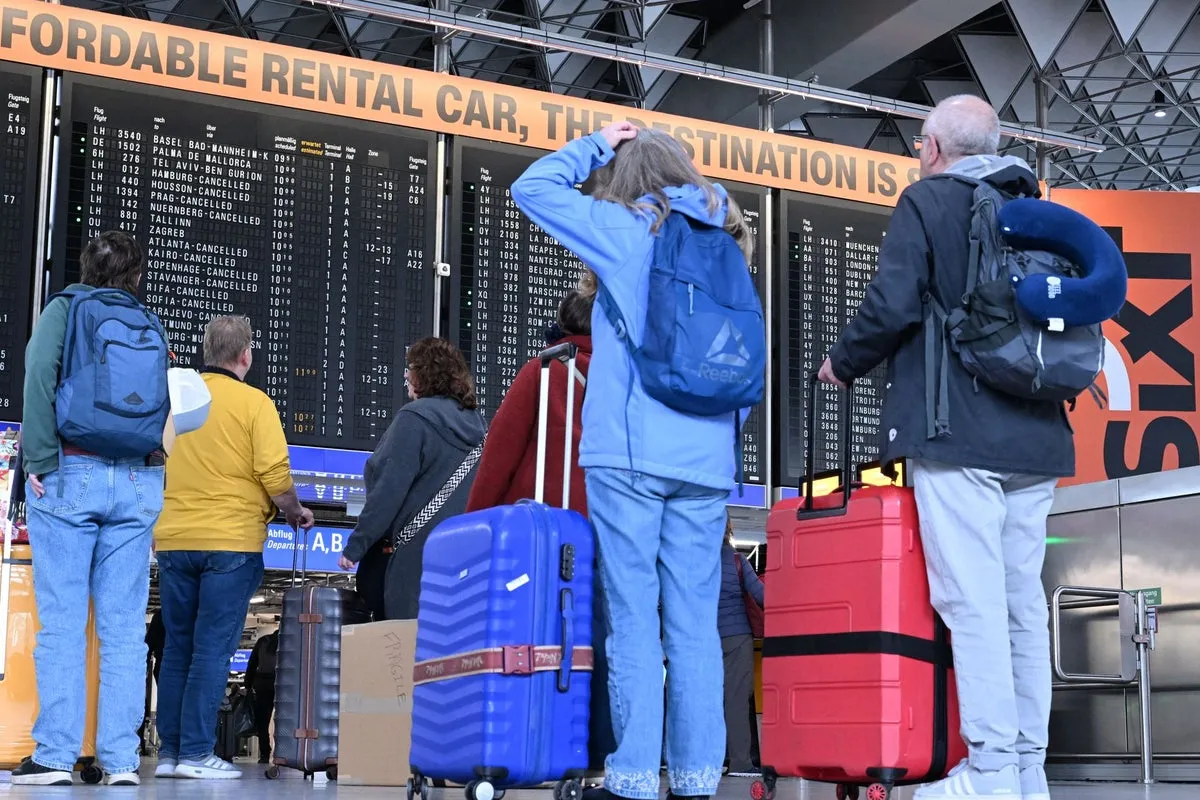
On the operational front, easyJet has faced challenges, including a recent incident where a passenger reported a 14-hour delay due to a technical issue. In such cases, passengers are entitled to various compensations, including food and drink vouchers after two hours of delay and potential financial compensation after three hours.
Furthermore, if a delay extends beyond five hours, passengers have the option to change their flights or cancel for a full refund. This policy adjustment reflects easyJet’s commitment to customer service, even amid operational difficulties.
Experts suggest that these changes in baggage policy and compensation guidelines are crucial for maintaining customer trust, especially in light of increasing flight delays. As one easyJet representative noted, “Unfortunately, many factors come together that can lead to our flights being delayed. This may be for safety reasons and required regulatory approvals.”
Overall, the recent updates to easyJet’s cabin baggage policy and its handling of delays illustrate the airline’s efforts to adapt to evolving safety standards while addressing customer needs. As travel continues to rebound, these measures may play a significant role in shaping passenger experiences.