Impact of Weather Forecasts on Edinburgh Attractions
Misleading weather forecasts are costing Edinburgh Zoo and Highland Wildlife Park up to £40,000 a day. The Royal Zoological Society of Scotland has raised concerns that inaccurate predictions can lead to significant drops in visitor numbers, with reports indicating a potential 30% decline on days marked by unfavorable forecasts.
Visitor behavior is heavily influenced by weather predictions, as many people decide their plans based on a quick glance at their phones. Ben Supple from the Royal Zoological Society stated, “Many people decide how they will spend their day based on the weather and a quick glance at their phone.” Unfortunately, he noted, this can create the misleading impression that the whole day will be wet and deter potential visitors.
During school holidays, misleading forecasts can reduce visitor numbers by as much as 2,000 people, further impacting revenue. The charity claims that a single rain cloud icon can cost thousands in lost income, particularly during peak visiting times.
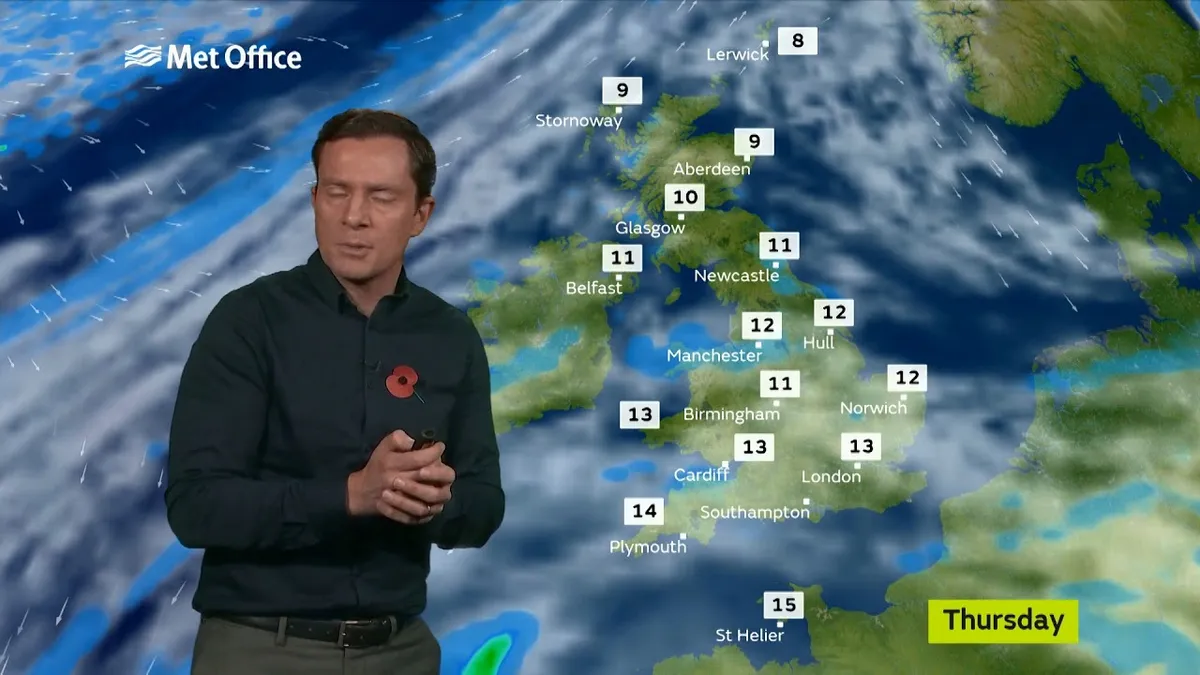
In response to these challenges, more than 80 visitor attractions have signed a letter to the Met Office, urging a review of how weather forecasts are presented. Suggestions include splitting weather icons into day and night conditions to provide a clearer picture for potential visitors.
Michael Golding, another spokesperson, emphasized the importance of accurate weather information for decision-making, especially for families and those with additional needs who often plan their outings in advance. He stated, “Accurate weather information is essential for decision-making, particularly for families, older visitors and people with additional needs who often have to plan further ahead.”
The criticism of weather forecasts affecting visitor attractions is not new, with similar complaints made in 2009 by other attractions. This ongoing issue highlights the significant role that accurate weather predictions play in the tourism sector.
As Edinburgh Zoo and Highland Wildlife Park continue to navigate these challenges, they remain hopeful for improvements in weather forecast presentations that could help mitigate the financial impact of misleading information.